






The Media Foundation for West Africa (MFWA) has called on journalists across the sub-region to upgrade their verification techniques and embrace digital investigative tools to combat the growing threat of deepfakes and AI-driven misinformation.
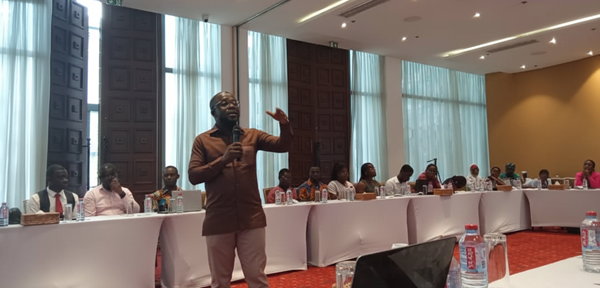
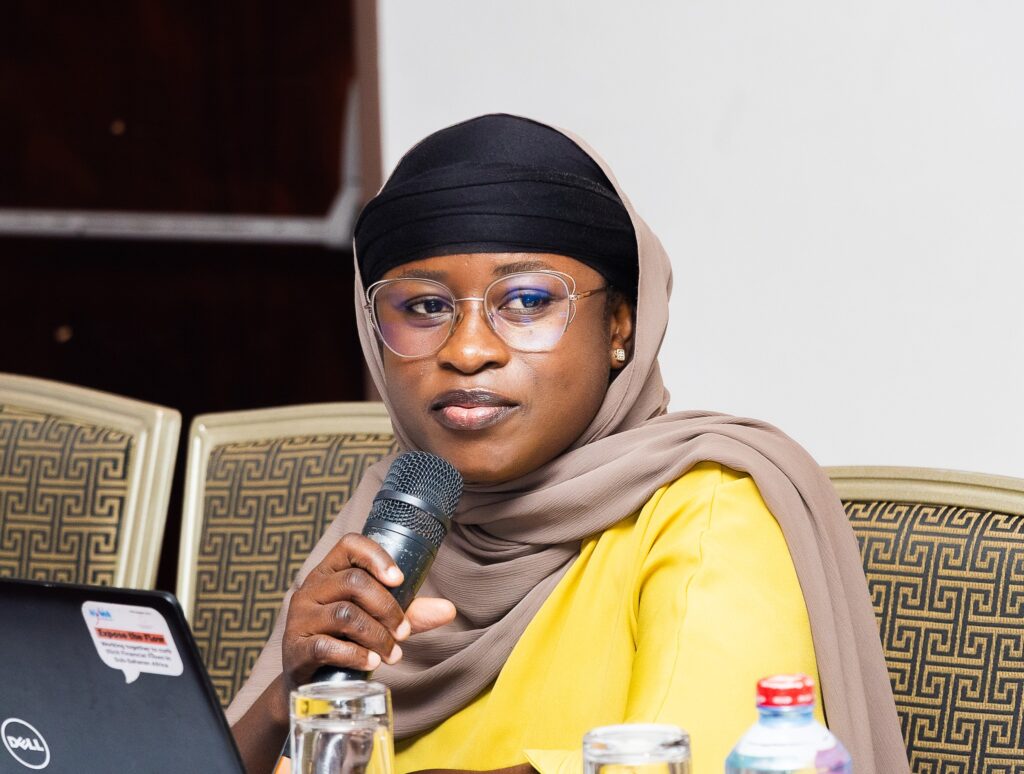
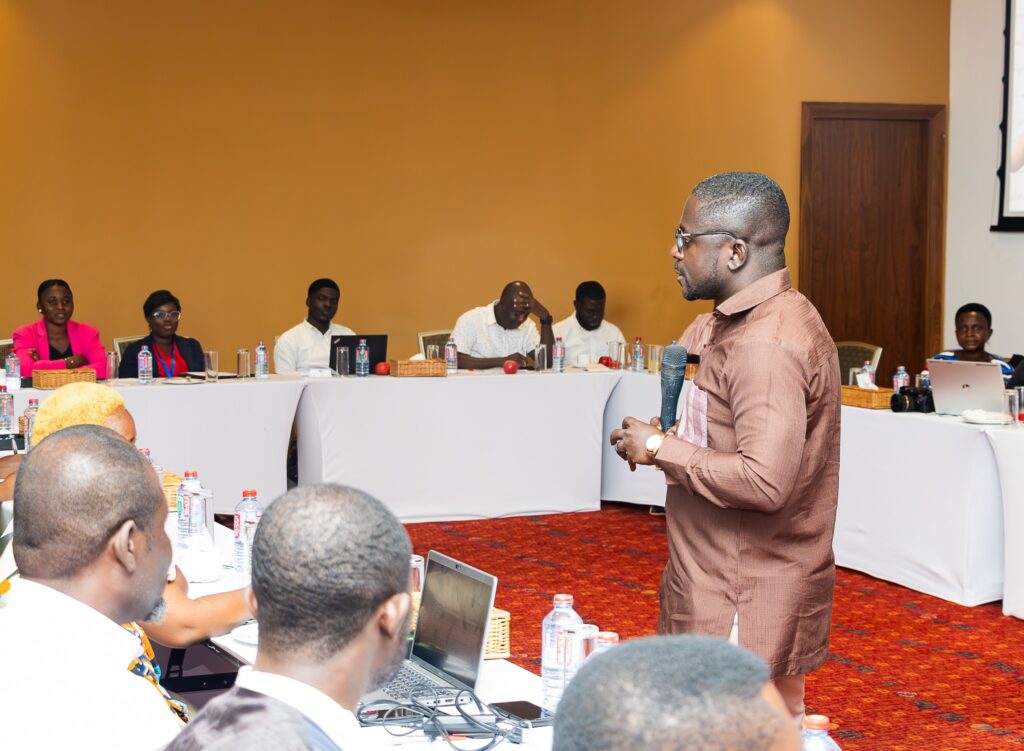
Addressing participants at the opening session of a workshop on information integrity held today at the Marriott Hotel in Accra-Ghana, Kwaku Krobea Asante, Manager of the Independent Journalism Project at MFWA, warned that “fact-checking has evolved past the usual physical tracing to digital scrutiny,” stressing that journalists can no longer rely solely on visual judgment.
He urged media professionals to adopt Open-Source Intelligence (OSINT) tools as a standard part of their workflow, emphasising that artificial intelligence while powerful for good is increasingly being weaponised by bad actors.


The initiative forms part of a broader West African training programme jointly supported by ECOWAS and GIZ.
Organisers have already held similar sessions in Gambia and Sierra Leone and will move to Togo, Benin, Cape Verde, and Senegal in the coming weeks.
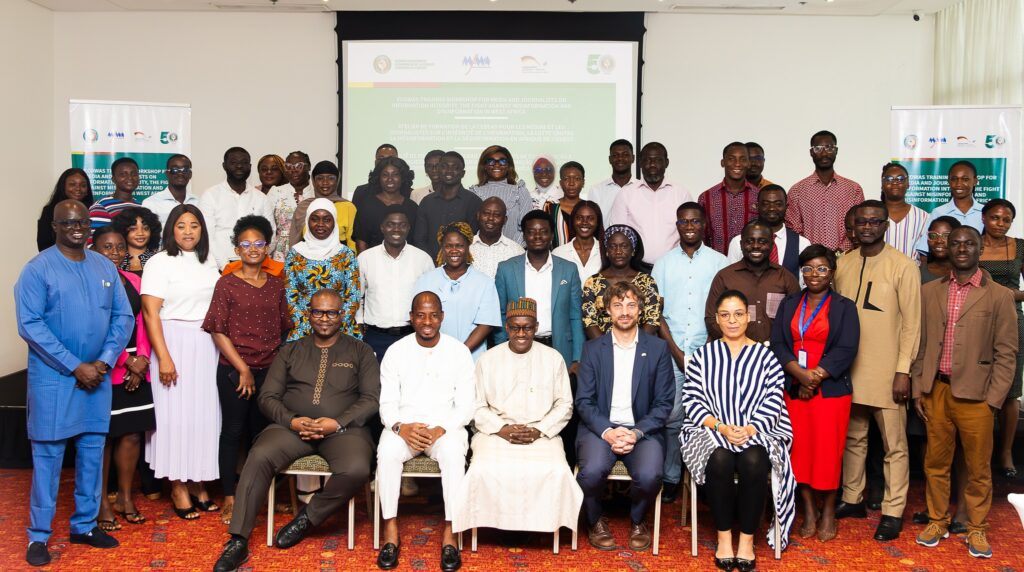
In total, 315 journalists from state-owned broadcasters, private media houses, newspapers, and digital platforms are expected to benefit.
Training sessions cover advanced fact-checking methods, AI tools for detecting manipulated content, OSINT applications for source verification, and digital security protocols.
Deepfake technology has already been used in Ghana to clone the likeness of prominent figures, including President John Dramani Mahama, former Vice President Dr Mahamudu Bawumia, and former Minister of Information and MP for Ofoase-Ayirebi, Kojo Oppong Nkrumah.

Fabricated videos featuring them in compromising scenarios were widely circulated online before being debunked. According to Mr. Asante, such incidents underline the urgency of rebuilding rigorous verification systems within newsrooms.
“Fact-checking used to be an intrinsic tool in news gathering,” he lamented, adding that the practice has “drizzled out” at a time when it is needed most.
The MFWA maintains that without digital vigilance, misinformation will continue to erode public trust and distort democratic discourse across the region.
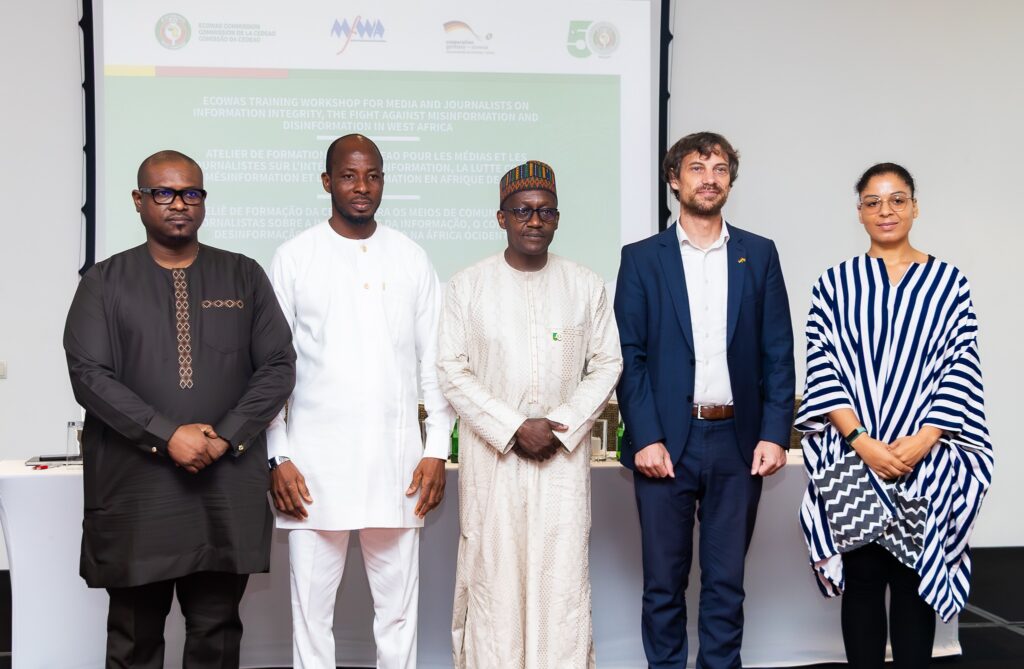
Gracing the event was Mohammed Lawan Gana, ECOWAS Resident Representative to Ghana, Dr. Kojo Impraim, Director of Media for Peace and Social Cohesion at MFWA, and Daniel Boehme, Deputy Head of Development Cooperation at the German Embassy.
By Ruth Esi Amfua Sekyi – [email protected]