






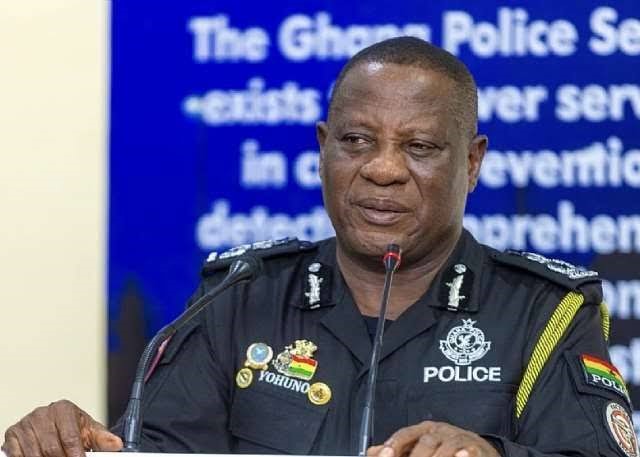
The Inspector-General of Police (IGP), Christian Tetteh Yohunu, has appealed to Christian and Muslim leaders to help ease growing religious tensions and discourage their followers from resorting to violence or vigilante justice.
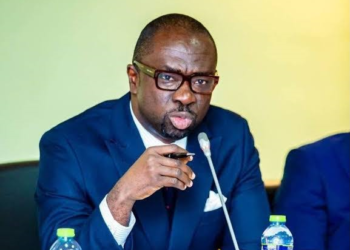
Speaking at an interfaith dialogue with religious leaders in Accra on Friday, August 14, the IGP said recent incidents involving alleged religious insults, calls for extrajudicial killings and an assault on a handcuffed Christian cleric had created serious concerns for Ghana’s peace and religious tolerance.
He said the Ghana Police Service had responded by arresting persons linked to the separate incidents, adding that investigations were ongoing.
According to Mr Yohunu, an Islamic cleric accused of calling for extrajudicial killings, a Christian cleric accused of making blasphemous remarks, and an individual captured on video allegedly assaulting a handcuffed pastor had all been arrested and were currently on bail.
The IGP stressed that while the police would continue to enforce the law, lasting peace required the active involvement of religious leaders.
“Violence will not fix what words have broken, and vigilante retribution will never replace the rule of law in Ghana,” he said.
He urged Muslim and Christian leaders to use their influence to calm their congregations and prevent isolated incidents from developing into wider religious conflict.
“Law enforcement can restrain hands, but only faith, leadership and conscience can heal hearts,” Mr Yohunu added.
Appeal to Muslim community
The IGP acknowledged the deep reverence Muslims have for the Prophet Muhammad and said he understood the anger that could arise from remarks considered offensive to the Prophet.
However, he cautioned Muslims against responding to such provocations through mob action or other forms of violence.
He cited Islamic teachings that encourage believers to respond to hostility with wisdom and peaceful conduct, while also pointing to the reported patience and forgiveness of the Prophet Muhammad in the face of persecution and insults.
“To call for the extrajudicial execution of a fellow citizen or to assault a handcuffed suspect does not honour the dignity of the Holy Prophet,” he said.
Mr Yohunu urged Muslim leaders to reinforce these principles among their followers and encourage them to rely on the law when they believe an offence has been committed.
Call for responsible Christian leadership
Turning to the Christian community, the IGP said constitutional protection of freedom of expression should not be interpreted as a licence to deliberately provoke religious hatred or insult beliefs held sacred by others.
He encouraged Christian leaders to promote restraint, patience, kindness and peaceful coexistence while warning against rhetoric that could deepen tensions between the two major religious communities.
“Provoking religious hatred, heaping insults at what millions hold holy and stoking interfaith hostility does not reflect the character of Christ,” he said.
The IGP stressed that religious freedom must go hand in hand with respect for the dignity and beliefs of other citizens.
He also reminded the gathering that freedom of religion and expression comes with responsibilities, particularly where speech risks encouraging religious hatred or violence.
IGP outlines three commitments
Mr Yohunu called on religious leaders to make three key commitments to help restore calm.
First, he urged them to make de-escalation and restraint central to their sermons and public messages, particularly as tensions remain heightened.
Second, he called for greater visible cooperation between Christian and Muslim leaders through joint statements, public engagements, shared activities and other initiatives that demonstrate religious unity.


Finally, he urged religious leaders to rebuild confidence in Ghana’s justice system, especially among young people, and discourage them from taking matters into their own hands.
He warned that vigilante justice, online harassment and physical attacks could worsen tensions and undermine Ghana’s reputation as a peaceful country.
The IGP noted that Christians and Muslims have historically lived and worked together as neighbours, classmates, colleagues, traders and members of the same communities.
He cautioned that if religious tensions were allowed to escalate unchecked, the consequences could extend to schools, markets, communities and places of worship.
“Ghana has been spared this tragedy not because we are immune to disagreement, but because generations before us chose dialogue over destruction and brotherhood over bitterness,” he said.
Mr Yohunu expressed hope that the interfaith meeting would mark a turning point in the recent tensions and lead to renewed efforts by religious leaders to safeguard Ghana’s peace.
He called on Christians and Muslims to look beyond recent provocations and work together to preserve Ghana as “a beacon of light, tolerance and justice for the world.”
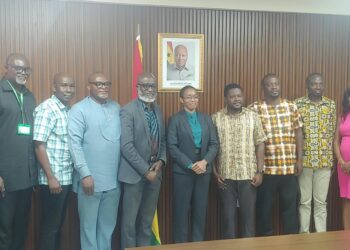
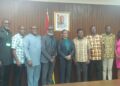
The meeting was attended by representatives of the National Chief Imam, Ghana Muslim Mission, Ghana Catholic Bishops’ Conference, Christian Council of Ghana, Pentecostal and Charismatic Council, National Peace Council and other Christian and Muslim bodies.