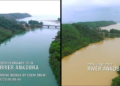








The Water Resources Commission has highlighted cultural and natural attachments to ancestral lands as one of the main obstacles preventing communities from relocating from flood-prone areas during the annual Bagre Dam spillage.
Dr. Mawuli Lumor explained that despite the risks posed by recurring floods, many residents are reluctant to leave because of deep-rooted ties to their homes and farmlands.
Speaking to ABC News GH, he stressed that human nature plays a significant role in this resistance, as people prefer to remain in the areas where they have lived and farmed for generations.
He observed that these attachments make it extremely difficult to convince families to move permanently, even when they face annual devastation from floodwaters. “It takes a lot of time and energy to be able to do that,” Dr. Lumor emphasized.
He further noted that farmers are among the worst affected during the spillage, as their farmlands and crops are often destroyed by floods. To mitigate the impact, he suggested adopting climate-resilient agricultural practices such as cultivating crops that are less vulnerable to flooding.
“Regarding the effects on farmers, we have to find a way to live with it. The best is to look at crops to plant during these situations where flooding will not destroy,” he said.
Dr. Lumor also commended the National Disaster Management Organisation (NADMO) for its continuous role in sensitising communities about the dangers of staying in flood-prone areas.


He explained that officials have been on the ground providing timely information and guidance to residents. However, despite these efforts, many communities continue to remain in high-risk zones because of their cultural ties and sense of belonging to their lands.
He stressed that while relocation remains a long-term solution, immediate interventions such as improved education, community engagement, and alternative livelihood support must be prioritised. According to him, only a combined effort involving government, traditional leaders, and local communities can address the recurring challenge of displacement and loss caused by the Bagre Dam spillage.