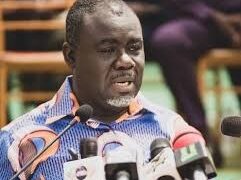







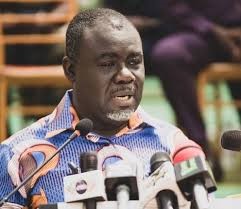
The General Secretary of the Ghana Road Transport Coordinating Council (GRTCC), Emmanuel Ohene – Yeboah has admitted that the council lacks the legal authority to sanction commercial drivers who continue to charge unapproved fares, a situation he says is crippling efforts to bring discipline to the transport sector.
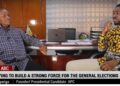
Speaking in an interview with Abena Mante on ABC In The Morning, Mr. Yeboah said although transport unions attempt to maintain order, their leadership operates voluntarily and lacks the legal backing needed to enforce discipline.
“I don’t have the law on my side to be able to sanction anybody,” he noted.
He explained that even when disciplinary measures are attempted, drivers evade sanctions by simply switching unions. “If I sanction from even Union 1, they can go to Union 2. Nothing stops you from leaving my union and nothing stops you from joining another… so the sanction regime is not really enforceable.” he added
He stressed that government intervention is crucial if the sector is to be sanitized. Commenting on a recent incident in which soldiers reportedly confronted drivers charging illegal fares, Mr. Yeboah admitted he did not support the military’s actions but understood the frustration.
“I didn’t agree with them to do that, but I don’t think they were too far from right, because sometimes you need to push some sense into these people to do what is right,” he said.


Touching on the financial constraints transport operators face, the General Secretary appealed for government-backed loan guarantees to ease their burden. He argued that operators are often forced to take loans at exorbitant interest rates, which increases pressure and influences their fare decisions.
“If government guarantees a loan for us… it makes our financial burden a little bit relaxed,” he said. “But when I have to hustle from my own sweat, go and get exorbitant loans, there is always pressure on me to repay, so there is no way I will be charitable to anybody I am going to offer the services with.”
Mr. Ohene – Yeboah emphasized that the transport system cannot be left entirely in the hands of private individuals, insisting that government participation is necessary for efficiency and fairness. He referenced the Ayalolo Bus System, noting that its proper development could have addressed many of the current challenges.
“What we can do is that the Ayalolo concept they introduced was something that, if they developed well, could have solved some of these problems,” he said.
He concluded by urging government to invest heavily in public transport by increasing the number of state-operated buses on the roads. “Until the government is able to flood the streets with buses, there is no way we get things the way we want,” he stressed.
The call adds to growing public concern over the arbitrary hikes in transport fares, particularly as the cost of living continues to rise ahead of the Christmas season.