






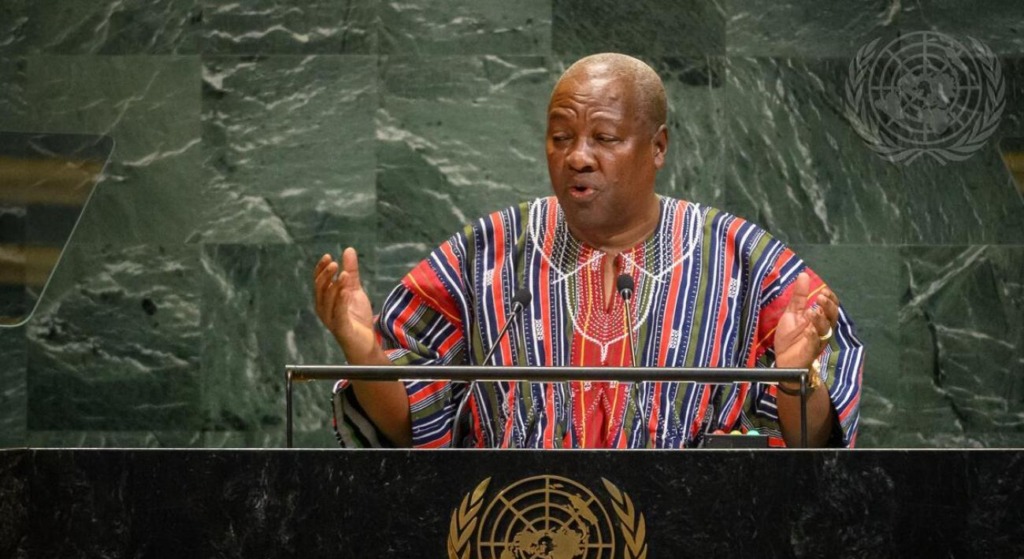
The United Nations General Assembly has adopted a landmark resolution describing the transatlantic slave trade as the “gravest crime against humanity,” following a proposal led by Ghana.
The resolution, which also calls for reparations, secured the backing of 123 member states during Wednesday’s vote. However, it faced opposition from three countries, including the United States and Israel, while 52 nations—among them the United Kingdom and several European Union members—abstained.
Although not legally binding, the resolution carries significant political weight and is expected to intensify global conversations around historical accountability and reparative justice.
According to Ghanaian authorities, the initiative was necessary to confront the enduring legacy of slavery, which saw at least 12.5 million Africans forcibly taken and sold between the 15th and 19th centuries. The country maintains that the long-term effects of the transatlantic slave trade continue to manifest in modern-day racial inequalities.
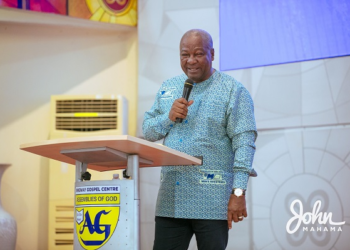
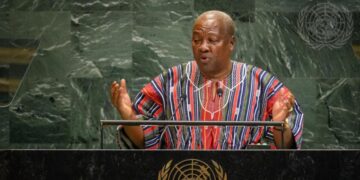
President John Dramani Mahama, a central figure behind the resolution, described its adoption as a step toward healing.


“The adoption of this resolution serves as a safeguard against forgetting … Let it be recorded that when history beckoned, we did what was right for the memory of the millions who suffered the indignity of slavery,” he said.
Ghana’s Foreign Affairs Minister, Samuel Okudzeto Ablakwa, underscored the broader implications of the move, noting that it could lay the groundwork for a structured reparations framework.
“History does not disappear when ignored, truth does not weaken when delayed, crime does not rot … and justice does not expire with time,” Ablakwa stated.
Addressing the Assembly, UN Secretary-General António Guterres called for stronger global commitment to addressing historical injustices, stressing that “far bolder action” is needed from member states.
The resolution urges countries to engage in dialogue on reparations, including issuing formal apologies, returning looted cultural artefacts, offering financial compensation, and ensuring guarantees against future injustices.
Momentum around reparations has been building in recent years, particularly after the African Union began efforts to develop a unified continental approach to the issue. However, resistance remains strong in parts of the West.
Some Western leaders argue that present-day governments should not be held accountable for historical crimes, warning that the resolution risks creating a hierarchy among crimes against humanity.
To date, the Netherlands stands as the only European nation to have issued a formal apology for its role in slavery.
Despite differing views, the resolution marks a significant moment in the global reckoning with the legacy of the transatlantic slave trade, placing renewed focus on justice, memory, and the ongoing pursuit of reparations.