






Ghana’s economy grew by 7.5% in January 2026, according to the latest report from the Ghana Statistical Service (GSS). While this represents strong performance at the start of the year, it is slightly lower than the 8.2% expansion recorded in January 2025.
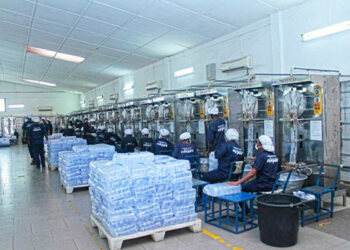
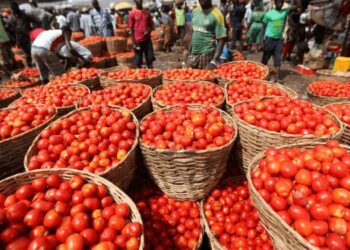
The GSS’s Monthly Indicator of Economic Growth (MIEG) highlights the services sector as the main engine driving the economy. Services expanded by 9.6% in January, contributing over half (54.3%) of total growth. The industrial sector followed, posting a 7.2% increase and accounting for 29% of overall growth. Meanwhile, agriculture recorded the slowest rise at 4.5%, contributing 14% to the economy.
Government Statistician Dr. Alhassan Iddrisu noted that the strong performance in services underscores its dominant role in Ghana’s economic landscape, reflecting a continued shift towards a service-driven growth model.
However, the data also reveal an uneven pattern of growth. Slower gains in agriculture raise concerns about productivity in a sector that remains crucial for employment and food security. Similarly, while industry has grown steadily, experts suggest more efforts are needed to enhance value addition and output.


Dr. Iddrisu emphasized that sustaining growth will require a balanced strategy, including boosting industrial capacity, improving agricultural efficiency, and harnessing the rapid expansion of services to strengthen overall economic resilience throughout 2026.
Check out GSS’s Monthly Indicator of Economic Growth