







The Institute for Education Studies (IFEST) has called on the government to reconsider the continuous payment of allowances to nursing and teacher trainees, arguing that the policy has become counterproductive.
This comes after the government released GH₵462 million to support allowances for 120,000 nursing students.
IFEST believes the policy, though well-intentioned, fails to address the critical issue of post-training unemployment.
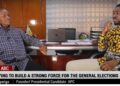
Deputy Director of IFEST, Patrick Apea-Danquah, said the original goal of the allowance was to attract more individuals into the nursing and teaching professions, but now the country is facing a new dilemma.


“The idea was to encourage more people to get into the nursing and teaching industry, and now we have enough of these professionals sitting idle at home,” he noted.
He stressed that the government must focus on creating jobs and improving infrastructure in the health and education sectors to absorb the growing number of graduates.
IFEST is urging policymakers to redirect resources toward expanding employment opportunities rather than spending heavily on training incentives without long-term plans.
According to the institute, while financial support during training is valuable, it should be part of a broader strategy to ensure that graduates are meaningfully employed and their skills fully utilised in national development.