






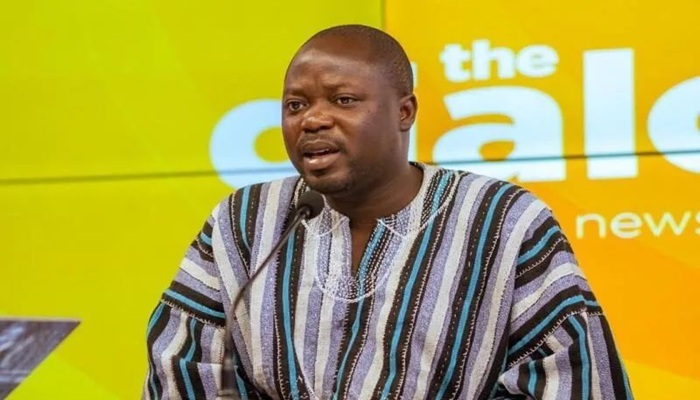
Executive Director of the Centre for Energy Market and Sustainable Environment (CEMSE), Benjamin Nsiah, has criticized the state of management within the Electricity Company of Ghana (ECG), warning that consumers cannot be made to continuously pay for inefficiencies that are the result of poor leadership and weak accountability.
His concerns come in the wake of steep tariff proposals by major players in the power sector.
The Volta River Authority (VRA) is seeking a 59% increase in its Bulk Generation Charge, the Northern Electricity Distribution Company (NEDCo) has proposed a 171% tariff adjustment, and ECG itself is demanding a staggering 224% rise in its Distribution Service Charge over the next four years.


Speaking to ABC News GH, Nsiah argues that such requests lack justification, given the persistent under-declaration of revenue and over-procurement practices within ECG.
He pointed out that the company’s inefficiencies have led to massive liabilities that eventually spill over to consumers, either through higher tariffs or government interventions.
“The end user has always been defraying the debt in the power sector,” Nsiah said, describing the situation as unfair and unsustainable.
He added that deliberate over-procurement and the appointment of underqualified personnel in critical departments have compounded the company’s financial woes.
According to him, the result has been negative equity—liabilities outweighing assets—driven by waste and poor management rather than consumer responsibility.
For households and businesses already battling rising costs, Nsiah’s remarks highlight a growing frustration: while utilities push for massive tariff hikes, consumers are left carrying the burden of mismanagement within Ghana’s power sector.