






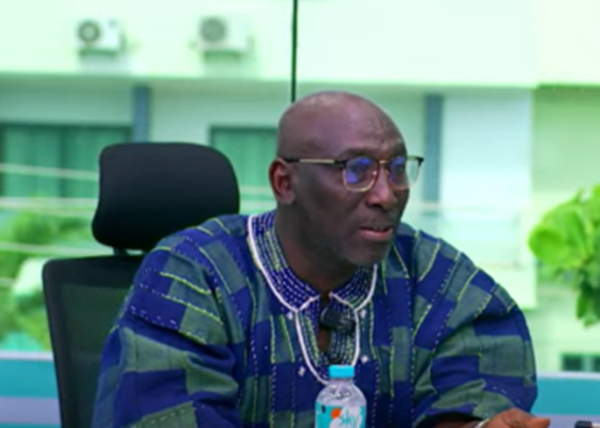
The debate over how to end the galamsey menace has intensified, with Abraham Amaliba stressing that the provision of alternative livelihoods remains a central part of curbing the practice and protecting Ghana’s water bodies.
Debunking submissions from Awula Serwah, Chief Executive Officer of the National Road Safety Authority, Amaliba explained that much progress had been made in restoring forests, and that the President’s call for alternative livelihood opportunities should not be dismissed.
“He talked about some forest have been recovered,” Amaliba in an interview with ABC News GH emphasized, noting that beyond forest recovery, government efforts to redirect galamsey operators into more sustainable jobs must be seen as a long-term solution.
Amaliba defended the President’s widely discussed statement during his media engagement, where he indicated the need to offer alternatives to those engaged in illegal mining.


According to Amaliba, the call had generated unnecessary criticism despite being rooted in the reality of “bread and butter issues” that push people into illegal mining.
“Because what attract them to the galamsey work is due to the bread and butter issues,” he said, justifying the President’s stance.
However, not everyone agrees with Amaliba’s position. Executive Director of Eco-Conscious Citizens, Awula Serwah, on the same panel on ‘ABC IN The Morning show’ expressed disappointment at what she describes as government’s slow response to the worsening state of water bodies across the country.
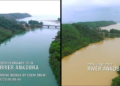
She lamented that eight months into the NDC administration, the turbidity of several rivers continues to rise alarmingly.
Serwah criticized the government for failing to declare a state of emergency over the crisis.
She argued that the President has backtracked on his earlier promises made while in opposition, accusing him of treating galamsey with “kid gloves” instead of demonstrating the political will to deal decisively with the problem.
“It is very, very disappointing for the President to say we need to find livelihoods for the illegal miners, the criminals, before we drive them away,” she lamented.
The divergence of views highlights a growing tension between those calling for immediate emergency action and others who insist on long-term livelihood solutions as the path to ending illegal mining.
With the galamsey menace still threatening both Ghana’s environment and water resources, the debate over the right approach is unlikely to ease anytime soon.