






Author: Frank Appiah Kusi, PhD, Lecturer in Sport Management, School of Sports and Exercise Medicine, University of Health and Allied Sciences, Ghana.
Email: [email protected]
Introduction
The African Games—formerly known as the All-African Games—are more than a continental sporting event. They are a mirror of Africa’s evolving identity, governance, and aspirations. The shift in nomenclature from “All-African Games” to “African Games” reflects deeper vicissitudes in how the continent sees itself, tells its stories, and organizes its future. The rebranding of the All-African Games to the African Games marks a pivotal shift in continental sports governance, identity, and narrative control (African Union Sports Council, 2019). This article explores the historical evolution, institutional realignment, and strategic implications of the nomenclature change, with a focus on Ghana’s role in shaping the prospect of African sport. It argues that the new name reflects Africa’s transition from symbolic unity to sovereign agency, and offers a framework for ethical sponsorship, facility management, and youth development.
Historical Context: The Birth of Pan-African Sporting Unity
The All-African Games were inaugurated in 1965 in Brazzaville, Congo, following the success of the 1963 Friendship Games in Dakar, Senegal. The term “All-African” emphasized continental inclusivity, unity among newly independent states, and the spirit of pan-Africanism.These Games were initially organized under the aegis of the Supreme Council for Sport in Africa (SCSA), reflecting a collective but loosely structured governance model (African Union Sports Council, 2019).
The Shift to “African Games”: Rebranding and Institutional Realignment
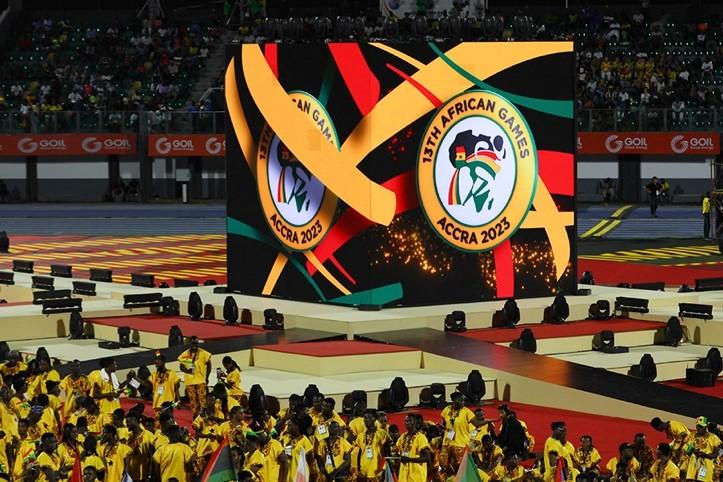
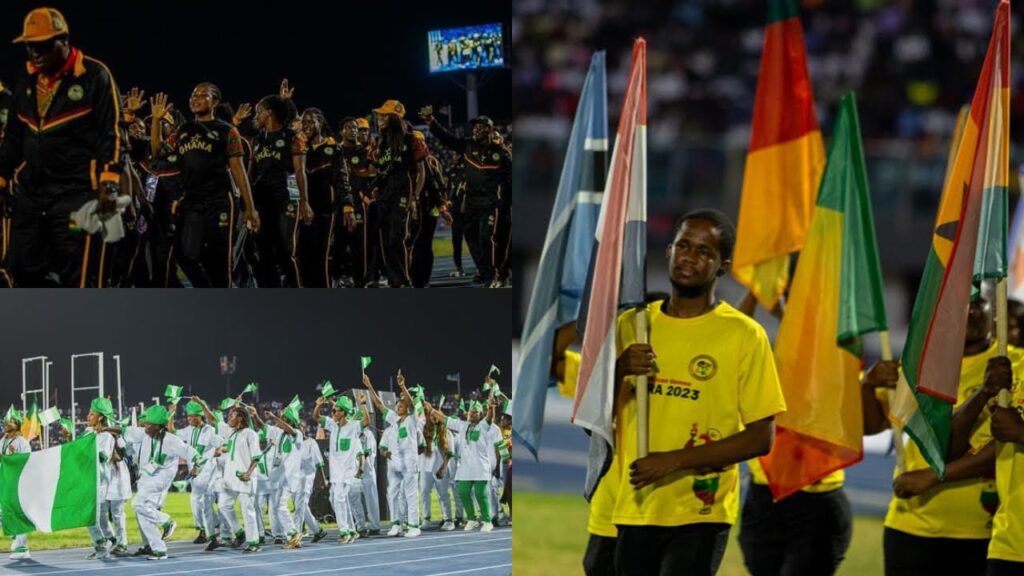
In the early 2000s, the Games underwent a rebranding to become the African Games, now under the ownership of the African Union (AU).This vicissitudes was not merely beautifying—it marked a transition from symbolic unity to strategic continental ownership.The AU now coordinates the Games alongside ANOCA (Association of National Olympic Committees of Africa) and AASC (African Sports Confederation), embedding them within Africa’s broader development agenda (IOC, 2019). The 12th edition (2019) of the continental sporting event saw the new name “African Games” in Rabat, Morocco. Ghana was the second nation to host the continental competition under this new nomenclature as the 13th edition (2023) in Accra.
Ghana’s Role: From Celebration to Accountability
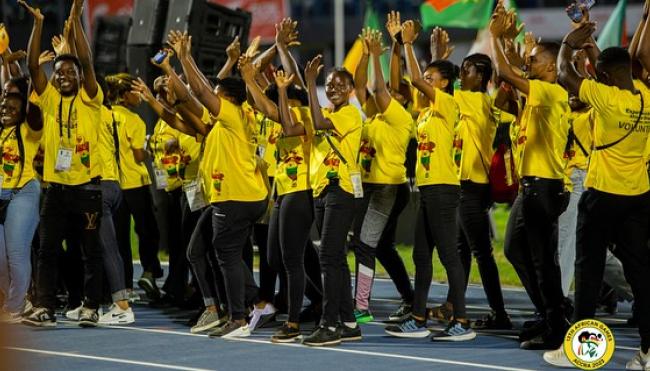
The early Games from the 1st to the 11th editions celebrated post-colonial pride and athletic excellence.Recent editions, such as the 13th African Games in Accra (2023), have presented new themes worth exploring in the Ghanaian context:
- Infrastructure development and legacy planning
- Digital fan engagement via platforms like TikTok, Facebook and X
- Ethical governance, with calls for transparency in spending and procurement
- Cultural representation, including traditional sports and African symbolism
Why the Nomenclature Matters
The shift in nomenclature from “All-African Games” to “African Games” matters because it reflects a deeper transformation in continental identity, ownership, and strategic intent. The following deepens the essence of the name change as:
1. From Symbolism to Sovereignty –“All-African” emphasized inclusivity and unity among newly independent states—a symbolic gesture of pan-African solidarity. The “African Games” signals continental ownership. It’s no longer just about participation; it’s about Africa defining, governing, and leveraging its own sporting future.
2. Institutional Shift and Governance –The rebranding coincides with the African Union’s takeover of the Games from the Supreme Council for Sport in Africa.This marks a move from loosely coordinated events to strategically governed platforms, aligning with AU goals for youth empowerment, peacebuilding, and development.
3. Narrative Control and Cultural Representation
“African Games” allows for more authentic storytelling—centered on African values, heroes, and traditions. It opens space for traditional sports, indigenous symbols, and culturally grounded branding that reflects Africa’s diversity and pride.
4. Policy and Legacy Framing
The new name supports policy framing around infrastructure, ethics, and legacy planning. It enables governments and researchers to evaluate impact—from facility management to youth psychological outcomes—under a unified continental lens.
5. Digital Identity and Global Positioning
In the age of social media, “African Games” is cleaner, more brandable, and easier to integrate into global conversations. It positions Africa not just as a participant in global sport, but as a curator of its own sporting identity (InsidetheGames, 2019).
Strategic Takeaways
This nomenclature shift isn’t just semantic—it’s a narrative pivot. It gives a basis to:
- Analyze how branding and governance shape continental pride.
- Explore how ethical sponsorship and facility planning are framed under AU stewardship.
- Build comparative studies on how naming conventions reflect power dynamics in global sport.
- Signal Africa’s agency in shaping its own sporting future.
- Align with the AU’s vision of sport as a tool for development, peace, and youth empowerment.
Strategic Insights for Researchers and Policymakers
This evolution opens new avenues for academic and policy exploration as:
- Narrative analysis: Track how media, athletes, and governments frame the Games across decades.
- Ethical sponsorship: Examine branding, funding, and alignment with African values.
- Facility management: Assess sustainability and post-Games utility of infrastructure.
- Youth development: Explore psychological and social impacts of participation on African youth.
Conclusion


The transition from “All-African Games” to “African Games” is more than a name change—it’s a shift in ownership, purpose, and narrative. As Africa continues to redefine its place in global sport, these Games offer a powerful lens through which to study identity, governance, and transformation. It is thus imperative to accept this new name in Ghana, and chart its course reminding government of their role in the multifaceted aspect of sport for development in Ghana.
References
African Union Sports Council. (2019). 12th African Games – Rabat 2019. African Union. Retrieved from https://au.int/en/ausc
Inside the Games. (2019, August 31). Egypt dominate African Games medal table in Rabat. Inside the Games. Retrieved from https://www.insidethegames.biz
Olympic.org. (2019). African Games Rabat 2019. International Olympic Committee. Retrieved from https://olympics.com