






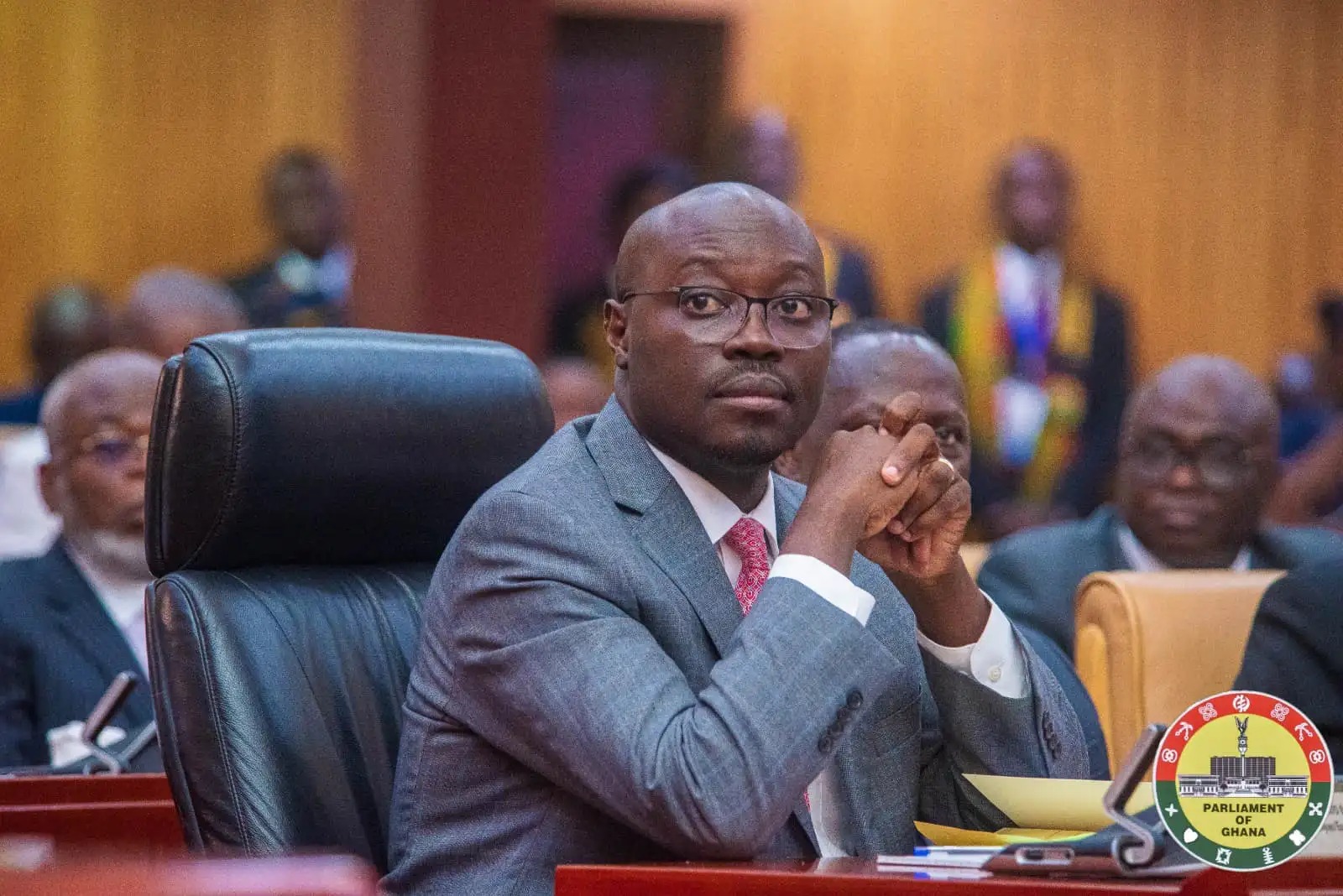
Ghana’s public finances came under renewed scrutiny after the Minister for Finance, Cassiel Ato Forson, revealed that nearly half of the country’s tax revenue was spent on wages in 2025, raising concerns about fiscal sustainability.
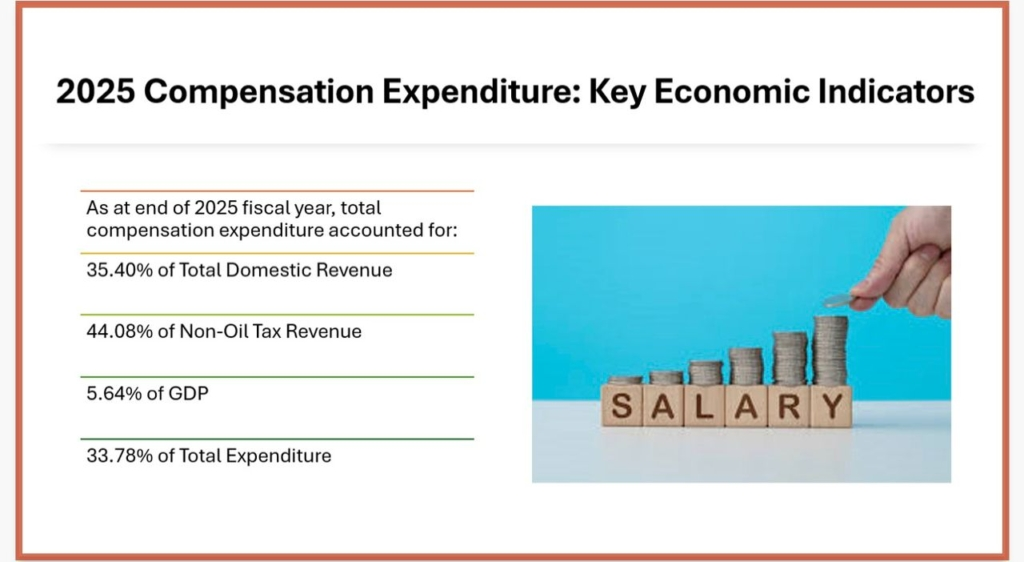
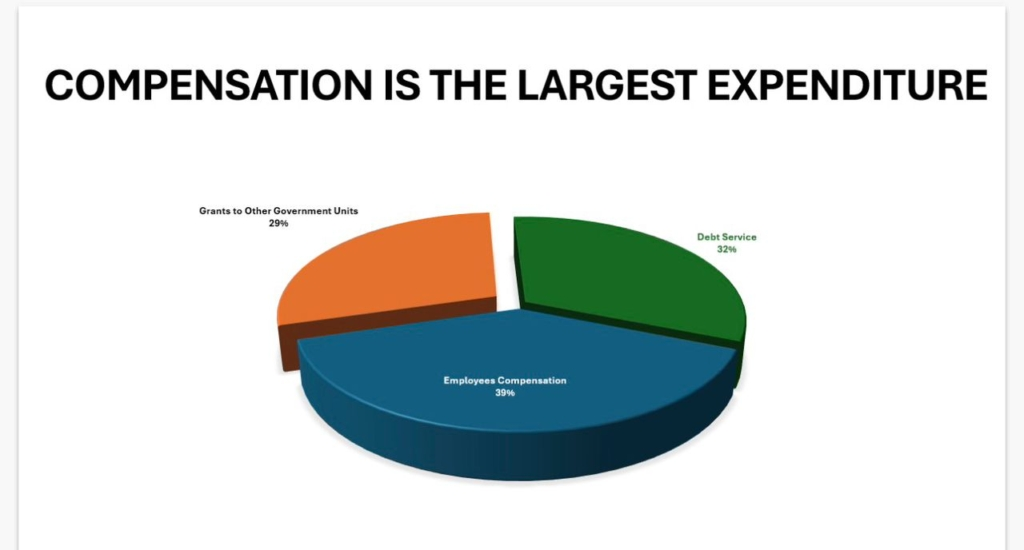
Speaking at a high-level engagement between President John Dramani Mahama and organised labour, Dr. Forson disclosed that the government allocated 44 percent of its total tax earnings to public sector salaries. This figure exceeds the 35 percent benchmark recommended by the Economic Community of West African States (ECOWAS), highlighting the growing strain on the national budget.
According to the Finance Minister, Ghana generated GH¢183 billion in tax revenue in 2025. However, a significant portion—GH¢122.1 billion—was already committed to statutory obligations such as transfers to key funds and debt servicing. This left the government with GH¢61.9 billion in discretionary resources.
Despite this limited fiscal space, the country’s wage bill alone reached GH¢78.9 billion, creating a shortfall that compelled the government to borrow approximately GH¢17 billion to meet salary payments.


Dr. Forson warned that the combined cost of wages, statutory payments and debt obligations now exceeds total tax revenue, leaving little room for other critical areas of spending. He noted that this trend is crowding out investments in essential sectors, including infrastructure development, healthcare and education.
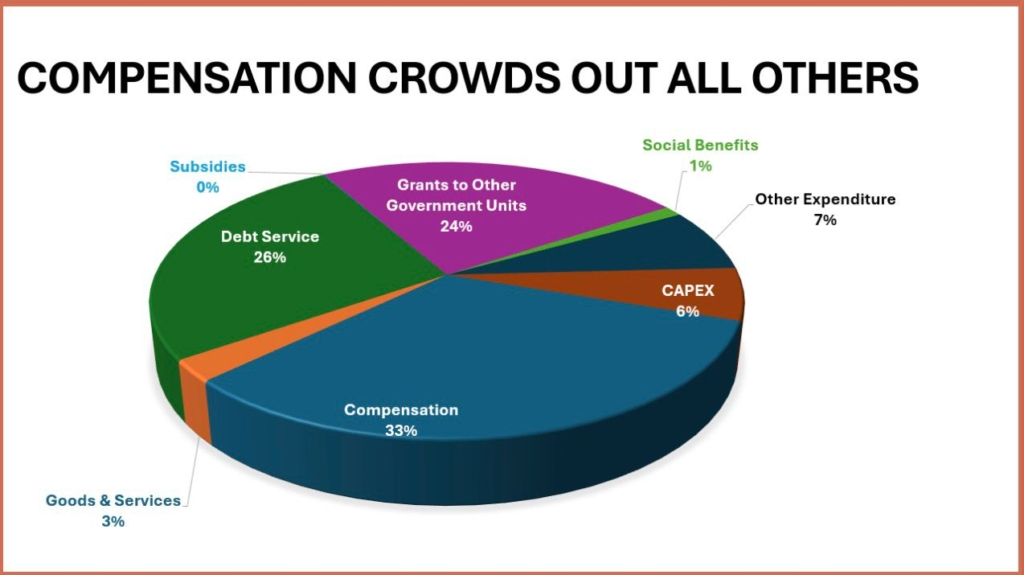
While reaffirming the government’s commitment to fair compensation for public sector workers, the Finance Minister cautioned that the rising wage bill presents a structural risk to the economy. He stressed the need for prudent wage management alongside broader fiscal reforms to restore balance and create space for development.
The remarks come amid ongoing discussions between government and labour unions, as authorities seek to address wage concerns while maintaining macroeconomic stability.