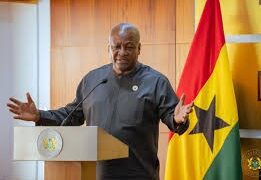







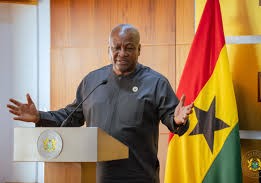
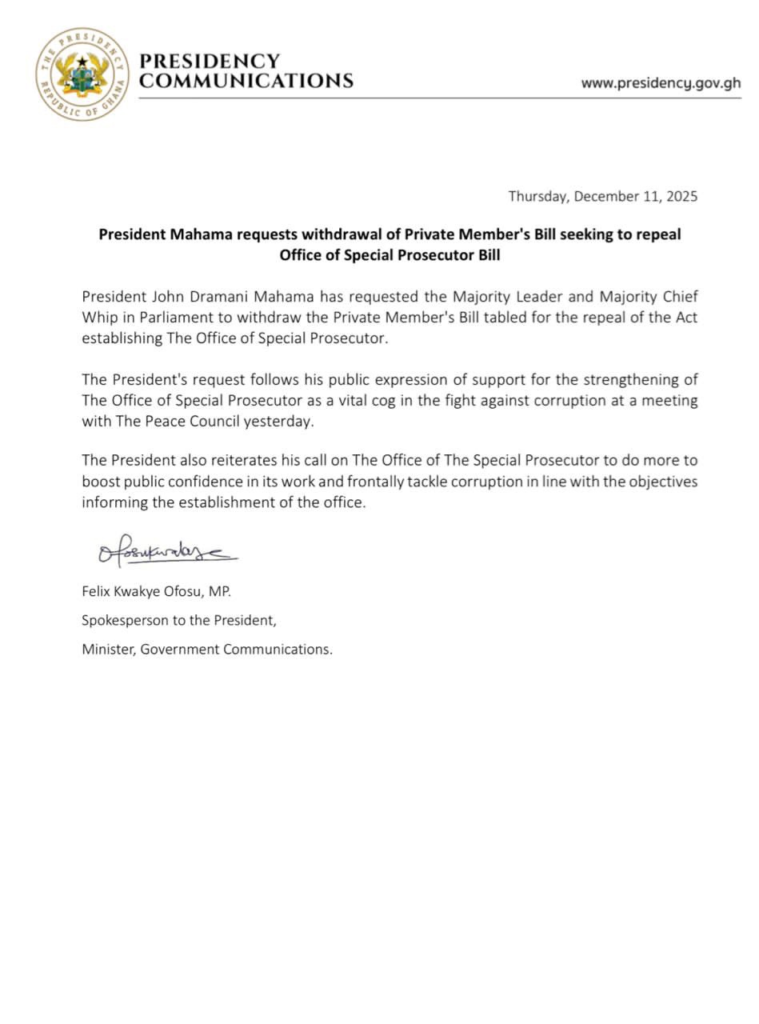
President John Dramani Mahama has requested the Majority Leader and Majority Chief Whip in Parliament to withdraw the Private Member’s Bill seeking to repeal the Act that established the Office of the Special Prosecutor (OSP).
The Bill, sponsored by Mahama Ayariga, MP for Bawku Central, and Rockson-Nelson Dafeamekpor, MP for South Dayi, argues that operational challenges since the creation of the OSP in 2017 justify dissolving the institution.
In a memorandum dated December 8, the MPs cited duplication of prosecutorial functions between the OSP and the Attorney-General, institutional friction, jurisdictional overlaps, delays, and inefficiencies.
They further argued that the OSP incurs high operational costs without demonstrating commensurate impact, while contributing to the fragmentation of national prosecutorial strategies and facing difficulties in maintaining long-term institutional capacity due to parallel administrative systems.


However, in a statement issued on Thursday, December 11, Minister for Government Communications Felix Kwakye Ofosu announced that President Mahama has rejected the move and called for the withdrawal of the Bill.
He said the President’s request aligns with his public stance in support of strengthening the OSP as a critical institution in Ghana’s anti-corruption framework.
At a meeting with the Peace Council on Wednesday, President Mahama dismissed calls for the closure of the OSP, describing such suggestions as premature. He emphasized that his administration is committed to resourcing anti-corruption institutions, including the Economic and Organised Crime Office (EOCO) and the OSP.
“That’s why we are resourcing EOCO and the other anti-corruption institutions, including the Office of the Special Prosecutor. Recently, there have been some controversies surrounding the Office of the Special Prosecutor. I think it is premature to call for the closure of that Office,” he said.
The President highlighted the unique mandate of the OSP, noting that it is the only anti-corruption agency with independent prosecutorial powers that do not require authorization from the Attorney-General.
He argued that this independence was designed to resolve long-standing public mistrust of the Attorney-General’s office, which is often headed by a government appointee.
“The unique thing about that Office is that it is the only anti-corruption agency that has prosecutorial powers to prosecute cases without going through the Attorney-General. People had mistrust for the Attorney-General because the Attorney-General is normally a member of government and a Minister of State,” President Mahama stated.
He urged the Special Prosecutor to expedite investigations into corruption cases, prosecute offenders without fear or favor, and demonstrate the continued relevance of the institution in Ghana’s governance architecture.
President Mahama’s intervention is expected to dispel concerns that his administration is seeking to scrap the Office of the Special Prosecutor and reaffirm his commitment to strengthening independent anti-corruption agencies.