






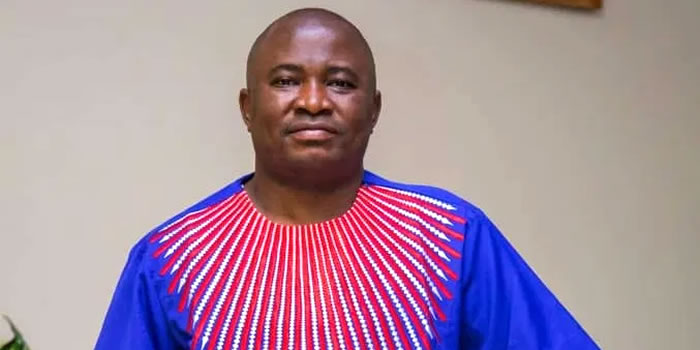
The Member of Parliament for Akim Oda Constituency, Alexander Akwasi Acquah, has criticized President John Mahama’s recent engagement with the media, arguing that the president missed an opportunity to apologise to Ghanaians for failing to curb illegal mining, popularly known as galamsey.
Speaking on ABC in the Morning, the MP said the president’s interaction was uninspiring and could erode public confidence in political leadership.
“This is something that is going to derail confidence in politicians. We know how they used it to campaign for the 2024 election,” he noted.
He added that the timing of the press briefing was premature since “they haven’t stabilised yet, maybe they should have waited for some time.”
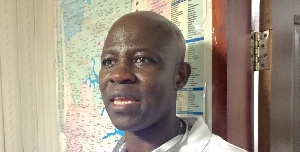
But the president’s position received strong defence from Abraham Amaliba, Chief Executive Officer of the National Road Safety Authority.
Responding to concerns raised during the programme, Mr. Amaliba stressed that the government’s strategy of providing alternative livelihoods for illegal miners was a key component of long-term efforts to restore water bodies and forest reserves.
“He talked about some forests have been recovered,” Mr. Amaliba said, adding that what drives many into galamsey is “bread and butter issues.”
He insisted that tackling these economic concerns was central to sustaining the fight against the menace.
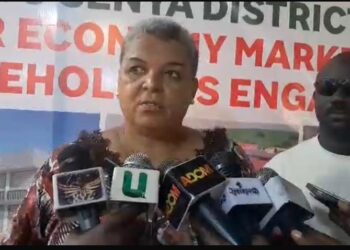
However, environmental campaigners have raised doubts about government’s resolve. Executive Director of Eco-Conscious Citizens, Awula Serwah, expressed disappointment in what she described as the government’s lack of urgency in dealing with the crisis.


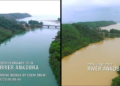
She argued that eight months into the NDC administration, the situation of rising turbidity in water bodies warranted a state of emergency.
“The President has backtracked on his promise while in opposition and is treating galamsey with kid gloves,” she said, warning that communities dependent on natural water sources remain at risk.
The debate reflects a widening divide over the government’s approach to galamsey. While some insist that alternative economic opportunities are the surest way to reduce the practice, others argue that without a firmer political stance, illegal mining will continue to devastate Ghana’s environment.