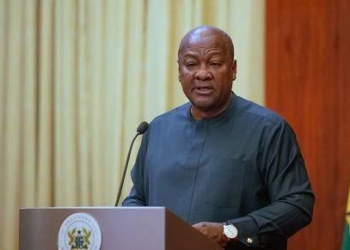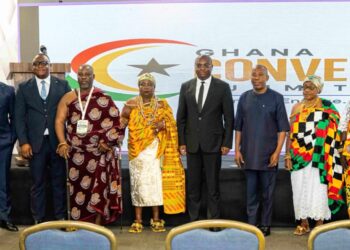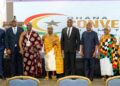








The Chief Executive Officer of VODEC Africa and Convener of the National Emerging Leaders Economic Forum (NELEF), Daniel Asomani, has announced plans for the 2026 edition of the forum, which seeks to empower young people and create opportunities for them to contribute meaningfully to Ghana’s development.
Speaking to the media at the launch of NELEF 2026, Mr Asomani said the forum would provide a platform for young leaders, policymakers and government officials to engage on issues affecting the country’s youth and economy.
According to him, NELEF was first held in 2024 at the UPSA Auditorium, bringing together young people and key stakeholders to discuss policies and initiatives aimed at promoting youth development and leadership.
He said the 2026 edition would focus on giving young people a stronger voice in national decision-making, noting that many young professionals and graduates feel excluded from decisions that directly affect their future.
Mr Asomani also identified brain drain as a major concern the forum seeks to address.
He said Ghana must create favourable opportunities for young professionals and graduates to remain in the country and use their skills and expertise to contribute to national development instead of seeking opportunities abroad.
The NELEF Convener further called for greater attention to economic policies and taxes affecting young entrepreneurs and businesses.
He cited levies such as the Electronic Transfer Levy (E-Levy) and the COVID-19 Levy as examples of policies that require continuous engagement to ensure they do not unnecessarily hinder entrepreneurship and business growth.
Mr Asomani said NELEF 2026 would therefore serve as a platform for constructive dialogue among young people, policymakers and other stakeholders on policies that can strengthen the economy and create sustainable opportunities for the youth.
Call for policy and education reforms
Mr Asomani further called for legislative, educational and economic policy reforms to create a more favourable environment for young leaders and entrepreneurs.
He argued that reducing the age limit for political participation would give younger citizens greater opportunities to take part in national governance and bring fresh perspectives to decision-making.
He also called for reforms in Ghana’s tertiary education system, particularly in entrepreneurship education.
According to him, universities should move beyond an academic system that places heavy emphasis on thesis writing and graduation and instead equip students with practical skills to establish sustainable businesses.
“Our schools need to intentionally produce entrepreneurs,” he stated.
Mr Asomani said students should be encouraged and supported to develop commercial products and practical ventures from ideas generated during their studies.


Tax incentives, government contracts for youth-led businesses
On the economy, Mr Asomani urged the government to introduce targeted tax exemptions and incentives for young businesses and startups as part of efforts to address brain drain and retain skilled professionals in Ghana.
He further called on government procurement institutions to deliberately create opportunities for youth-led businesses to access public contracts.
According to him, access to government procurement contracts could provide young entrepreneurs with the market and financial support needed to expand their businesses, create jobs and contribute to national development.
Mr Asomani said such interventions would help create an enabling environment where young Ghanaians can build successful businesses and apply their skills to Ghana’s economic transformation.
He urged young people and relevant stakeholders to participate actively in NELEF 2026 and contribute ideas towards building a stronger and more inclusive economy.