







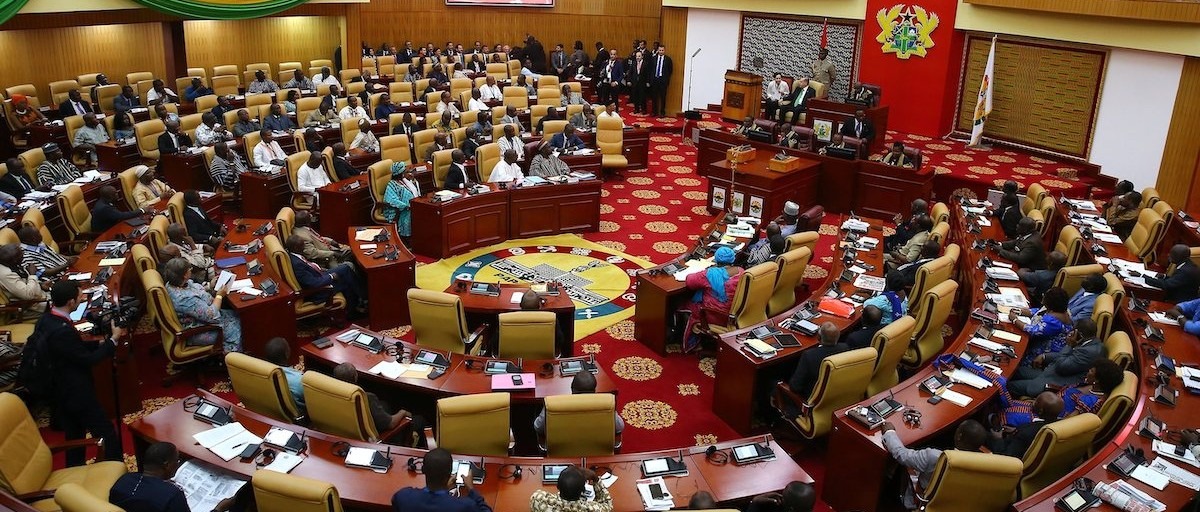
Parliament has approved the Security and Intelligence Agencies Bill, 2025, marking a significant shift in Ghana’s national security structure after the legislation successfully passed its third reading.
A key provision in the newly passed law is the renaming of the National Investigations Bureau (NIB) back to its former identity, the Bureau of National Intelligence (BNI). The change is intended to eliminate ongoing public confusion between the security agency and the similarly abbreviated National Investment Bank.
Presenting the bill earlier in the legislative process, Interior Minister Muntaka Mohammed-Mubarak justified the move, stating: “Unfortunately, we have a situation where you say NIB, people are wondering whether you are talking about the bank or the security agency. So one of the significant things we are trying to do is to reintroduce the name BNI… Bureau of National Intelligence.”
Beyond the renaming, the legislation also abolishes the position of Minister for National Security, effectively restructuring oversight of the country’s intelligence operations. Under the new arrangement, the National Security Coordinator will operate under the supervision of a minister appointed by the President, rather than through a dedicated ministry.


According to the Interior Minister, this adjustment is aimed at improving coordination at the highest level of government. He argued that placing national security oversight closer to the presidency would reduce bureaucratic tensions and enhance efficiency in decision-making.
However, the bill’s passage was not without controversy. Members of the Minority consistently raised concerns during parliamentary debates, warning that the changes could concentrate too much authority in a single office.
Minority Leader Alexander Afenyo-Markin criticized the proposed framework, cautioning that it grants “excessive authority” to the National Security Coordinator without sufficient checks. He further argued that the explanatory memorandum failed to demonstrate clear shortcomings in the current system governed by existing legislation.
Despite these objections, the bill secured approval, paving the way for what government officials describe as a more streamlined and coherent national security structure.