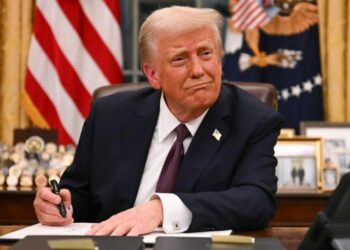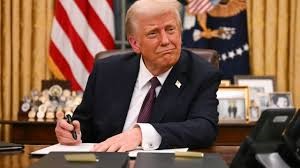







U.S President Donald Trump has signed a Presidential Memorandum directing the withdrawal of the United States from 66 international organizations, citing that the entities no longer serve American interests.
The move, announced by the White House on January 7, 2026, affects 31 United Nations (UN) bodies and 35 non-UN organizations
The memorandum instructs all executive departments and agencies to cease participation in and funding of the identified organizations, which the administration says operate contrary to U.S. national interests, security, economic prosperity, or sovereignty. This action follows a comprehensive review of all international intergovernmental organizations, treaties, and conventions to which the United States is a party or provides funding.
“The United States will no longer support entities that advance globalist agendas over American priorities, or fail to achieve meaningful results despite taxpayer funding,” the White House said. Officials emphasized that the withdrawals will save billions in taxpayer dollars and refocus resources on domestic priorities.
Many of the organizations targeted by the withdrawal, the administration says, promote radical climate policies, global governance, or programs that conflict with U.S. sovereignty and economic strength. “American taxpayers have spent billions on these organizations with little return, while they often criticize U.S. policies or advance agendas contrary to our values,” the statement read.


President Trump has consistently emphasized putting America first on the global stage. Upon returning to office, he initiated withdrawals from the World Health Organization and the Paris Climate Agreement. On his first day in office, he also challenged the Organization for Economic Co-operation and Development’s Global Tax Deal and launched an investigation into foreign tax rules that may disproportionately affect U.S. companies. Shortly thereafter, he withdrew the United States from the UN Human Rights Council and cut funding for the UN Relief and Works Agency for the Near East.
Through these actions, the administration says it is prioritizing American interests by redirecting focus and resources toward domestic priorities, including infrastructure, military readiness, border security, and protecting U.S. companies from foreign interference.