






The Water Resources Commission has emphasized the need for adaptation measures to mitigate the impact of recurring dam spillages on farmers in Ghana.
Principal Basin Officer of the Commission, Dr. Mawuli Lumor, highlighted that while engineering solutions may provide some relief, they are not sufficient to address the broader challenges created by controlled dam releases, especially from the Bagre Dam in Burkina Faso.
He explained that climate change has worsened the situation, making it imperative for Ghana to adopt proactive strategies to protect livelihoods.
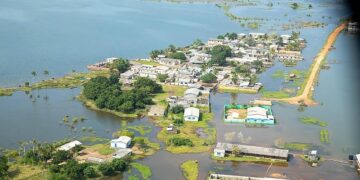
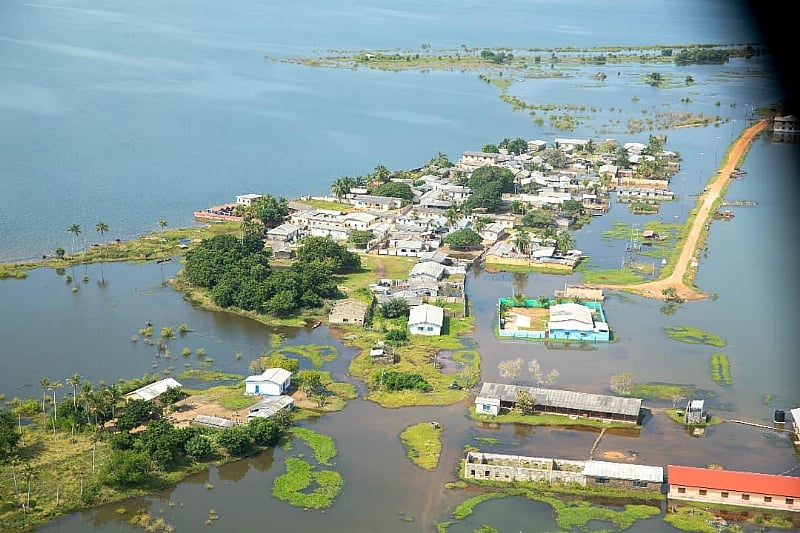
Dr. Lumor noted that communities in northern Ghana have often been the hardest hit whenever the Bagre Dam is spilled, with farmlands and properties submerged.


He stressed that adaptation must be central to addressing the issue, particularly through changes in farming practices. According to him, farmers need to pay closer attention to crop choices and planting seasons, which can help minimize losses when floods occur. “Regarding the effects on farmers, we have to find a way to live with it.
The best is to look at crops to plant during these situations where flooding will not destroy,” he explained.
He added that while some residents heed warnings, many remain reluctant to move from flood-prone areas due to attachment to their lands.
“The reason why some people have refused to move is because, human nature, we are attached to our lands,” he pointed out, noting that this poses additional risks during spillage periods. He commended the National Disaster Management Organisation (NADMO) for consistently providing information and sensitization to affected communities, even though relocation remains a challenge.
According to Dr. Lumor, reducing the annual destruction caused by the Bagre Dam spillage requires not only government interventions but also a change in mindset among local communities. He maintained that the country must balance infrastructural approaches with adaptive solutions that strengthen resilience. “It takes a lot of time and energy to be able to do that,” he said, urging farmers and local authorities to take long-term measures seriously.
The Commission reiterated its commitment to collaborating with NADMO, local assemblies, and farmers to ensure that the impact of dam spillages is managed more effectively. With climate variability expected to increase the frequency and intensity of such events, Dr. Lumor stressed that building resilience through adaptation is the surest way to safeguard lives, farmlands, and property.