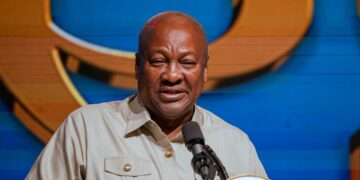







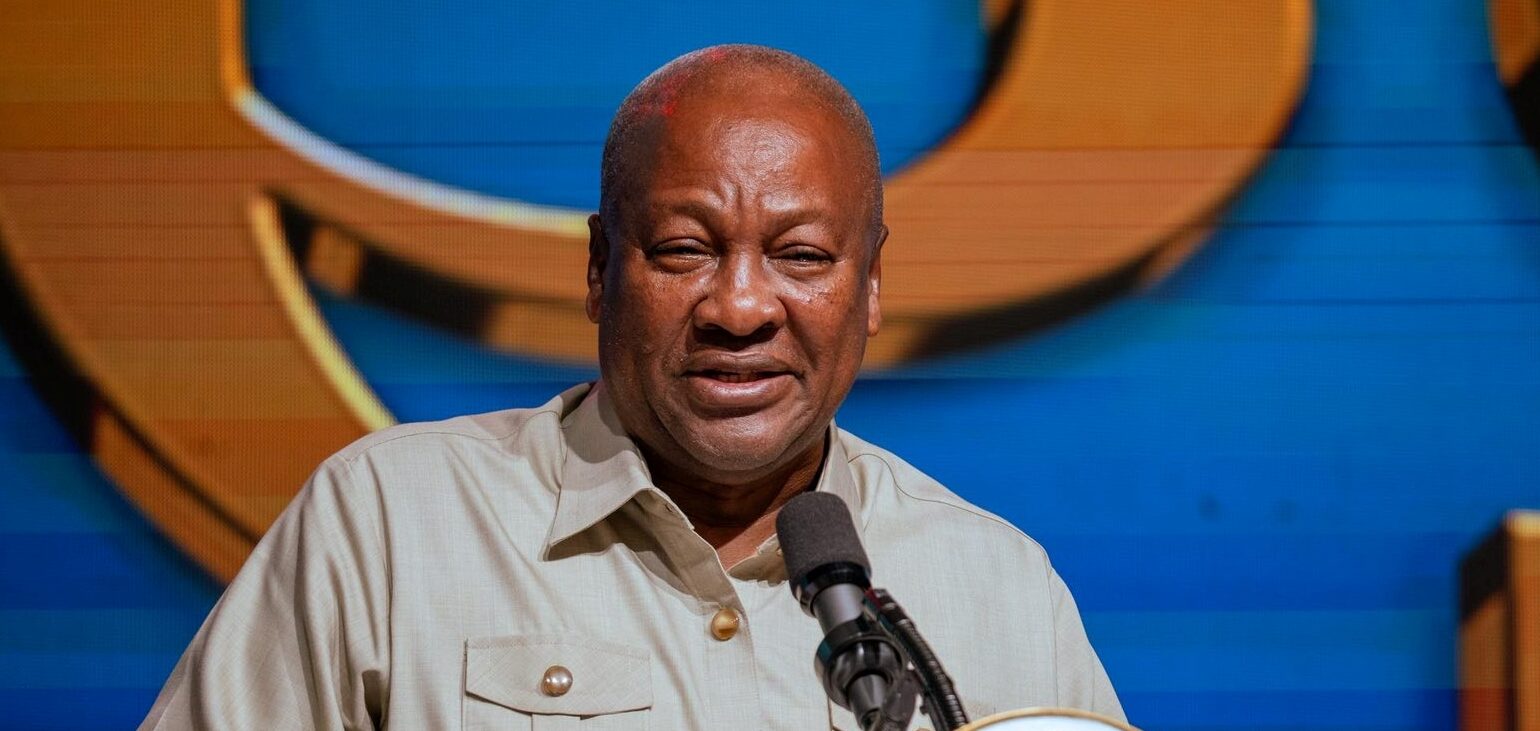
President John Dramani Mahama is set to lead high-level discussions on the Accra Reset initiative at the World Economic Forum in Davos, Switzerland, as part of broader efforts to rethink global cooperation and strengthen the sovereign capacity of countries in the Global South.
In a statement released by the Presidency Communications on Wednesday, January 21, 2026, it was announced that President Mahama will take part in the inaugural Davos convening of the Accra Reset on Thursday, January 22, 2026, held on the sidelines of the World Economic Forum Annual Meeting.
The statement explained that President Mahama chairs the Presidential Council of the Accra Reset, which is described as a Global South–led initiative aimed at reinforcing national sovereignty and reshaping international collaboration at a time of mounting global pressures.
It noted that the timing of the Accra Reset is significant, as the world grapples with escalating great-power competition, the erosion of traditional aid frameworks, rising trade tensions, and multiple crises including climate shocks, high living costs, pandemics, and ongoing conflicts.
A number of current heads of state are expected to attend the event, among them Egypt’s President Abdel Fattah el-Sisi, Kenya’s President William Ruto, and Democratic Republic of Congo President Félix Tshisekedi. Nigeria will be represented by Vice President Kashim Shettima, while Papua New Guinea’s Prime Minister, James Marape, is also scheduled to participate.
Former leaders taking part include Nigeria’s ex-President Olusegun Obasanjo, former New Zealand Prime Minister Helen Clark, former Mauritius President Ameenah Gurib-Fakim, and Liberia’s former President Ellen Johnson-Sirleaf.
According to the Presidency, the Davos meeting will serve as a platform to launch priority programmes under the Accra Reset, following its formal introduction at the 2025 United Nations General Assembly and its endorsement at the G20 Leaders’ Summit in Johannesburg.
The initiative comes at a time of intensifying global pressures, including great-power rivalries, growing trade tensions, the weakening of traditional aid frameworks, and overlapping crises linked to climate change, cost-of-living increases, pandemics, and conflicts.


The Davos engagement is expected to further elevate Ghana’s role in shaping global conversations on development, cooperation, and reform of the international order.