






Government has announced plans to eliminate selected taxes and margins on petroleum products in a move aimed at easing the burden of rising fuel prices on consumers.
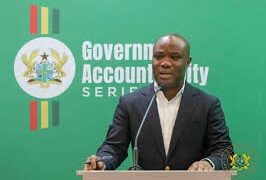
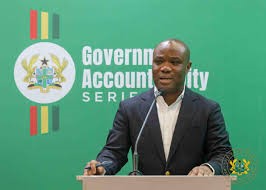
The decision was reached at a Cabinet meeting on Thursday, April 9, where officials reviewed the impact of recent global economic developments on Ghana. Minister of State for Government Communications, Felix Kwakye Ofosu, disclosed the outcome, noting that the measure is intended to cushion households and prevent further increases in the cost of living.
Fuel prices in Ghana have recorded increases in recent pricing windows, largely driven by external factors. According to Mr Ofosu, ongoing geopolitical tensions in the Middle East—particularly involving the United States, Iran, and Israel—have disrupted global oil supply chains, contributing to higher crude oil prices.
He warned that if left unchecked, the upward trend in fuel prices could have a ripple effect across the economy, influencing transport fares and the cost of goods and services.
“These increases, if not checked, could spill over into transport fares and the prices of other goods and services, ultimately affecting the cost of living,” he said.


To address the situation, Cabinet has directed the Ministers for Finance and Energy to take immediate action to reduce pump prices by removing certain taxes and margins.
“The first directive that cabinet has issued is that the finance and energy ministers should take immediate steps to reduce the price of fuel through the removal of some taxes and margins on fuel, effective the next pricing window, which is about a week from today. And this is supposed to be done as soon as possible.”
Mr Ofosu explained that global supply disruptions, including constraints along the Strait of Hormuz—a critical shipping route for crude oil—have driven up associated costs such as freight charges and insurance premiums.
Despite these global pressures, he noted that Ghana’s improving economic indicators, including a strengthening cedi and moderating inflation, have helped limit the extent of fuel price increases compared to previous crises like the Russia-Ukraine conflict.
Government, he added, remains committed to implementing timely interventions to stabilise prices and protect citizens from further economic strain.