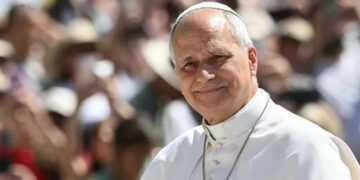







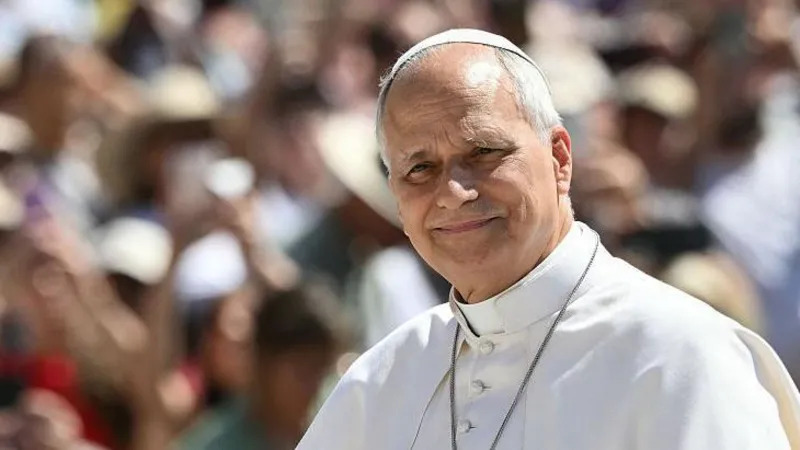
Ghana has welcomed an apology from Pope Leo XIV over the Catholic Church’s historic involvement in slavery, describing the gesture as a significant act of moral courage and an important contribution to global efforts toward truth and justice.
The Pope, in what is being described as his most direct acknowledgement yet, expressed regret over the Church’s role in legitimising slavery for centuries and its delayed condemnation of the practice. He characterised this legacy as a “wound in Christian memory”.
The apology was published on Monday in his first major teaching document since assuming the papacy. The encyclical also examined broader global challenges, including the ethical risks associated with artificial intelligence.


Ghana, a key historical centre in the transatlantic slave trade, reiterated the importance of confronting this painful past. Between the 16th and 19th centuries, millions of Africans were forcibly transported across the Atlantic, with many perishing during the journey.
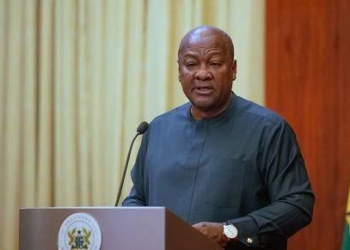
In a statement issued late Tuesday, the Ghanaian government said the Pope’s acknowledgment of the Church’s role in slavery contributes meaningfully to healing and reconciliation.
It stated that the apology “reinforces the growing global understanding that confronting historical injustices demands truth-telling and moral responsibility as essential foundations for justice and reconciliation.”
In his document titled “Magnifica Humanitas” (“Magnificent Humanity”), Pope Leo XIV expressed deep remorse, noting that it is “impossible not to feel deep sorrow when contemplating the immense suffering and humiliation endured by so many”.
He also admitted that Church authorities historically supported or tolerated systems of enslavement, saying they at times responded to rulers’ requests by “regulating and legitimising forms of subjugation, including the enslavement of of [non-Christians]”. He further acknowledged that even ecclesiastical institutions once owned slaves.
“This constitutes a wound in Christian memory,” he said.
Ghana has long been among African nations advocating for global recognition and reparations for the transatlantic slave trade. In March, it successfully supported a United Nations resolution describing the enslavement of Africans as the “gravest crime against humanity”. The initiative, backed by the African Union, seeks to promote reparative justice and address ongoing inequalities linked to slavery.
The country is also preparing to host a conference in June to discuss next steps following the UN resolution, including broader conversations around restitution and historical accountability.
Human Rights Watch said the Pope’s apology was an important step, but stressed that symbolic gestures alone were insufficient. The organisation argued that religious institutions, alongside states and corporations that benefited from slavery, must engage more directly in reparative action.
It added that genuine justice requires more than apologies, calling for concrete efforts to address the long-standing consequences of slavery, including racial inequality and structural disadvantage.
Source: BBC