







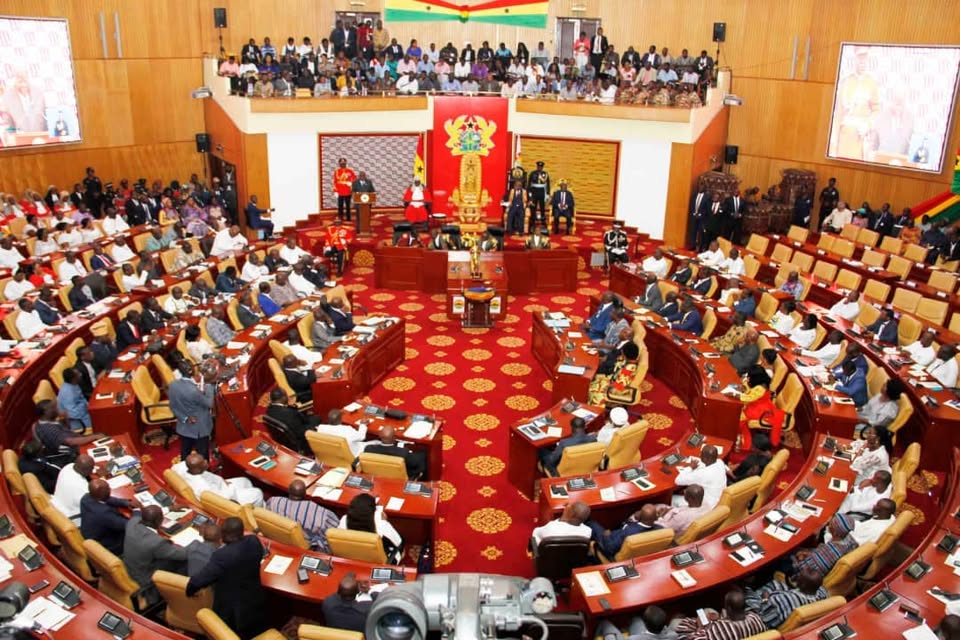
Parliament has passed the Energy Sector Levies (Amendment) Bill, 2026, introducing changes aimed at improving revenue collection and addressing abuses associated with the country’s fuel subsidy regime.
The amendment revises portions of the Energy Sector Levies Act, 2025, increasing the Energy Sector Shortfall and Debt Repayment Levy on fuel oil from GH¢0.24 per litre to GH¢1.93 per litre. The revised rate now matches the levy imposed on diesel and marine gas oil.
Lawmakers also approved the extension of the Road Fund Levy to fuel oil as part of broader efforts to streamline the levy structure across petroleum products.
Government says the changes are designed to eliminate loopholes that have allowed some individuals and businesses to exploit subsidy arrangements intended for industrial users. According to officials, the abuse has resulted in revenue losses and undermined the objectives of the subsidy programme.
Addressing Parliament during consideration of the bill, Finance Minister Dr. Cassiel Ato Forson explained that industrial users of fuel oil would now be required to pay the applicable levies at the point of importation before applying for a refund.
“Some individuals are taking advantage and smuggling, buying fuel, buying diesel and disguising it as fuel oil and collecting the taxes on it. We will continue to give that tax exemption to industries. However, instead of ex-ante, this tax exemption will be ex-post. Ex-ante simply put, that you get a tax exemption ahead, now you get the tax exemption ex-post. You have to pay for it as industry and claim the refund. Fuel oil is not used by motorists, it’s used by industry.


“And so, Mr. Speaker, for emphasis, there will not be a tax increase on petroleum product. What we are saying is that we are equally going to amend the Revenue Administration Act to make the tax refund system relating to industries buying fuel oil moving from 90 days to 14 days,” he said.
The Finance Minister maintained that the revised arrangement is intended to strengthen accountability while ensuring genuine industrial users continue to benefit from the tax relief through a faster refund process.
Government believes the amendment will protect public revenue, reduce opportunities for fuel subsidy fraud, and improve the efficiency of the country’s energy sector financing framework.