






A fresh assessment by the Greater Accra Resilient and Integrated Development (GARID) project has revealed that approximately 16% of the legally protected drainage buffer zones in selected parts of the Greater Accra Region have been encroached upon, raising fresh concerns over the growing flood risk in the capital.
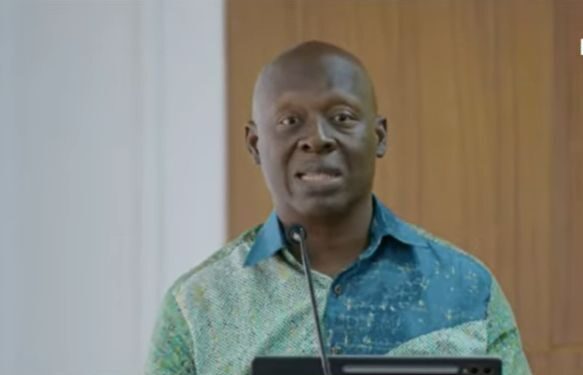
The findings were presented on Friday, July 3, by the GARID Project Coordinator and member of the Post-Flood Mitigation Committee, Kojo Ohene Safo, during a briefing on the project’s drainage buffer encroachment assessment.
According to the assessment, the study examined developments along waterways in 16 metropolitan, municipal and district assemblies, focusing on the legally required 25-metre buffer zone on either side of major drains.
Using satellite and comparative data spanning 2022 to 2026, the analysis found a steady increase in the number of structures erected within protected drainage corridors across most of the assemblies assessed.
While Ablekuma Central remained largely unchanged—with six structures identified within the buffer zone in 2022 and no additional encroachments recorded during the latest assessment—officials noted that such cases were uncommon.


Several assemblies recorded notable increases in unauthorised developments. In Ayawaso Central, the number of structures within drainage buffers increased from 793 in 2022 to 801 in 2026, while Ayawaso East recorded a rise from 337 to 494 over the same period.
Ga Central also experienced continued encroachment, with 54 new structures added between 2023 and 2025, bringing the total number of structures within the assessed drainage corridor to 2,329.
Other affected assemblies included Krowor, where structures increased from 178 to 295, Okai Koi North from 596 to 729, Ablekuma West from 904 to 1,293, Ga North from 1,049 to 2,261, and Ga South from 746 to 871.
The assessment further showed that La Dade-Kotopon recorded an increase from 544 to 638 structures, while Adentan rose from 171 to 214.
Overall, GARID identified 10,497 structures occupying protected drainage buffer zones across the sampled assemblies, a situation officials say undermines planning regulations intended to preserve waterways and facilitate the free flow of stormwater.
Warning about the implications of continued encroachment, Mr. Ohene Safo said blocked and narrowed drainage channels leave floodwaters with limited routes during periods of heavy rainfall.
“And so, when we have the volume of rain that we do, the water doesn’t have a natural path. That will inevitably impact people; it will affect them,” he stated.
The findings come as authorities intensify efforts to address flooding in Greater Accra following recent heavy rains, with government signalling stricter enforcement against developments that obstruct drainage channels and watercourses.