






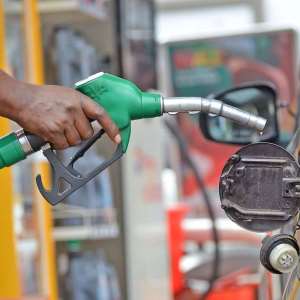
Petroleum prices have inched up across Ghana following the announcement of new minimum pump prices by the National Petroleum Authority (NPA) for the second pricing window of February 2026.
The revised rates, which took effect on Monday, February 16, 2026, set a floor price of GH¢10.24 per litre for petrol and GH¢11.34 per litre for diesel. Under the directive, Oil Marketing Companies (OMCs) are not permitted to sell below these thresholds.
The adjustment marks a slight rise from the first pricing window in February, when petrol was retailing at approximately GH¢9.99 per litre. Industry watchers attribute the increase to the marginal depreciation of the Ghana cedi against the US dollar, coupled with upward movements in international Brent crude oil prices.
A visit to several filling stations on Monday morning confirmed compliance with the new directive. Star Oil is retailing petrol at GH¢10.24 per litre, diesel at GH¢11.97, and RON 95 at GH¢12.97. GOIL has aligned with the minimum price for petrol at GH¢10.24, while diesel is selling at GH¢12.53 and Super XP 95 at GH¢13.35.


Meanwhile, some smaller operators are quoting prices above the stipulated floor. At Petrolsol, petrol is going for GH¢10.98 per litre, with diesel priced at GH¢11.98.
The Chamber of Oil Marketing Companies (COMAC) indicates that this development represents the second fuel price increment recorded so far in 2026.
Ghana’s fuel price floor policy, introduced by the NPA, establishes a minimum retail price for petroleum products to prevent undercutting among OMCs. While the regulator maintains that the measure safeguards smaller industry players and promotes sector stability, critics argue that it curtails competition and may contribute to persistently higher pump prices.
The latest increase is expected to have ripple effects on the broader economy. Transport operators are likely to adjust fares to reflect higher fuel costs, potentially raising commuting expenses for passengers. Businesses that depend on fuel for distribution and logistics may also experience increased operational costs.
For households, the impact could extend beyond the fuel pump, as transportation costs often influence the prices of food and other essential goods. If global oil trends and currency pressures persist, motorists and consumers may continue to feel the strain in the weeks ahead.