






Member of Parliament for Assin South, John Ntim Fordjour, has criticised President John Dramani Mahama over what he describes as inconsistent positions on LGBTQI-related issues.
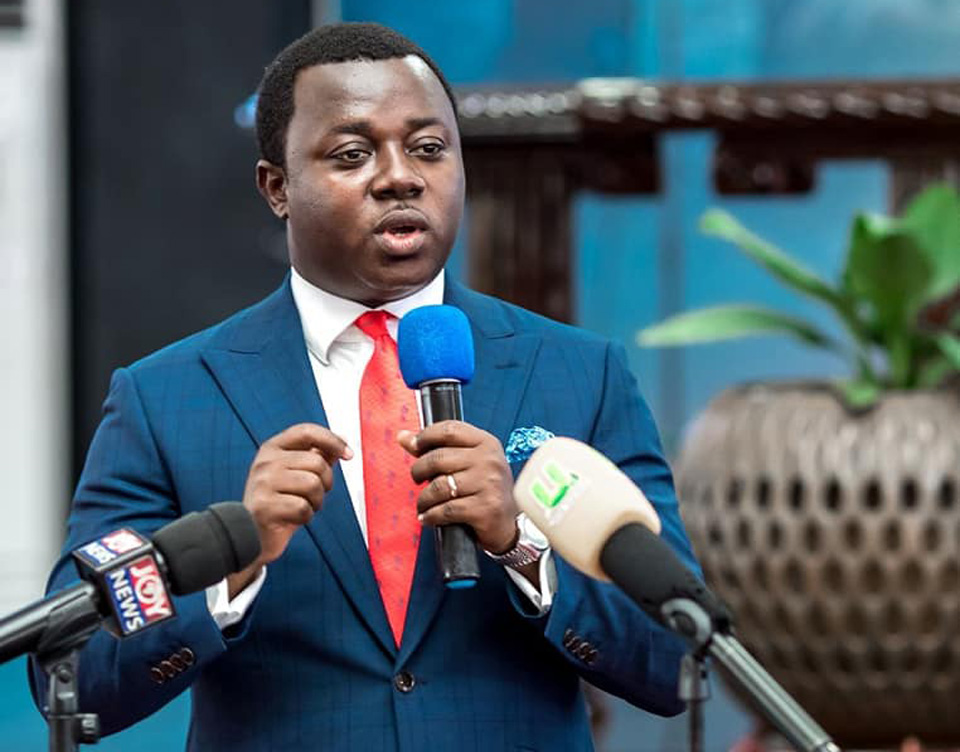
Speaking at a press conference in Accra on Tuesday, April 7, the outspoken legislator—who supports the proposed Human Sexual Rights and Family Values Bill—urged the President to honour what he says were commitments made to Ghanaians regarding the passage of the controversial legislation.
Fordjour accused the President of shifting his stance after assuming office, contrasting it with positions taken while in opposition.
“NDC portrayed the NPP government as indecisive… but the moment they assumed power, they replaced their strong stance in opposition with rhetoric. They moved from ‘pass the bill’ to ‘manage how it is introduced and structured,’” he stated.
He further questioned the consistency of the President’s messaging on the issue, particularly in international engagements.
“The urgency has already evaporated, and his certainty dissolves into procedural language when he goes to America, but tells Ghanaians at home he is against LGBTQ+,” he added.
Also addressing the media, the National Organiser of the New Patriotic Party (NPP), Henry Nana Boakye, alleged that the opposition National Democratic Congress (NDC) politicised LGBTQI matters during the 2024 general elections to gain electoral advantage.
According to him, the issue was strategically used against the then-governing New Patriotic Party (NPP), with the involvement of religious leaders.
“NDC negatively weaponised the issue of LGBTQ+ in the runup to the 2024 elections; they roped in the clergy… in government today, we are seeing something different from what they promised,” he said.
The comments come amid ongoing national discussions on LGBTQI rights and legislation, which have generated significant public debate.


President Mahama, however, has recently called for a more measured approach to the issue, emphasising dialogue and restraint. Speaking during a Presidential Dialogue with Civil Society Organisations at Jubilee House on March 30, he described the matter as sensitive but not among the country’s most urgent concerns.
“I explained during my recent engagement with the World Affairs Council that it is not the most important issue we face as a nation,” the President stated.
“We are still grappling with the provisions of basic needs of education, health care, jobs, food, clothing, and shelter,” he added.
The President reiterated that while differing views exist within Ghanaian society, any resolution must be guided by constitutional principles, democratic processes, and respect for human rights.
“While there are strong and differing views within our society, we believe that issues must be addressed through democratic processes, our core values, dialogue, and the rule of law,” he said.
The debate over the proposed bill—currently before Parliament as a private member’s initiative—continues to draw mixed reactions from political actors, civil society, and the general public.