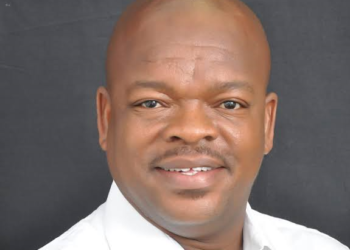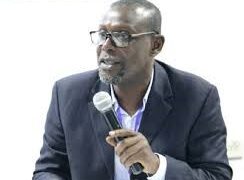







A political governance expert, Michael Boadi, has raised concerns over Ghana’s anti-corruption drive, accusing political leaders of being more focused on securing and maintaining power than strengthening the fight against corruption.
Speaking on ABC In The Morning, Michael Boadi cautioned that the recent development in the High Court’s ruling crippling the special prosecutor from discharging his prosecutorial powers risk weakening public confidence in state institutions and Ghana’s standing as a nation committed to fighting corruption.
According to Boadi, “the ruling disturbs not just the social and general acceptance, but also affect both our local and international reputation as a country desirous of fighting corruption.” He argued that anti-corruption institutions were not created at the whim of political actors, but as part of broader legal and international obligations.
He noted that Ghana is a state party to the United Nations Convention Against Corruption (UNCAC), having acceded to the convention in 2003. He explained that under Article 6 of the convention, member states are required to establish one or more independent bodies tasked with preventing corruption, adequately resourced to function effectively and without political interference.
Boadi further referenced Article 36 of UNCAC, which calls on state parties to ensure the existence of specialised authorities with the necessary independence to investigate and prosecute corruption-related offences.
He stressed that these international obligations are intended to safeguard the credibility and effectiveness of anti-corruption efforts, but argued that Ghana’s implementation has been inconsistent over the years.
“The office just didn’t come into being because a politician wanted it to come to being,” he said, underscoring the institutional intent behind anti-corruption bodies and their independence from political control.


He also lamented what he described as a long-standing governance challenge in the country, stating that corruption has remained one of Ghana’s most persistent problems since independence.
“Over the years many of our political leaders had focused on power and authority at the expense of their own legacy,” he added, suggesting that successive administrations have failed to prioritise long-term institutional reforms over short-term political gains.