






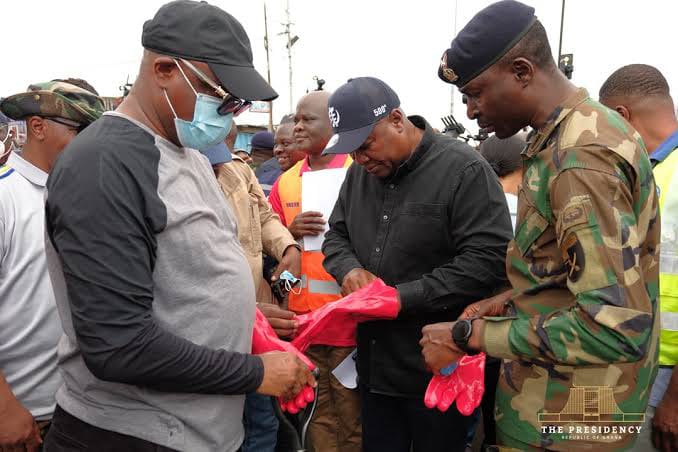
Recent flooding in parts of Ghana has once again brought renewed attention to the country’s sanitation challenges with many citizens calling for sustained efforts to improve waste management and protect lives and property.
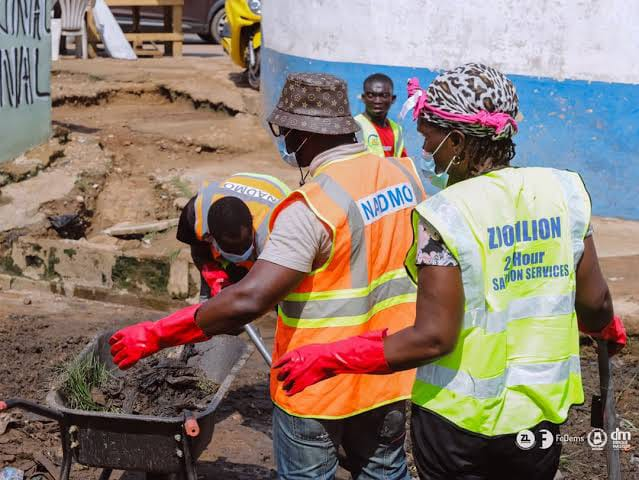
Environmental experts have long linked indiscriminate waste disposal, choked drains and poor sanitation practices to flooding in many urban communities particularly during the rainy season.
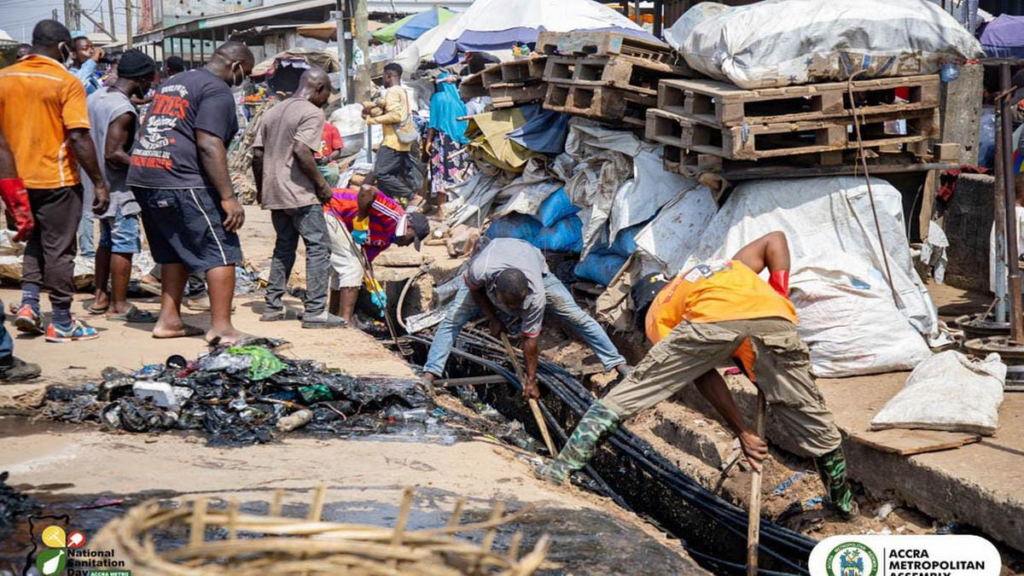
While government agencies and local authorities have undertaken clean-up exercises in affected areas many observers argue that maintaining clean surroundings should become a continuous national responsibility rather than an activity undertaken only after disasters.
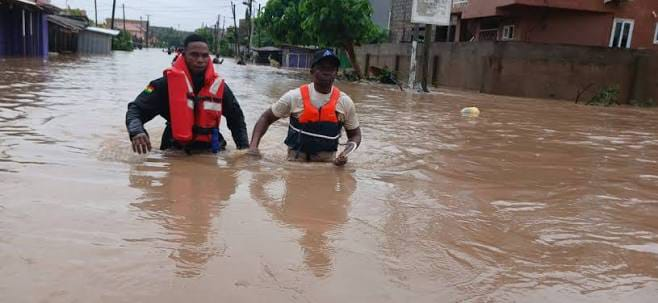
Community-based volunteer organisations have also demonstrated the role citizens can play in promoting environmental cleanliness through regular sanitation exercises and public awareness campaigns. Such initiatives have helped inspire greater civic participation in keeping neighbourhoods clean.
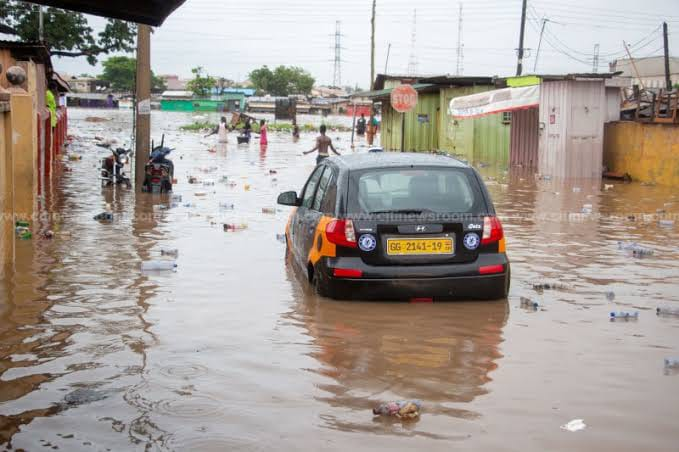
Environmental advocates say preventing floods requires stronger enforcement of sanitation laws, regular desilting of drains, improved waste collection systems and increased public education on proper waste disposal.
Residents are also being encouraged to avoid dumping refuse into gutters and waterways, a practice that significantly contributes to flooding during heavy rainfall.


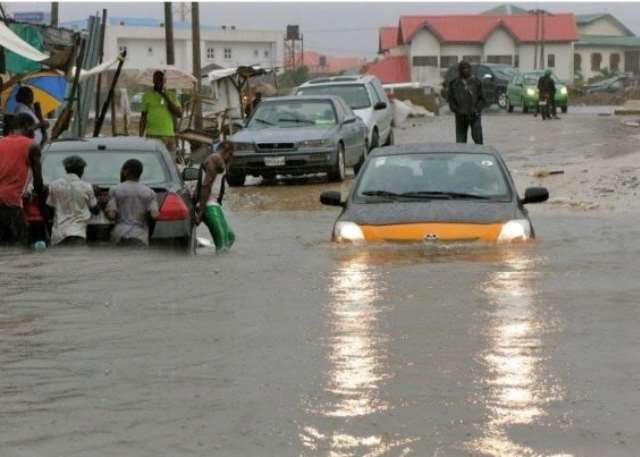
Experts maintain that addressing sanitation challenges is a shared responsibility involving government, local assemblies, businesses, civil society organisations and individual citizens.
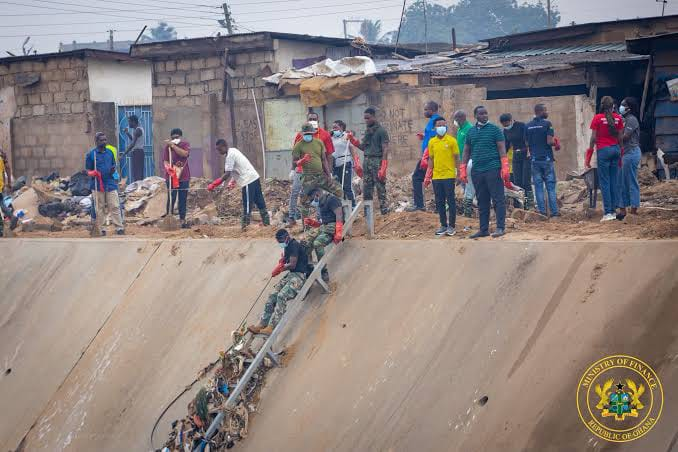
As Ghana continues to strengthen disaster preparedness and environmental management, sustained sanitation efforts and behavioural change remain critical to reducing flood risks and safeguarding communities across the country.
By: Michael Walier
Journalist
Email: [email protected]