






Security Consultant Dr Franklyn Kwesi Biney has tabled a detailed 10-point strategy which he believes, if strictly implemented, could bring a permanent end to the protracted Bawku conflict that has cost the lives of over 300 mostly young men in recent decades.
Dr Biney’s intervention comes amid escalating tensions and rising civilian and military casualties in the Upper East Region town, where ethnic divisions between the Mamprusi and Kusasi groups have proven historically difficult to resolve.
“This conflict has bled our nation far too long,” Dr Biney emphasized in his public release, proposing globally recognized peace-building methods adapted to local realities.
His proposed measures span disarmament, civic education, inter-ethnic dialogue, economic empowerment, and legal reforms—each drawn from successful interventions in post-conflict zones like Rwanda, South Sudan, and Kenya.
According to him, the ongoing militarised approach is not enough without systemic, cultural, and community-based efforts.
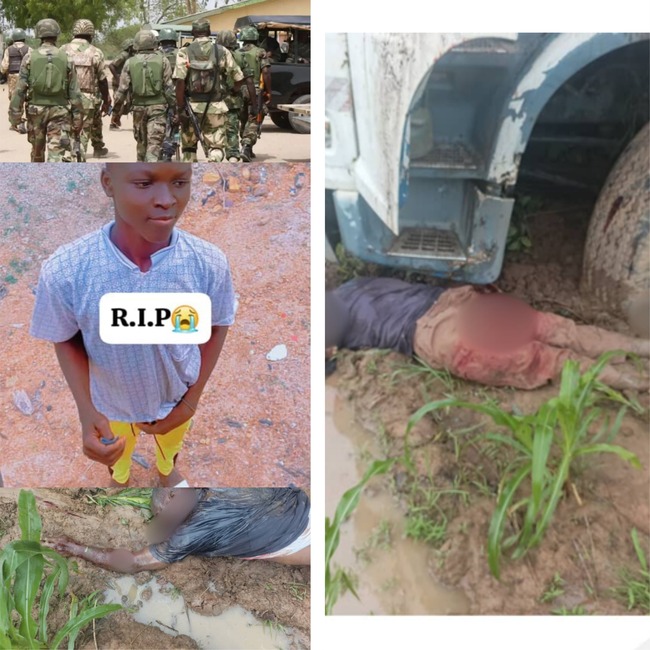
The recent upsurge in tensions was triggered by reports of an altercation between Kusasi youth and military personnel, which allegedly resulted in deadly reprisals.
According to residents, soldiers were accused of conducting a “beating and shooting spree” and controversially pulling down the Kusasi overlord’s statue—a cultural symbol of enormous value to the Kusasi community.
As a form of protest, the Kusasi’s have shut down all government institutions in the area and are demanding the immediate restoration of the statue.
While some Kusasi leaders have condemned the initial attack on soldiers, they have also publicly called out the Ghana Armed Forces for what they described as “unprofessional and disproportionate conduct.”


The tribe have also warned government not to take sides but rather meet the situation on a plain sight.
The Kusasi leadership has further appealed to Otumfuo Osei Tutu II to expedite his mediatory role in the crisis, arguing that without impartial, high-level intervention, the region could slip further into lawlessness.
Full Proposal by Dr Franklyn Kwesi Biney: 10 Globally Informed Strategies for Peace in Bawku
To achieve positive and lasting security and peace in the Bawku conflict, a combination of international best practices, local engagement, and long-term development strategies is needed. Below are globally recognized security and peace-building measures tailored to the context of Bawku:
- Community-Based Security (CBS)
International Example: Used effectively in Kenya and Colombia.
Bawku Application:
- Train and empower community security committees made up of neutral elders, youth, and women.
- Encourage collaboration between traditional leaders and security forces to build trust.
- Deploy community police units that speak local languages and understand the culture.
- Disarmament, Demobilization & Reintegration (DDR)
International Example: Applied in Sierra Leone, Liberia, and South Sudan.
Bawku Application:
- Launch a weapons-for-development initiative where residents trade arms for economic incentives.
- Reintegrate ex-combatants or armed youth into society through vocational training and job creation.
- Inter-ethnic Dialogue and Mediation
International Example: Rwanda’s post-genocide Gacaca Courts and South Africa’s Truth and Reconciliation Commission.
Bawku Application:
- Facilitate neutral dialogue platforms for Mamprusis and Kusasis, led by respected mediators (e.g., eminent chiefs, religious leaders, or regional figures).
- Create an independent Peace and Reconciliation Committee for Bawku.
- Professional, Impartial, and Accountable Security Forces
International Example: UN Peacekeeping reforms and SSR (Security Sector Reform) in post-conflict zones.
Bawku Application:
- Provide special training on conflict sensitivity and human rights to security forces deployed in Bawku.
- Set up a civilian oversight board to report abuses or bias by security personnel.
- Civic Education and Peacebuilding in Schools
International Example: “Peace Education” in post-war Bosnia and Herzegovina.
Bawku Application:
- Integrate peace studies, tolerance education, and inter-ethnic respect into the curriculum of schools in the Upper East Region.
- Launch inter-school peace clubs to promote unity among youth from both ethnic groups.
- Economic Empowerment and Development Projects
International Example: UNDP’s “Peace Through Development” initiative in Mali.
Bawku Application:
- Invest in youth employment schemes, women’s cooperatives, and small-scale farming projects.
- Encourage cross-ethnic business ventures to foster interdependence.
- Early Warning and Response Systems (EWER)
International Example: ECOWAS Warning and Response Network (ECOWARN).
Bawku Application:
- Develop a community-based alert system (radio, SMS, WhatsApp groups) for reporting tensions before violence erupts.
- Train local peace committees to act swiftly upon warning signs.
- Regional and International Monitoring
International Example: AU and ECOWAS peace missions.
Bawku Application:
- Invite ECOWAS or African Union observers to assess peace efforts and advise on mediation processes.
- Ghana can request technical support from UNDP or Peacebuilding Commission to guide the process.
- Legal and Constitutional Resolution
International Example: Customary land disputes legally settled in Uganda and Namibia.
Bawku Application:
- Clarify and legally define chieftaincy and land ownership rights through constitutional means and arbitration.
- Settle the Mamprusi–Kusasi chieftaincy impasse using a respected legal and traditional framework.
- Long-term National Policy on Internal Conflicts
International Example: Kenya’s National Peace Policy.
Bawku Application:
- Ghana should adopt a National Framework for Conflict Resolution with specific attention to recurring ethnic tensions.
- Establish a permanent national peace infrastructure linking local, regional, and national actors.
By Ruth Sekyi – [email protected]