






Ghana is estimated to have lost about $54 billion to illicit financial flows between 2013 and 2022, a situation economist and policy analyst Dr. Peter Terpker describes as deeply troubling.
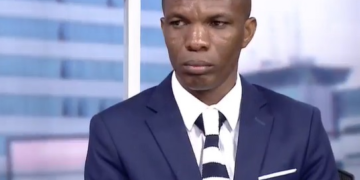
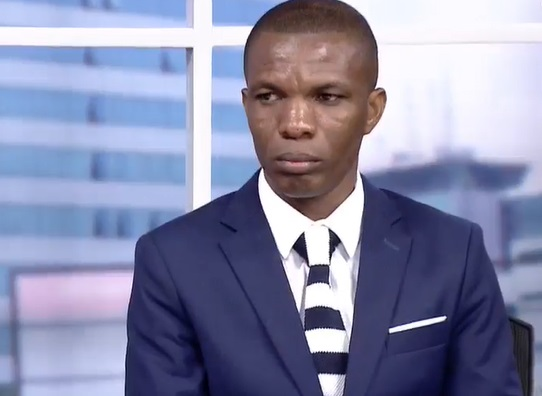
Speaking on ABC In The Morning, Dr. Terpker said the scale of the loss raises serious concerns about the country’s export recording systems, enforcement mechanisms, and political commitment to addressing the problem.
“it’s really Unfortunate” he said, adding that “systems must be fixed to stop human manipulation”.
Ghana’s $54.1 billion loss over the decade was contained in a report by Washington-based think-tank Global Financial Integrity (GFI) titled Trade-Related Illicit Financial Flows in Africa, 2013–2022, placing the country among the top three most affected economies in sub-Saharan Africa, behind only South Africa and Nigeria.
According to the report, trade misinvoicing—the deliberate under- or over-statement of values on Customs invoices—was the dominant channel for illicit capital flight, particularly affecting high-value commodity exporters such as Ghana’s gold, cocoa, and crude oil sectors.
Dr. Terpker explained that discrepancies between Ghana’s recorded exports and what partner countries report point to deep-rooted weaknesses in export controls.
“Either Ghana did not record correctly all the export that we send, either by error or by poor record keeping, or through illicit or what we call smuggling,” he stated.


He stressed that recent findings suggest illegal practices are the primary driver of the gap.
“Now What this report is saying is that, this gap is mainly coming from smuggling or illicit,” he noted.
Dr. Terpker explained that this means goods are being exported outside approved channels, denying the state significant revenue.
“Which means that People are exporting these goods to other countries through different means without following due process” he said, adding, “And as a result they are not paying the right amount they are supposed to pay”.
The GFI report notes that illicit financial flows have far-reaching implications for public services, warning that countries with high losses tend to spend significantly less on health, education, and infrastructure, while becoming more dependent on borrowing.
Against this backdrop, Dr. Terpker emphasized the need for institutional reforms to curb the losses.
“It’s very important we focus on building strong institutions,” he said.
He called for reforms aimed at limiting human interference in trade and revenue systems.
“We need reforms that would make it difficult to be engaged with this,” he stated, adding, “We need to improve our systems to make it difficult for Human Beings to manipulate it”.
While acknowledging that Ghana already has several policies to combat illicit financial flows, he argued that implementation remains the key challenge.
“Ghana has more than enough policies over the years to fight this, What we need now is political will,” Dr. Terpker concluded.