






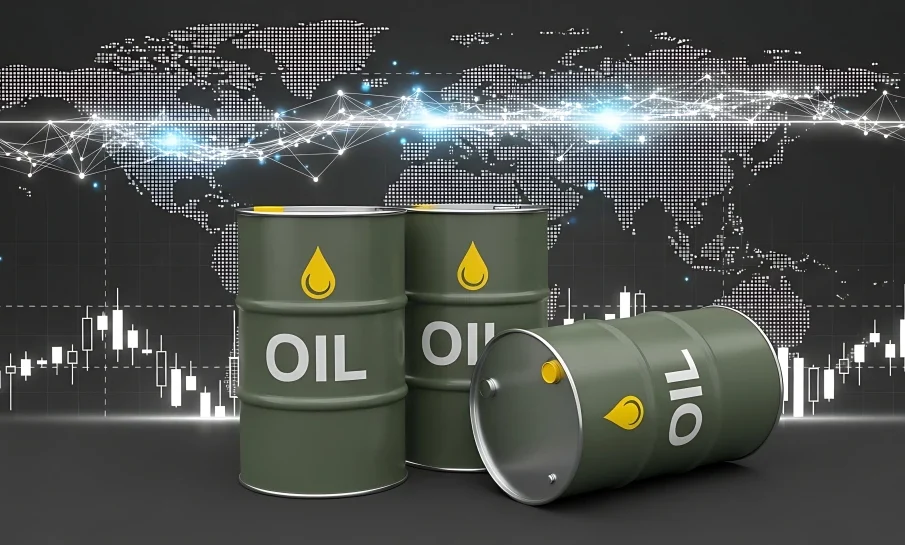
The Group of Seven is considering a coordinated release of hundreds of millions of barrels of crude oil from emergency reserves as global prices surge past $100 per barrel amid escalating geopolitical tensions.
Reports indicate that the proposed intervention could involve the release of between 300 and 400 million barrels of oil from strategic stockpiles held by G7 countries. The move would be coordinated through the International Energy Agency and could represent up to 30 percent of the bloc’s combined emergency reserves.
The proposal is expected to be discussed by G7 finance ministers later today, as policymakers look for urgent measures to stabilize volatile energy markets and contain the economic fallout from rising fuel costs.
A coordinated release on this scale would rank among the largest interventions in global oil markets, designed to ease supply pressures and calm a sharp rally in crude prices triggered by escalating conflict in the Middle East.
Global energy markets have been rattled by the intensifying confrontation involving the United States, Israel, and Iran, which has disrupted key shipping routes in the region.
The crisis has effectively paralyzed the Strait of Hormuz—a narrow but critical waterway through which about 20 percent of the world’s oil supply normally passes. The disruption has left significant volumes of crude stranded in the Persian Gulf and heightened fears of a prolonged supply shock.
Major producers in the region, including Iraq, Kuwait and the United Arab Emirates, are also reportedly beginning to shut in production as storage capacity fills up due to limited export routes.
Benchmark crude prices have reacted sharply to the disruption. Brent crude surged above $114 per barrel on Monday, marking the first time prices have reached that level in nearly four years and representing a single-day jump of more than 25 percent.


Energy analysts warn that if the disruption in the Strait of Hormuz persists, oil prices could climb toward $150 per barrel, potentially triggering wider economic shocks.
The surge has already unsettled global financial markets, with import-dependent economies feeling the immediate impact. Meanwhile, the outcome of the G7 finance ministers’ discussions later today is expected to signal how aggressively major economies are prepared to intervene to stabilize the global energy market.