






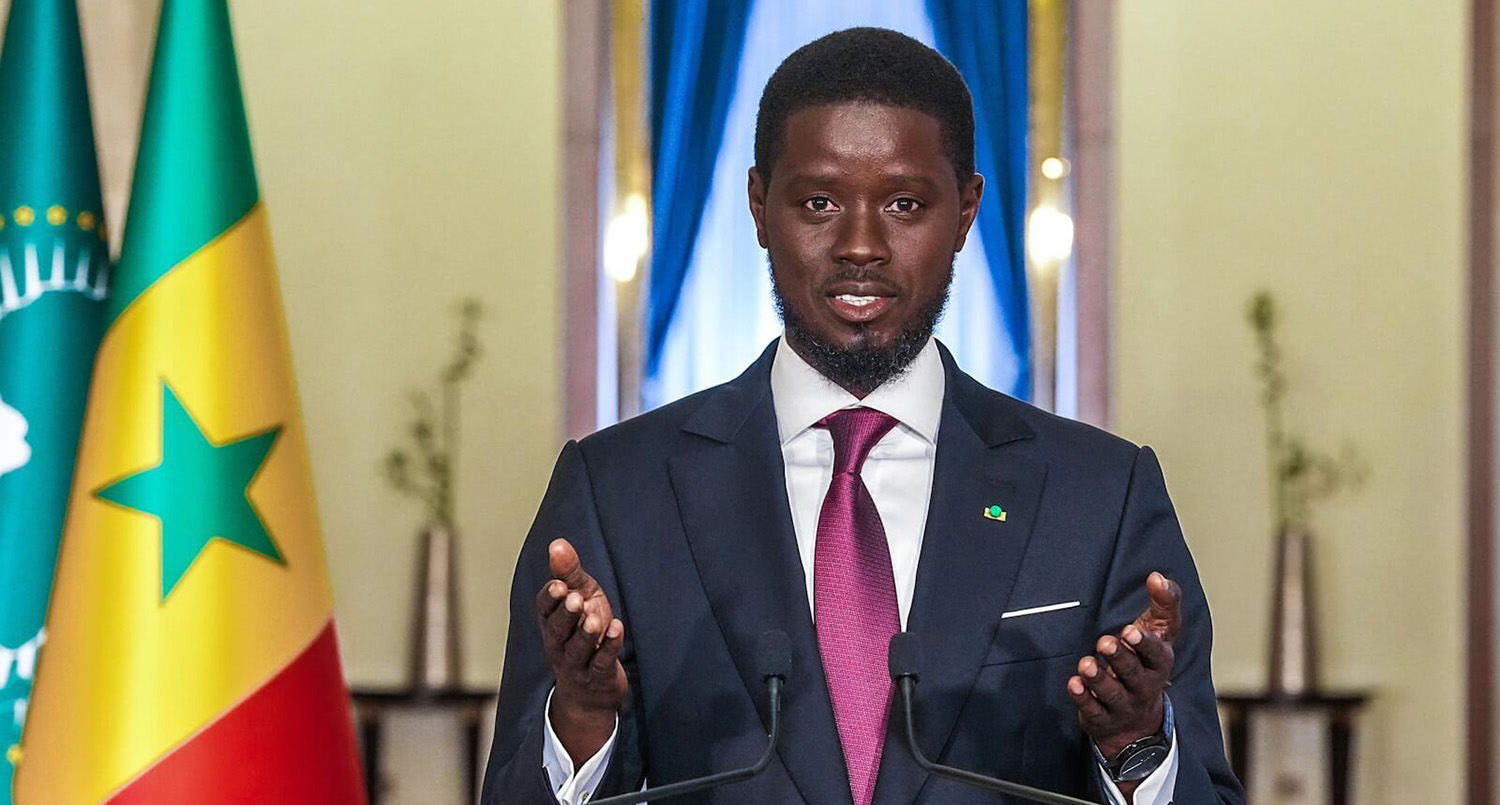
Senegal has significantly toughened its stance on same-sex relations after President Bassirou Diomaye Faye signed a new law doubling prison sentences and expanding penalties targeting the LGBTQ community.
The legislation, signed on March 30 and published in the country’s official journal the following day, increases the maximum jail term for same-sex relations from five to 10 years. The law was passed earlier in March by an overwhelming majority in the National Assembly.
Under the revised provisions, individuals found guilty of what the law describes as “acts against nature” — a term used to refer to same-sex relations — now face between five and 10 years in prison, alongside significantly increased fines ranging from two million to 10 million CFA francs.
The law goes further by criminalising those accused of promoting or financing same-sex relationships, prescribing prison terms of three to seven years for such offences.
Reacting to the development, United Nations High Commissioner for Human Rights Volker Turk described the legislation as “deeply worrying,” stating that it “flies in the face of the sacrosanct human rights”.
The passage of the law comes amid a broader crackdown. Media reports indicate that dozens of men have been arrested since February, including a group of 12 individuals — among them two local celebrities — in what marked the beginning of a wave of detentions. Many arrests have reportedly been based on accusations and phone searches, with detainees’ identities often made public.
In a notable provision, the new law also penalises individuals who accuse others of same-sex conduct “without proof,” a clause that appears aimed at curbing false allegations.
Lawmakers approved the bill on March 11 after several hours of debate, with 135 votes in favour, none against, and three abstentions. The harshest penalties apply in cases involving minors.
The legislation also reflects longstanding political and social pressures within Senegal. Prime Minister Ousmane Sonko, who presented the bill to parliament, had previously pledged to criminalise same-sex relations more severely, although the offence remains classified as a misdemeanour under the new framework.


Advocacy group ILGA World had urged President Faye not to sign the bill, calling instead for “respect for individual liberty and the human person”.
In Senegal, a predominantly Muslim country, LGBTQ rights remain a deeply contentious issue. Religious groups have repeatedly staged demonstrations calling for stricter laws, often framing LGBTQ advocacy as an attempt by Western actors to impose foreign values.
The new law underscores a hardening position by authorities, even as international rights organisations raise concerns over its implications for human rights and civil liberties.
Source: France 24