






The United States has announced a temporary, time-limited travel restriction targeting specific non-citizen arrivals from Ebola-affected regions in Central and East Africa, as part of what health authorities describe as a proactive effort to strengthen domestic preparedness and prevent potential importation of the virus.
The measure, issued under emergency public health powers by the U.S. Centers for Disease Control and Prevention (Centers for Disease Control and Prevention), comes in response to a reported uptick in Ebola cases linked to the Bundibugyo virus strain in parts of the Democratic Republic of the Congo and Uganda, with additional concern over high-risk movement through neighboring South Sudan.
30-Day Entry Suspension for High-Risk Travelers
Under the directive, entry is temporarily suspended for certain non-U.S. travelers who have been present in affected or high-risk countries within the past 21 days. The restriction, however, is narrowly tailored and does not amount to a full travel ban.
U.S. citizens, nationals, and lawful permanent residents remain fully permitted to enter the country, alongside members of the U.S. Armed Forces, government personnel stationed abroad, and their immediate families.
The CDC says the objective is to reduce pressure on domestic screening and quarantine systems while maintaining the capacity for targeted surveillance and response.


Public Health Rationale and System Capacity
Officials say the 30-day window is intended to give federal and local health systems breathing space to manage incoming risk more efficiently and focus resources on travelers most likely to require monitoring during the Ebola incubation period, which can last up to 21 days.
As part of the justification, a senior public health official emphasized the need for focused monitoring capacity, stating:
“By focusing monitoring efforts on a significantly smaller and more traceable group of travelers, authorities can ensure highly rigorous, comprehensive exposure assessments and rapid medical isolation if anyone becomes symptomatic during the virus’s 21-day incubation period.”
Interagency Coordination and Enforcement
The policy has been coordinated across multiple federal agencies, including the Department of Homeland Security (United States Department of Homeland Security), the Department of State, and airport and border authorities.
Operational plans have already been prepared for enforcement at major U.S. international entry points, including airports in New York (JFK), Washington (IAD), Atlanta (ATL), Chicago (ORD), and Los Angeles (LAX), where enhanced screening procedures will be reinforced.
The CDC also noted cooperation with international partners such as the World Health Organization (World Health Organization) and Africa CDC (Africa Centres for Disease Control and Prevention), who are currently supporting outbreak containment efforts on the ground in affected African regions.
Global Health Context and Next Steps
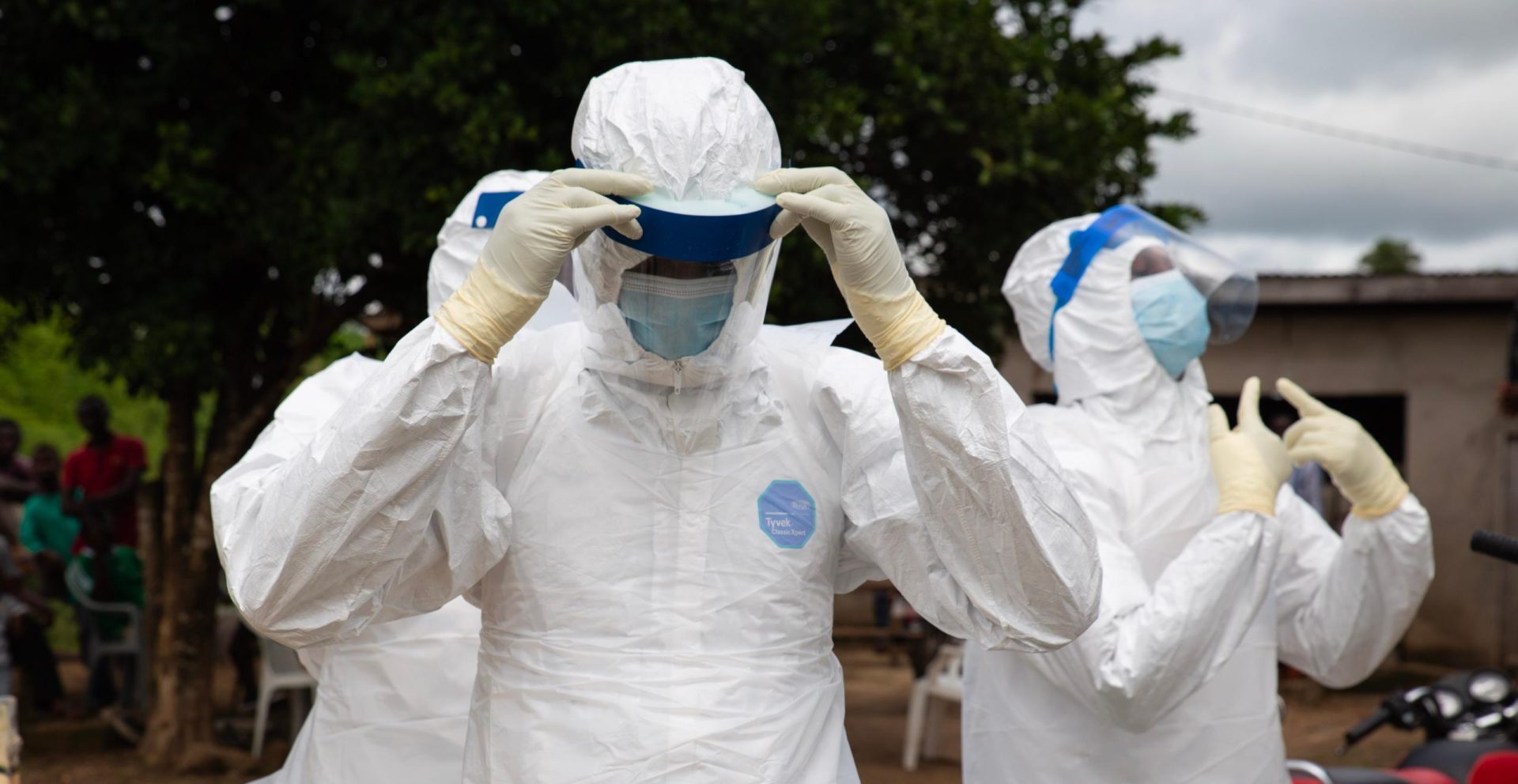
The move comes amid renewed concern over the spread of Ebola virus disease (Ebola), a severe and often fatal illness requiring intensive containment measures and rapid response protocols.
According to U.S. authorities, the temporary restrictions will allow time to reassess transmission risks associated with the Bundibugyo strain, enhance domestic laboratory readiness, and refine surveillance systems.
Over the next month, federal health experts are expected to conduct a comprehensive risk evaluation, strengthen diagnostic capacity, and coordinate with global health partners to develop longer-term mitigation strategies.
In addition, the CDC has launched a parallel 30-day public comment period, inviting input from stakeholders and the general public as part of efforts to shape a more durable and inclusive public health response framework.