






Ghana’s political landscape is set for a major transformation after the Supreme Court ruled that all registered members in good standing of political parties must be allowed to participate in the election of party leaders and candidates.
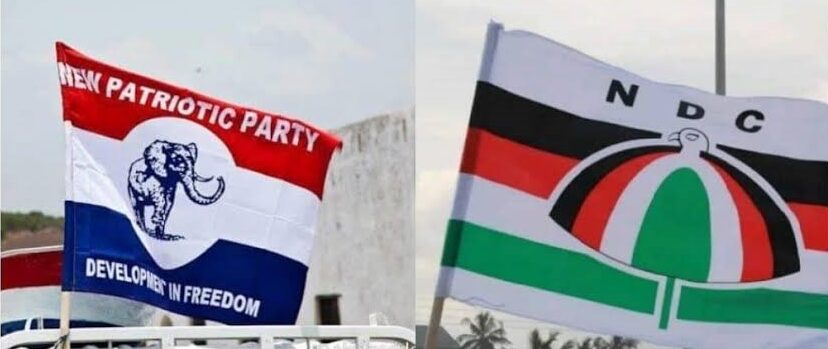
The landmark 5–2 majority decision effectively overturns the long-standing delegate-based electoral system used by major political parties, including the New Patriotic Party (NPP), National Democratic Congress (NDC) and the Convention People’s Party (CPP), and paves the way for a “one member, one vote” model.
The ruling is expected to significantly alter how political parties conduct presidential, parliamentary and executive primaries, with millions of party members potentially gaining direct voting rights in future internal elections.
A seven-member panel of the Supreme Court delivered the judgement on Wednesday, July 29, following a constitutional challenge over whether restricting voting rights to selected delegates was consistent with Ghana’s democratic principles.
The case was brought by former Minister for Environment, Science, Technology and Innovation, Professor Kwabena Frimpong-Boateng; veteran politician Dr Nyaho Nyaho-Tamakloe; and former Lands and Forestry Minister, Dr Christine Amoako-Nuamah.
The plaintiffs argued that the delegate system excluded the majority of party members from directly participating in decisions that determine party leadership and candidates.


They maintained that political parties, which are recognised under Article 55 of the 1992 Constitution, are required to operate in line with democratic values, including equal participation and universal suffrage.
For decades, Ghana’s leading political parties have relied on electoral colleges made up of selected party executives, constituency officers and accredited delegates to choose presidential candidates, parliamentary candidates and national executives.
Under that arrangement, ordinary party members were largely limited to supporting candidates at the grassroots level without having a direct vote in key internal elections.
The plaintiffs contended that the system created an imbalance by giving electoral power to a small group while denying similar rights to other registered members.
The Attorney-General’s Department supported the challenge and urged the Supreme Court to adopt a “one member, one vote” approach.
The state argued that political parties perform an important role in Ghana’s democratic system and that their internal structures must reflect constitutional principles of equality, participation and universal suffrage.
According to the Attorney-General, extending voting rights to all registered members would promote accountability, strengthen internal democracy and ensure broader participation in party affairs.
The Supreme Court’s decision now places pressure on political parties to review their constitutions and electoral structures to align with the new constitutional interpretation.
The ruling could have far-reaching consequences for future party contests, particularly presidential primaries, where the outcome has traditionally been determined by a relatively small number of delegates.
The plaintiffs had among their reliefs declarations that the delegate systems contained in the constitutions of the NPP, NDC and CPP were unconstitutional, and orders compelling the parties to amend their structures to allow equal and direct participation by all members in good standing.
They also sought directives requiring the Electoral Commission to ensure that political party constitutions comply with the democratic requirements of the Constitution and the Political Parties Act.
The judgement marks one of the most significant interventions in Ghana’s political party administration, with its full impact expected to emerge as parties prepare for future internal elections.