






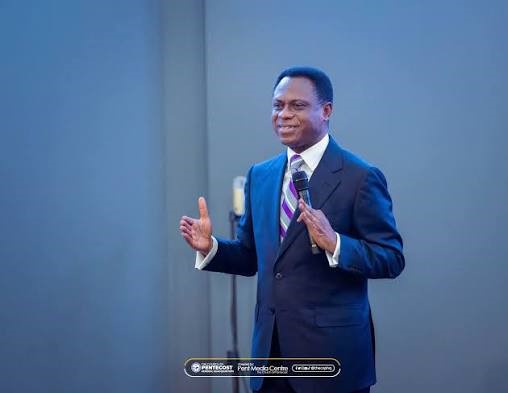
The Chairman of The Church of Pentecost, Apostle Eric Nyamekye, has recounted a harrowing experience in South Africa, where he said he narrowly escaped death after being confronted by armed robbers.
Apostle Nyamekye disclosed that he spent approximately six years in South Africa and personally encountered some of the security challenges faced by foreign nationals living in the country.
He made the revelation when the Minister for Foreign Affairs, Samuel Okudzeto Ablakwa, paid a courtesy call on him at the headquarters of The Church of Pentecost at La in Accra.
According to Apostle Nyamekye, he was attacked by armed robbers on two separate occasions during his stay, with the second incident putting his life at serious risk.
“I lived in South Africa for about six years and I suffered a lot from some of these things. I almost died in South Africa. Two times, I was accosted by armed robbers. The last one was too dangerous. When I was leaving South Africa, my luggage was stolen.
“And then recently, I had to rush to South Africa, about a year plus ago, when our national deacon was kidnapped in the midst of an offering and I had to rush to South Africa. I was the right person to go, not because I was a chairman, but because they knew that I have also suffered from some of these things so I needed to go in there and speak.”
He explained that his personal encounters with crime and insecurity had strengthened his understanding of the difficulties confronting Ghanaians and other foreign nationals in South Africa.
Apostle Nyamekye also recalled travelling to the country following the kidnapping of a national deacon of The Church of Pentecost during a church offering. He said his previous experiences in South Africa informed his decision to personally intervene in the matter.


His comments come amid renewed concerns over attacks and other forms of violence targeting foreign nationals in South Africa.
Some of the incidents have involved attacks on foreign-owned businesses and the destruction of property, while others have raised concerns about the safety and livelihoods of migrants, including Ghanaians living in the country.