






Interior Minister, Mohammed-Mubarak Muntaka, has disclosed that about 1,300 applicants who took part in the latest security services recruitment exercise tested positive for HIV during mandatory medical examinations.
According to the Minister, the results formed part of a wider medical assessment conducted after more than 100,000 applicants advanced to the screening stage following the aptitude test.
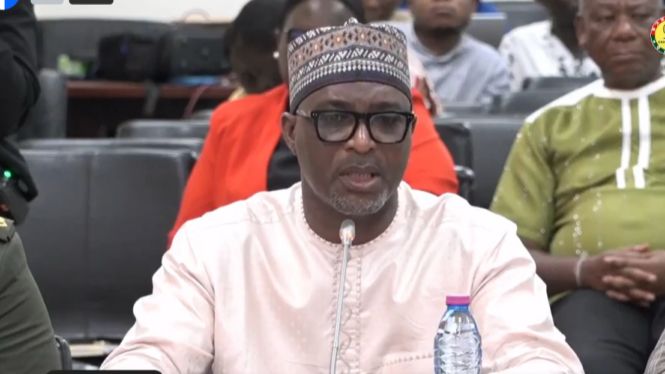
Speaking before Parliament’s Public Assurance Committee, Mr Muntaka explained that the government decided against sending medical results directly to unsuccessful applicants because sensitive diagnoses require proper counselling and guidance.
He said applicants who fail the medical assessment are instead given channels to request their results and are taken through the necessary process before being informed of the specific medical reasons for their disqualification.
“I remember the recent recruitment we had. I think about 1,300 also were on HIV. Can you imagine sending somebody a result telling the person that you have HIV? That’s not the procedure. The person has to go through some orientation,” he said.
The Minister stressed that the screening exercise was not only aimed at determining eligibility for recruitment but also helped applicants discover health conditions they might not have been aware of.
He noted that some of the conditions detected, including HIV and hepatitis B, are manageable with proper treatment and medical support.
“Some of the things that we realised are treatable. People need to know and then also get treatment so that subsequent recruitment they could join,” he stated.
Mr Muntaka further disclosed that the medical checks identified other conditions, including cardiac-related issues, mental health concerns, previous major surgeries and drug-related problems.


He encouraged applicants who were unsuccessful at the medical stage to contact the recruitment authorities to understand the reasons behind their disqualification, stressing that knowing one’s health status can help in seeking timely care.
“It may be something minor, it may be something major. Whichever it is, if you get to know, it will be of great interest to you,” he said.
The Minister’s comments followed concerns from members of the Committee over whether applicants diagnosed with HIV had been directly informed of their status.
Mr Muntaka said the government had not contacted applicants individually but had provided avenues for those interested in receiving their medical results to come forward.
“We provided contact for people to call who were interested in knowing why they failed… We are obliged to give them the results, but we can’t send them to you on the phone,” he explained.
Some Committee members, however, urged the Ministry to consider a more proactive approach to counselling applicants who receive HIV-positive results, arguing that early awareness and treatment could improve health outcomes.
Mr Muntaka maintained that the current process was designed to protect applicants’ privacy while ensuring that medical information is communicated responsibly and in line with accepted health protocols.