



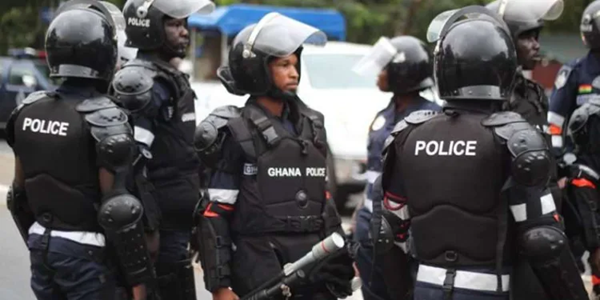
Security Analyst Dr. Kwesi Biney has penned down some underlining factors which could have led to the tragic decision of a Police Officer to take his own life while on duty.
The police officer stationed at Duayaw-Nkwanta in the Tano North Municipality of the Ahafo Region has allegedly taken his own life while on duty.
The incident occurred on Thursday, September 4, 2025, at the Duayaw-Nkwanta charge office around 5:30 p.m.
The officer, identified as 40-year-old Sergeant Brown, who was married and a father of two, reportedly shot himself.
The Ahafo Regional Police Command have since begun investigations into the case.
Dr. Kwesi Boney writes;
Police officers often face a unique set of stressors that expose them to higher risks of psychological imbalance and, in extreme cases, suicide. The problem stems from both the nature of the work and the systems surrounding policing. Let’s break it down,this in relation to the recent suicide Committed by a police officer in Duyaw Nkwanta in Bron Ahafo.
Why Police Officers Become Entangled with Psychological Imbalance
- Exposure to Trauma:
Frequent encounters with violent crimes, road accidents, death, and human suffering create cumulative trauma.
Repeated exposure without proper debriefing builds into post-traumatic stress disorder (PTSD).
2. Chronic Occupational Stress:


Long working hours, irregular shifts, and unpredictable dangers place the mind under constant alertness.
This disrupts sleep cycles, decision-making, and emotional balance.
3. Organizational Pressures:
Bureaucratic demands, inadequate promotions, lack of recognition, and poor leadership affect morale.
A sense of being undervalued can lead to hopelessness.
4. Isolation & Stigma:
Police culture often discourages vulnerability. Officers fear ridicule or career setbacks if they admit mental health struggles.
This stigma drives many to suffer in silence.
5. Access to Lethal Means:
Firearms, which are essential to policing, become the easiest instruments of suicide during breakdowns.
5. Personal Life Strains:
Irregular schedules strain family relationships. Divorce, financial stress, and loneliness can worsen emotional instability.
Recommendations to Avert This Predicament
- Comprehensive Mental Health Programs:
Regular psychological screening and counseling for officers.
Confidential mental health hotlines tailored for security services.
2. Peer Support Systems:
Train selected officers as peer counselors to provide immediate listening ears.
Create safe spaces where officers can share experiences without judgment.
3. Critical Incident Debriefing:
After traumatic events (shootouts, accidents, disasters), mandatory debriefings should be held to process emotions.
4. Stress Management & Resilience Training:
Incorporate mental fitness and stress-control techniques (mindfulness, controlled breathing, guided therapy) into police training.
5. Leadership & Organizational Reform:
Encourage supportive supervision.
Policies should ensure fair promotions, recognition, and proper workload distribution.
6. Family & Social Support:
Family counseling units within the police service to strengthen home resilience.
Programs encouraging work-life balance.
7. Restricting Easy Access to Weapons in Crisis:
Officers undergoing mental health reviews should be temporarily reassigned to non-armed duties.
8. National Dialogue on Police Mental Health:
Normalize conversations about stress in law enforcement through workshops, media, and policy frameworks.
In short: The issue is not weakness, but the weight of cumulative trauma without relief. Prevention lies in building a supportive policing culture where mental wellness is treated with the same seriousness as physical fitness.
By Dr Kwesi Biney, Security Analyst/Consultant