






Ghana is expected to face renewed pressure on fuel prices after Iran’s Islamic Revolutionary Guard Corps (IRGC) announced on Sunday the closure of the Strait of Hormuz, a strategic global oil transit route, amid escalating tensions with the United States.
“The Strait of Hormuz is closed until further notice and until the end of America’s interventions in the region, and no vessel will be permitted to pass through,” the IRGC said.
The announcement by Iran’s Islamic Revolutionary Guard Corps (IRGC) has heightened concerns across global energy markets, with analysts warning that prolonged disruptions to tanker movements through the strategic waterway could significantly increase crude oil and refined fuel prices.
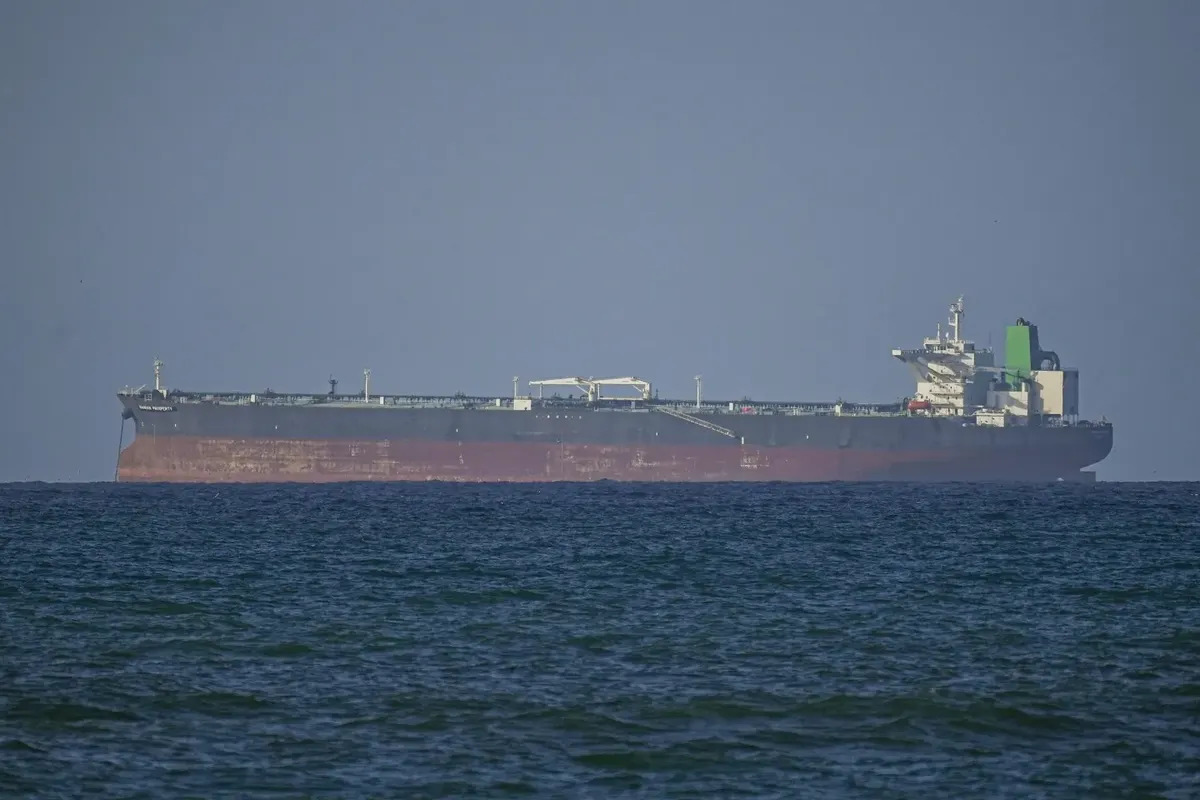
Although reports indicate that some shipping lanes remain accessible, commercial vessel traffic through the strait has dropped sharply as shipowners and insurers seek to avoid the growing security risks in the region.
The Strait of Hormuz carries around one-fifth of the world’s oil supply, making it a critical route for global energy trade. Any sustained disruption is expected to tighten supply and push prices upward.


International financial institutions have already projected a sharp rise in oil prices if the standoff continues. Analysts at JPMorgan estimate Brent crude could climb to between $120 and $130 per barrel in the near term, with prices potentially reaching $150 should the disruption persist for several weeks.
For Ghana, the consequences could be significant despite the country being an oil producer.
While Ghana exports crude oil, it imports the overwhelming majority of the refined petroleum products consumed locally. As a result, increases in global fuel prices are often transmitted directly to the domestic market.

Data from 2024 show Ghana produced about 206,000 barrels of crude oil per day and generated approximately $3.87 billion from crude exports. However, the country spent about $4.48 billion importing refined petroleum products, leaving it with a net oil import deficit.
Local refining capacity also remains limited, with only a small fraction of the country’s fuel demand processed domestically, making Ghana heavily dependent on imported petrol and diesel.
The impact of previous oil price increases has demonstrated how quickly global developments can affect consumers. Earlier this year, rising crude prices contributed to increases in pump prices, which were later followed by higher transport fares and increased costs for goods and services.
Economists caution that another sustained rise in fuel prices could add pressure to inflation, particularly through transport and food costs, after recent gains in stabilising consumer prices.
However, Ghana may have some buffers to cushion the impact.
The cedi has strengthened considerably against the US dollar in recent months, helping to reduce the cost of imported goods, including fuel. In addition, the country’s foreign exchange reserves remain relatively healthy, providing authorities with some capacity to manage external shocks.
Higher global gold prices could also work in Ghana’s favour. As one of the country’s leading export commodities, gold typically gains value during periods of geopolitical uncertainty, potentially boosting export earnings and supporting foreign exchange inflows.
Nevertheless, the extent of the impact on Ghana will largely depend on how long tensions in the Gulf persist. A brief disruption may result in only temporary increases in fuel prices, but a prolonged blockade could trigger further adjustments at the pumps, increase transportation costs and place renewed pressure on inflation and the local currency.