






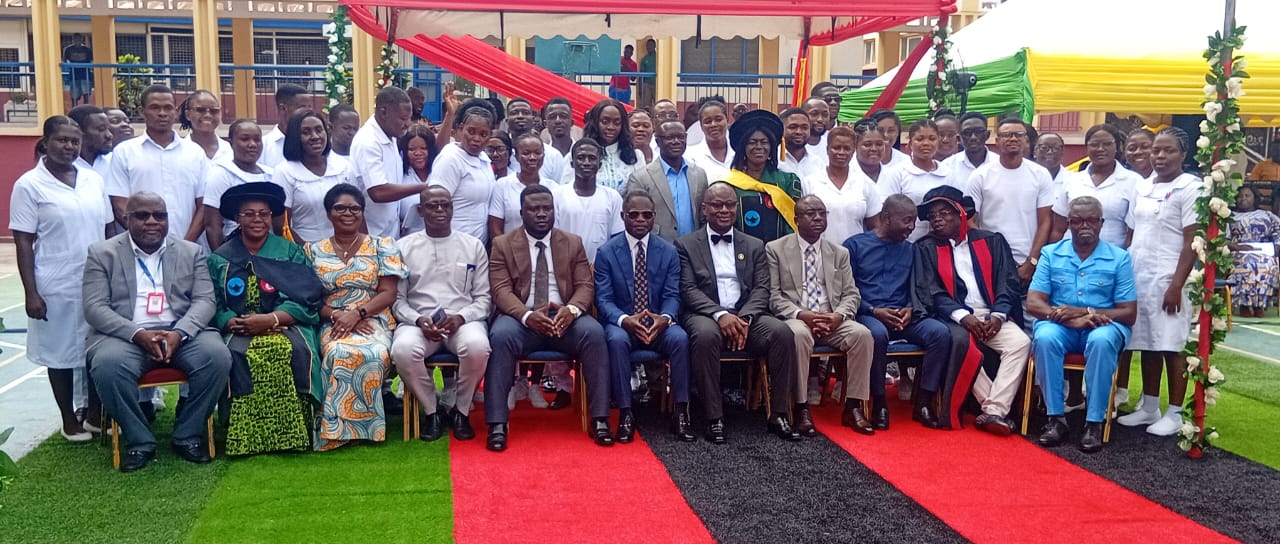
The first cohort of students admitted into five newly introduced specialised nursing programmes at the Kumasi Nursing and Midwifery Training College, has been officially matriculated in Kumasi marking a major milestone in Ghana’s efforts to strengthen specialised healthcare delivery and build a highly skilled nursing workforce.
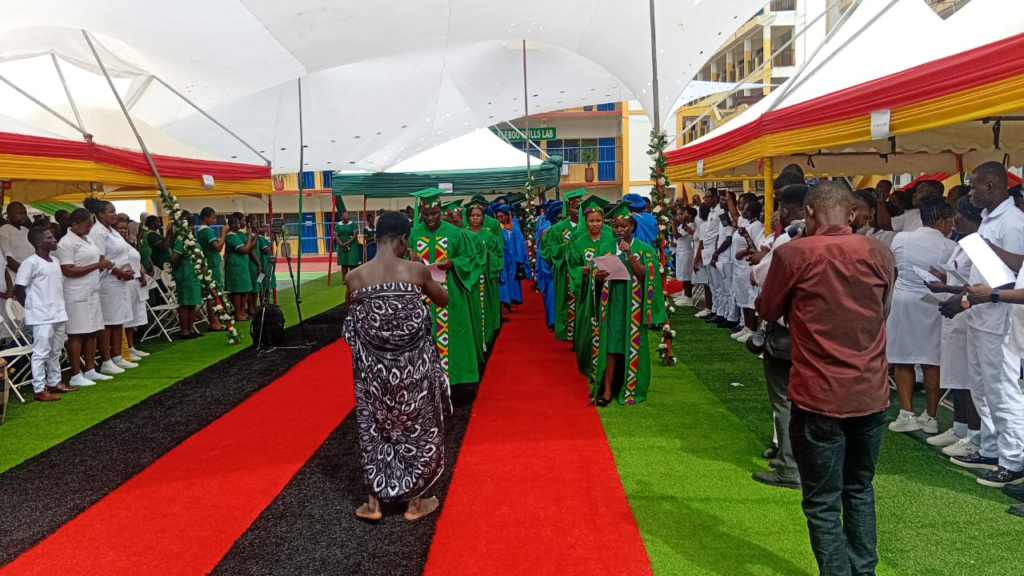
The matriculation ceremony formally welcomed the students into programmes designed to equip nurses with advanced knowledge and expertise to manage complex health conditions and respond effectively to the changing needs of the healthcare sector.
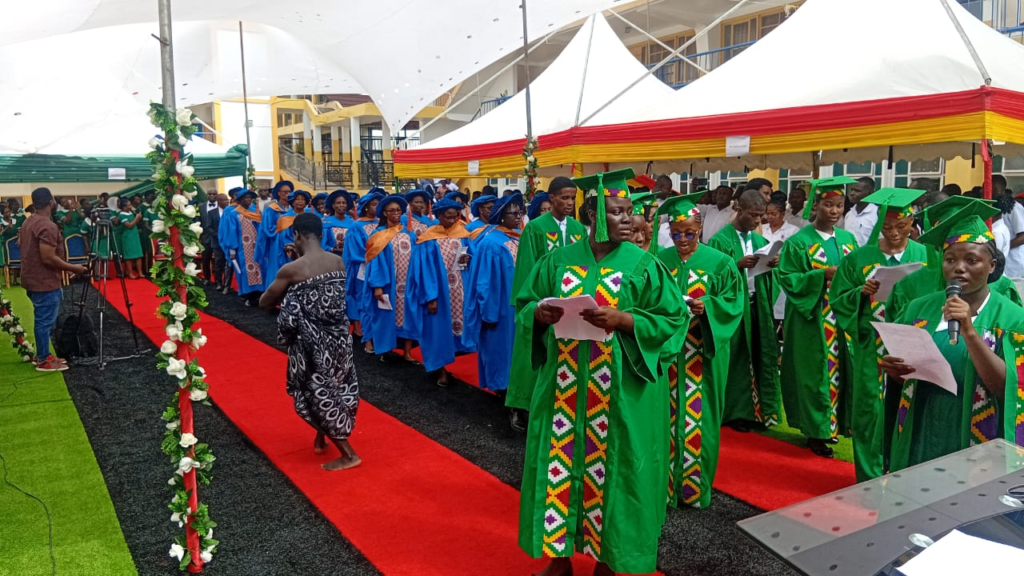
The ceremony brought together the Minister of Health: Hon. Kwabena Mintah Akandoh, Ashanti Regional Minister; Dr. Frank Amoakohene, the Principal of the ENT Nursing School, Kumasi; Mrs. Mercy Berlins Beyuo, Principal of the institution; Dr. David Ben Sampson, representatives from the Nursing and Midwifery Council of Ghana, health sector stakeholders, nursing educators, students and development partners.

The newly introduced post basic specialised nursing programmes include Cardiology Nursing, Endocrinology Nursing, Critical Care Nursing, Oncology Nursing and Nephrology Nursing.
Addressing the gathering, the Minister of Health, Hon. Kwabena Mintah Akandoh described the occasion as a significant milestone in Ghana’s healthcare transformation agenda.
He said the introduction of the specialised nursing programmes would help bridge critical skills gaps in the health sector by producing specialist nurses with advanced competencies to manage complex medical conditions and improve patient outcomes.
The Minister acknowledged that establishing the programmes came with challenges but stressed that government remained committed to investing in human resource development to strengthen healthcare delivery.
He commended President John Dramani Mahama for the leadership and support towards the implementation of the initiative, describing it as an important investment in Ghana’s future healthcare system.
Hon. Akandoh explained that Ghana has over the years received requests for specialised healthcare professionals but has often been limited by inadequate local training opportunities.
He expressed confidence that the programmes would strengthen healthcare delivery within Ghana while positioning the country to produce highly skilled specialist nurses capable of contributing to the wider health sector.
He further disclosed that government is pursuing partnerships with other countries to create opportunities for advanced training, professional exchange and collaboration for Ghanaian nurses.
The Minister added that government would continue investing in training institutions, infrastructure and the capacity of nursing tutors to sustain specialised nursing education.


He also announced plans to enrol at least 1,000 nurses annually into specialised training programmes over the next three years as part of efforts towards achieving Universal Health Coverage.
The Principal of the ENT Nursing School, Kumasi, Mrs. Mercy Berlins Beyuo, highlighted the importance of specialised nursing education in strengthening Ghana’s response to emerging healthcare challenges.
She noted that conditions such as cancer, cardiovascular diseases, diabetes and kidney disorders continue to require a stronger specialist healthcare workforce.
The Principal of the institution, Dr. David Ben Sampson, expressed appreciation to government, the Ministry of Health, partners and stakeholders for supporting the establishment of the programmes.
He announced that 145 students had been admitted into the five specialised nursing disciplines and explained that the two year programme combines academic instruction with professional training.
Dr. Sampson said the programme would produce competent specialist nurses capable of meeting Ghana’s evolving healthcare needs.
He appealed for further support in areas including infrastructure, transportation, ICT facilities and other resources needed to enhance teaching and learning.
The Ashanti Regional Minister, Dr. Frank Amoakohene, urged the students to embrace innovation while maintaining the compassion, ethics and professionalism that define the nursing profession.
He stressed that although technology continues to transform healthcare delivery, empathy, kindness and the human touch remain essential in patient care.
Representatives from the Nursing and Midwifery Council of Ghana were also present at the ceremony.
The specialised nursing programmes are affiliated with the University of Cape Coast and upon successful completion, students will receive the relevant professional and academic certification.
The ceremony marks another important step in expanding specialised nursing education, strengthening Ghana’s healthcare workforce and improving access to quality healthcare services.
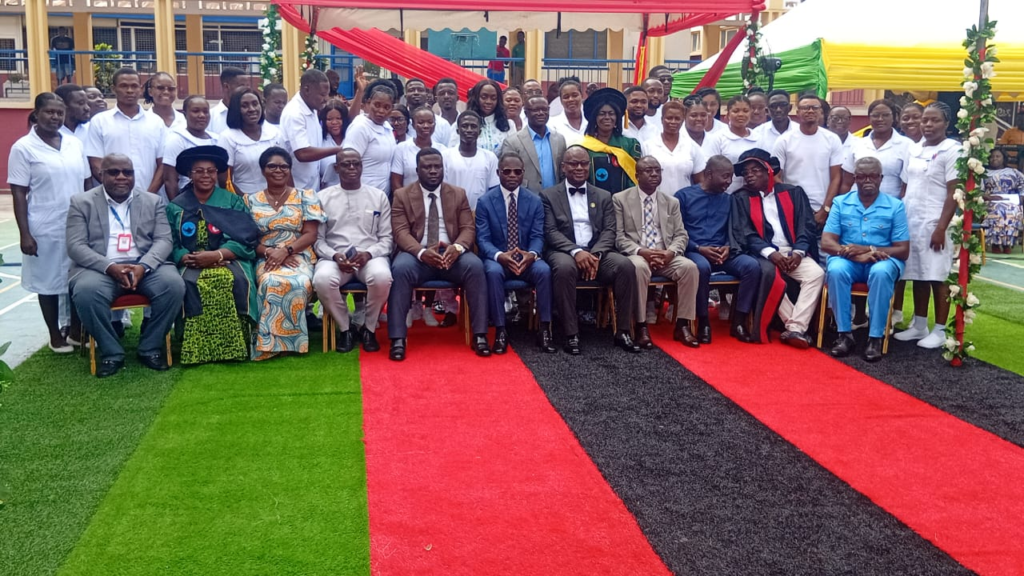
Stakeholders expressed optimism that continued investment in specialised training, infrastructure and professional development will contribute significantly to the transformation of Ghana’s healthcare system.
By: Michael Walier