






Rescue and recovery efforts remain ongoing across parts of the Greater Accra Region following the devastating floods triggered by torrential rainfall earlier this week, as authorities work to support affected communities and assess the full extent of the disaster.
The heavy downpour, which inundated several communities in Accra and Tema on Monday, claimed at least 12 lives, displaced thousands of residents and left widespread destruction in its wake.
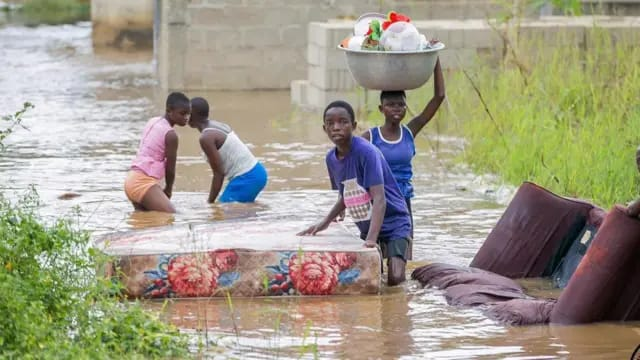
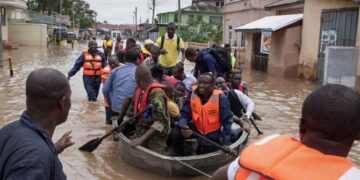
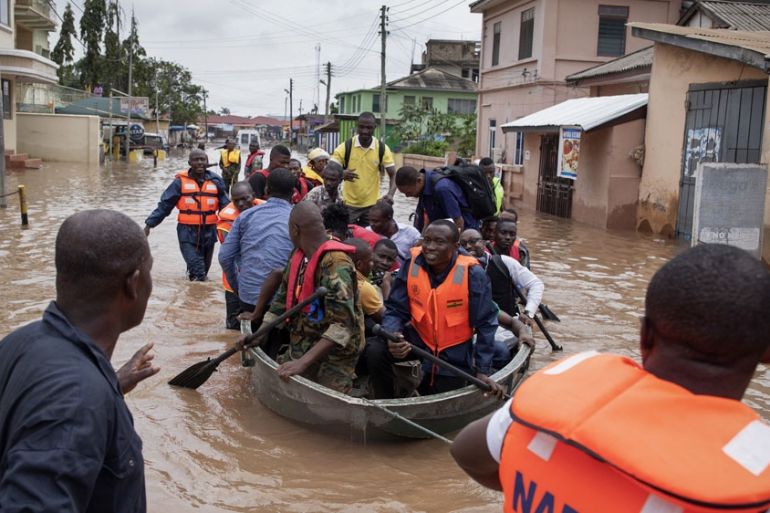
Emergency response teams, including personnel from the Ghana National Fire Service (GNFS), the National Disaster Management Organisation (NADMO), the Ghana Armed Forces and other security agencies, have carried out extensive rescue operations, assisting hundreds of stranded residents and evacuating those trapped by rising floodwaters.
Government officials say more than 38,000 people have been affected by the floods, with over 7,700 households displaced. Temporary relief efforts are underway as authorities continue providing emergency assistance to victims while conducting detailed damage assessments.
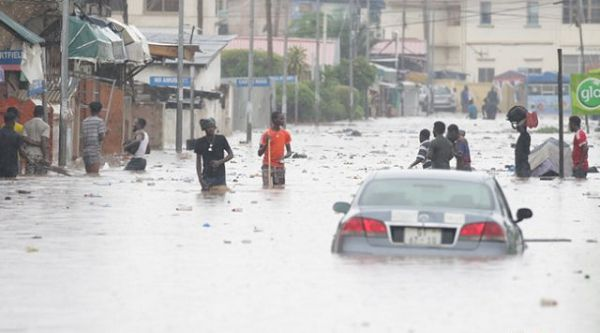
Several major roads, homes, businesses and public infrastructure were submerged, causing severe traffic disruptions and significant economic losses. Many residents have now begun the difficult task of cleaning their homes and salvaging property damaged by the floodwaters.
The disaster has once again drawn attention to Ghana’s recurring flooding challenge. Urban planners and environmental experts have long identified poor drainage systems, indiscriminate waste disposal and construction on waterways as major contributors to flooding in the capital during the rainy season.
The Ghana Meteorological Agency has advised the public to remain vigilant as the rainy season continues, while disaster management officials have urged residents in flood-prone communities to heed safety warnings and relocate whenever necessary.
As affected families begin rebuilding their lives, many Ghanaians are calling for greater investment in drainage infrastructure, stricter enforcement of planning regulations and sustained public education to reduce the impact of future floods.


By Michael Walier | ABC News Ghana
Email: [email protected]