







Financial Analyst Richmond Akpah says Ghana’s relationship with the International Monetary Fund (IMF) has shifted from one of dependence to partnership following progress made under the country’s economic recovery programme.
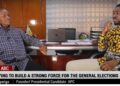
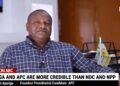
Speaking on ABC In The Morning on Monday, July 27, 2026, Mr Akpah said the achievements highlighted in the 2026 Mid-Year Budget Review demonstrate that Ghana has moved beyond the crisis situation that necessitated the IMF support programme.
“If you read the Mid-year fiscal review, it’s saying that we have transitioned from the IMF bailout, it means the economy was on its knees, but now we have now transitioned from there,” he explained.
He emphasised that Ghana’s engagement with the IMF should no longer be viewed as that of a struggling economy seeking rescue, but rather as a country working with an international partner to consolidate gains.
“We are no longer with IMF as beggars, we are now with IMF as partners,” Mr Akpah stated.
According to him, improvements in key economic indicators show that government’s policies are beginning to yield results and provide a foundation for sustained growth.


He pointed to the performance of the cedi and inflation as some of the major indicators reflecting progress.
“The first quarter, second quarter is over, and we have achieved this. The cedi has gained about 40% value, inflation had come down to about 5.7%, meeting its target of 8% plus or minus 2%, and we are just in July,” he said.
Mr Akpah added that the progress recorded so far indicates that government is on track with its economic objectives.
“It means that government is on course to achieve its policies, government is on course to achieving its goals,” he noted.
He said sustaining these gains would require continued implementation of policies aimed at strengthening the economy, improving productivity and creating opportunities for growth.
Mr Akpah’s comments come after the presentation of the 2026 Mid-Year Budget Review, which outlined government’s assessment of the economy and its progress in achieving key fiscal and economic targets.