






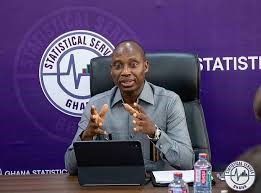
Ghana’s North East Region has emerged as the country’s poverty hotspot, with six districts from the region ranking as the poorest nationwide despite an overall decline in poverty levels across the country.
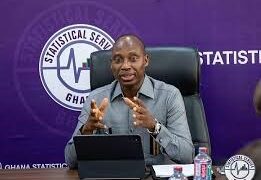
This was revealed in the latest district-level poverty estimates released by the Ghana Statistical Service, which paints a stark picture of widening inequality between parts of northern Ghana and more urbanised southern regions.
According to the report, Nassuam District recorded the highest poverty incidence in the country at 51.6 percent in 2025, while several other districts within the North East Region also featured prominently among Ghana’s most deprived areas.
The findings highlight the continued concentration of poverty in northern Ghana, particularly within the North East, Northern, Savannah, Oti, Upper East, Upper West and Bono East regions.


In contrast, Ayawaso North Municipal in the Greater Accra Region recorded the lowest poverty incidence nationwide at 5.5 percent, reflecting the significant gap in living conditions between rural and urban districts.
The Ghana Statistical Service explained that the estimates were produced using internationally recognised small area estimation techniques. The analysis combined data from the 2021 Population and Housing Census, household income and expenditure surveys conducted between 2022 and 2024, as well as the 2025 Labour Force Survey.
The report assessed poverty using 13 key wellbeing indicators and has been described by the statistical agency as the most detailed district-level poverty assessment ever undertaken in Ghana.
Despite the troubling regional disparities, the report also pointed to signs of national progress. Out of Ghana’s 261 districts, 250 recorded declines in multidimensional poverty between 2021 and 2025.
Several districts in the Ashanti and Upper West regions were identified as having made notable gains over the review period, with poverty levels dropping significantly.
However, the GSS cautioned that the pace of improvement remains uneven and warned that without targeted intervention, some regions risk being left behind in the country’s development agenda.
The statistical agency is therefore calling for sustained social protection programmes, strategic investment in deprived communities and stricter monitoring of development expenditure to bridge the growing inequality gap and promote inclusive national growth.