






France is facing its biggest wave of student protests in decades, with hundreds of schools disrupted and more than 5,000 people taken into police custody as demonstrations over conditions in the education system spread across the country.
The protests, which began at a high school north of Paris on September 21, have grown into a nationwide movement involving students, teachers and trade union representatives.
The unrest has resulted in injuries to students, teachers and police officers, while more than 100 high schools have reportedly been damaged.
Authorities estimated that about 256,000 people participated in demonstrations across France on Tuesday, including 56,000 in Paris. The Union Syndicale Lycéenne, one of the student organisations involved in organising the protests, put the nationwide turnout at about 450,000.
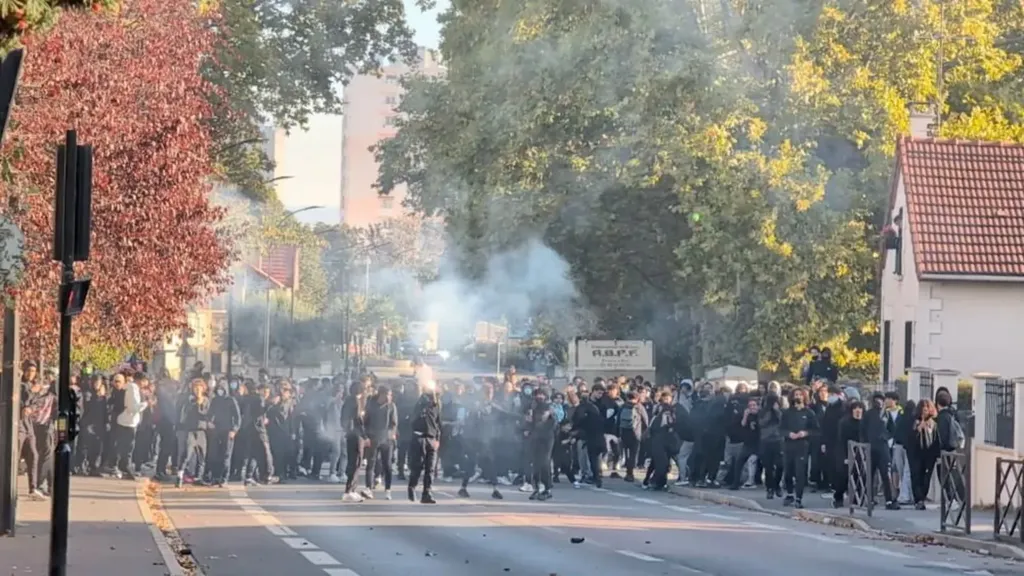
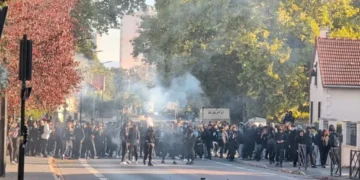
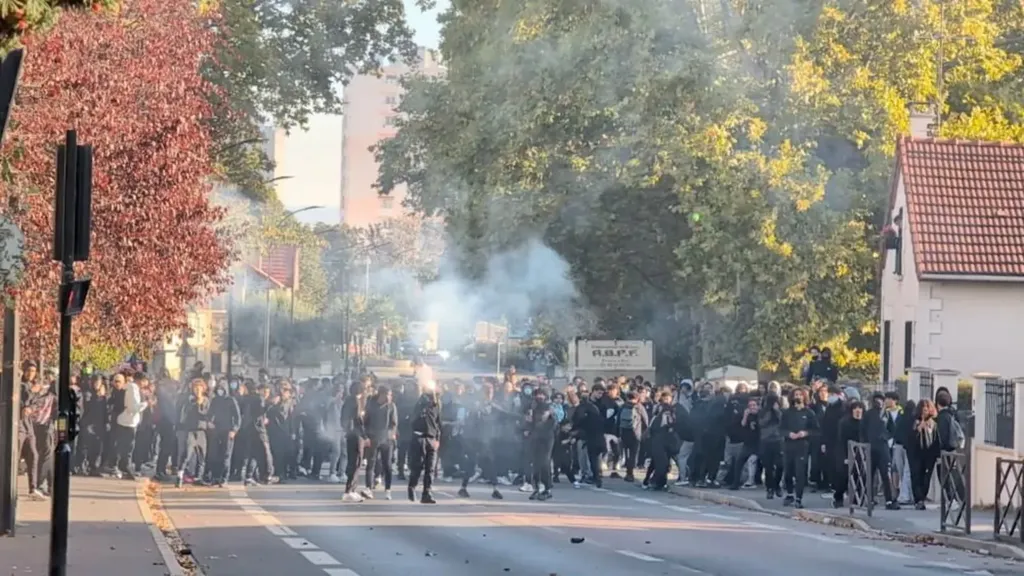
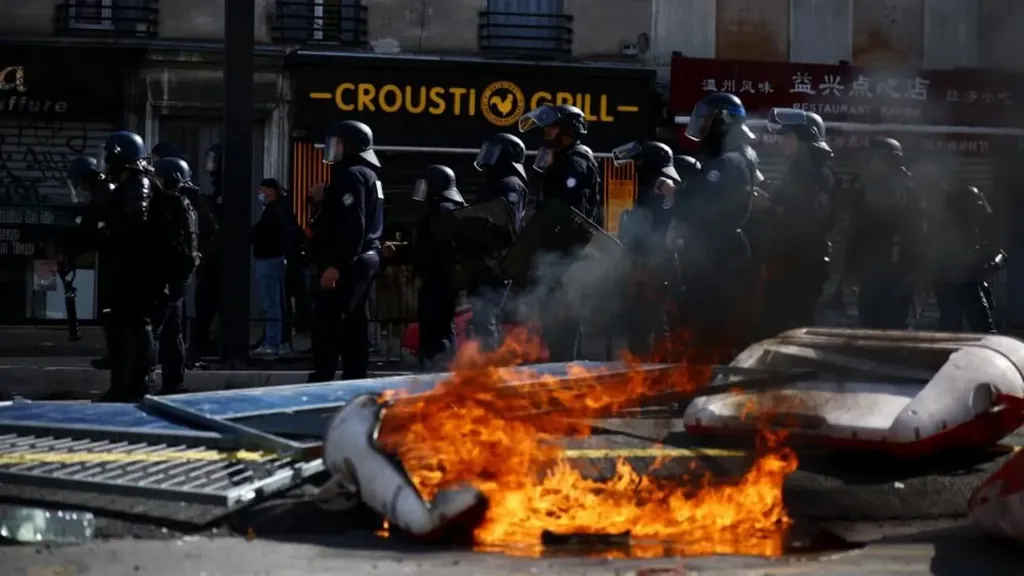
In Paris, riot police used tear gas as clashes broke out with some protesters, while bins, school furniture and other objects were set on fire.


How the protests started
The demonstrations began at Saint-Exupéry High School in a Paris suburb, where students joined teachers in demanding more staff and resources.
Although additional staff were eventually sent to the school and the initial strike ended, the protest quickly spread to other schools.
Student leader Manès Nadel described the growth of the movement as unprecedented.
“It’s an unprecedented number of schools that are now involved,” he said, accusing France’s Education Ministry of being “totally overwhelmed by the crisis.”
Students soon began blocking entrances to schools in Paris and surrounding areas, with similar protests later reported in cities including Lille, Marseille, Lyon and Tours.
The demonstrations have also raised concerns over the police response after footage emerged of clashes between officers and protesters.
Students cite worsening school conditions
At the heart of the protests are complaints about overcrowded classrooms, inadequate resources and staff shortages.
Students have for years reported situations in which classes are cancelled because absent teachers are not replaced, while some schools have struggled to provide enough desks and chairs.
A rise in the number of young people entering secondary schools following an increase in births in 2010 has added pressure to an education system that has experienced years of real-terms funding reductions.
Secondary schools now have fewer teachers than they did in 2008 despite having about 250,000 more students.
In the public sector, about 70% of classrooms have more than 30 students.
The protesters say their demands are focused on basic learning conditions rather than broader political issues.
Government under pressure
The French government has faced mounting pressure over its handling of the protests, particularly following a surge in violence late last week.
About 2,000 people were taken into custody in a single day as authorities warned that the unrest was shifting from student demonstrations towards wider urban violence.
Education Minister Edouard Geffray met student leaders on Friday, but the talks failed to produce an agreement. Student leaders subsequently called for a larger turnout for Tuesday’s demonstrations.
Prime Minister Sébastien Lecornu, addressing the National Assembly, condemned the violence.
“Extreme violence has reached the gates of our high schools and it must be condemned unequivocally,” he said.
Lecornu said 215 students and 85 education staff had been injured during the unrest, describing the number of injured education workers as the highest in decades.
He also rejected allegations that the government had instructed police to suppress the demonstrations.
The government has withdrawn planned 2027 fees for technological high schools following an earlier concession, but protesters say the broader response has failed to address their concerns.
“The government’s response has been irresponsible and it confirms exactly why the students are angry, because they are never heard,” Manès said. “They are responding only with repression.”
Unrest Adds Financial Pressure, Tests France’s Political Landscape Ahead of Election
The demonstrations have also become a political flashpoint, with the left-wing LFI party, led by Jean-Luc Mélenchon, defending the students’ right to protest and its own presence at demonstrations.
The government, meanwhile, is attempting to push through a 2027 budget aimed at reducing France’s deficit to around 5% of GDP, limiting the scope for increased spending on education.
The cost of damage caused by the protests in the greater Paris region alone has been estimated at €7 million ($7.84 million).
The unrest comes at a politically sensitive time for France, with the country preparing for a presidential election next spring.
Student protests have historically posed a major challenge to French governments. The demonstrations of May 1968 eventually developed into the largest general strike in the country’s history.
More than five decades later, the current protesters say their demands are considerably more basic: better-funded schools, adequate staffing and conditions that allow students to learn.
Source: CNN