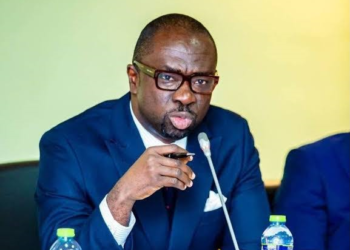







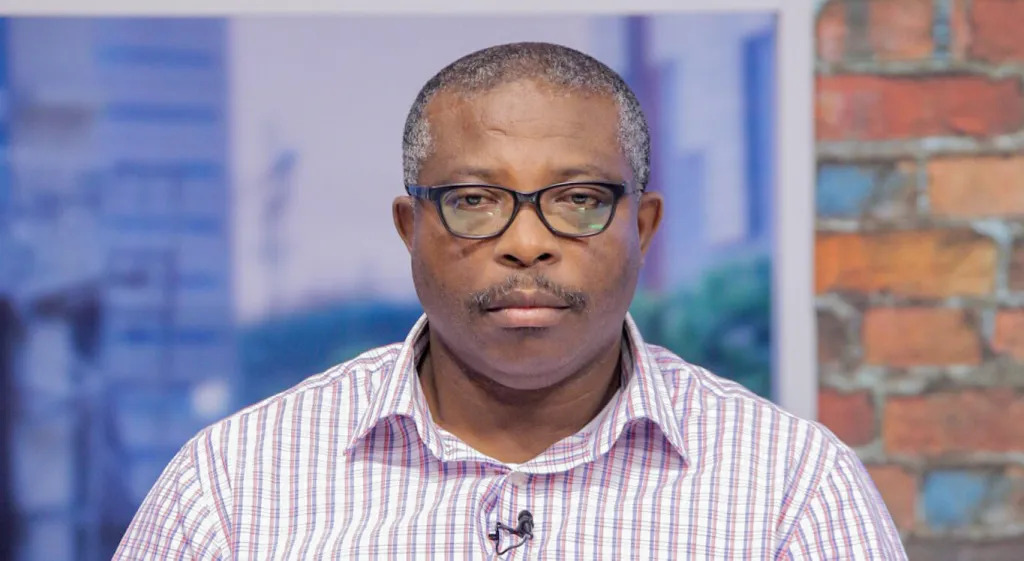
Private legal practitioner Alexander Abban has cast doubt on Ghana’s political commitment to tackling corruption, arguing that the problem is deeply rooted within the country’s electoral and governance processes.
Speaking in an interview on ABC In the Morning, Abban suggested that successive governments have shown limited genuine will to fight corruption, despite public pledges and policy pronouncements.
“Unfortunately, it doesn’t look like politically, successive governments want to really fight corruption,” he stated.
According to him, while political parties—particularly the New Patriotic Party (NPP)—may point to anti-corruption initiatives as evidence of fulfilling campaign promises, the broader political class has not demonstrated a consistent commitment to addressing the issue.
“In the case of NPP, most probably would say we’ve fulfilled a campaign promise, but as to whether the political class generally is desirous of fighting corruption, I don’t know,” he added.
Abban further argued that corruption is entrenched even before elected officials assume office, pointing to flaws in the electoral process itself.


“Even in the process of getting our people elected, the whole process is immersed in so much corruption. How do you think they will come to Parliament and do things differently?” he questioned.
He warned that unless systemic issues are addressed, efforts to build integrity in public office will remain ineffective.
“We’ve sown the seed of corruption from start to finish. How do you think we are going to raise men and women of integrity at the end of the process?” Abban said.
His remarks come amid ongoing national discussions about the office of the special prosecutor’s struggle for prosecutorial power and strengthening accountability institutions and restoring public trust in governance.