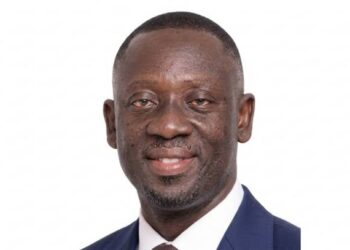







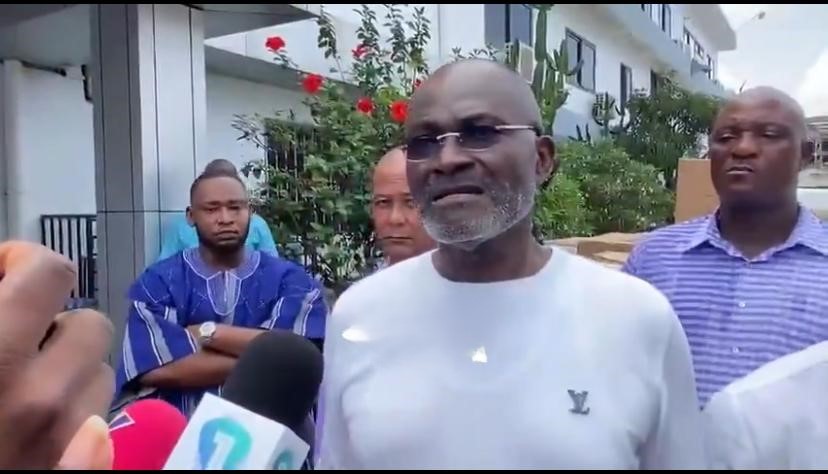
Former Assin Central MP and New Patriotic Party (NPP) flagbearer hopeful, Kennedy Agyapong, has openly acknowledged what he describes as a shared failure by both major political parties over the long-stalled Afari Military Hospital project in the Ashanti Region.
Agyapong, who is known for his blunt commentary on national issues, admitted that neither the NPP nor the ruling National Democratic Congress (NDC) can escape responsibility for the years-long delay in completing the facility.
The hospital, the Afari Military Hospital, has remained uncompleted despite successive governments promising to finish and operationalise it, making it a recurring subject of political debate.
Speaking on the issue, Agyapong did not spare his own party, conceding that its eight years in power did not result in the completion of the project.
“We were there for eight years and we didn’t do it,” he said, stressing what he described as a broader national failure rather than a partisan one.
He argued that the project had become unfairly politicised, with blame shifting between governments depending on who is in power at any given time.


“NDC started it. Why didn’t you complete it? You were there for eight years and didn’t complete it. When somebody comes for 15 months then you have a problem,” he added, questioning the consistency of criticism directed at the current administration.
Agyapong, who previously chaired Parliament’s Defence and Interior Committee, also revealed that attempts by the committee to inspect the facility during his tenure were unsuccessful, raising concerns about oversight and accountability in the project’s execution.
He further urged political actors to put national interest ahead of partisan battles and accept responsibility where necessary, regardless of party affiliation.
“We should criticise NPP and NDC. That’s the only way to go,” he said. “We should love our nation and stop playing politics with everything.”
The Afari Military Hospital project continues to attract public attention amid renewed scrutiny over delays, funding concerns, and repeated failures to complete the facility for public use.