








President John Dramani Mahama has commissioned a modern Positron Emission Tomography (PET) Scan facility at the Swedish Ghana Medical Centre, describing the development as a significant boost to Ghana’s specialist healthcare system.
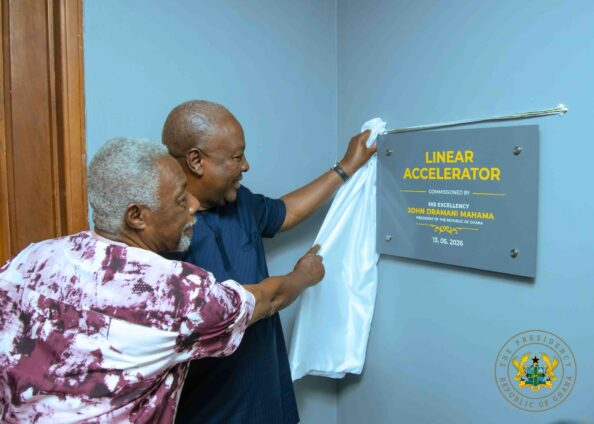
The newly inaugurated diagnostic centre, located in Accra, is expected to strengthen the country’s capacity for early detection and treatment of cancer and other critical illnesses, while reducing dependence on overseas medical referrals.
Addressing guests at the commissioning ceremony, President Mahama said the facility represents a major investment in advanced healthcare delivery and reflects Ghana’s growing efforts to improve access to quality medical services locally.
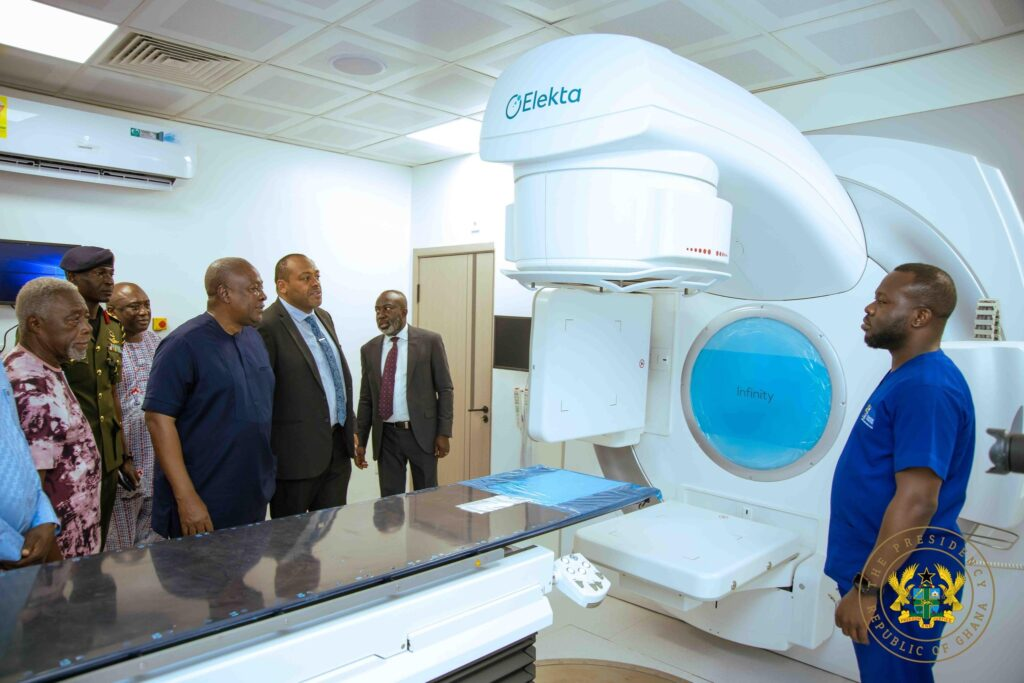
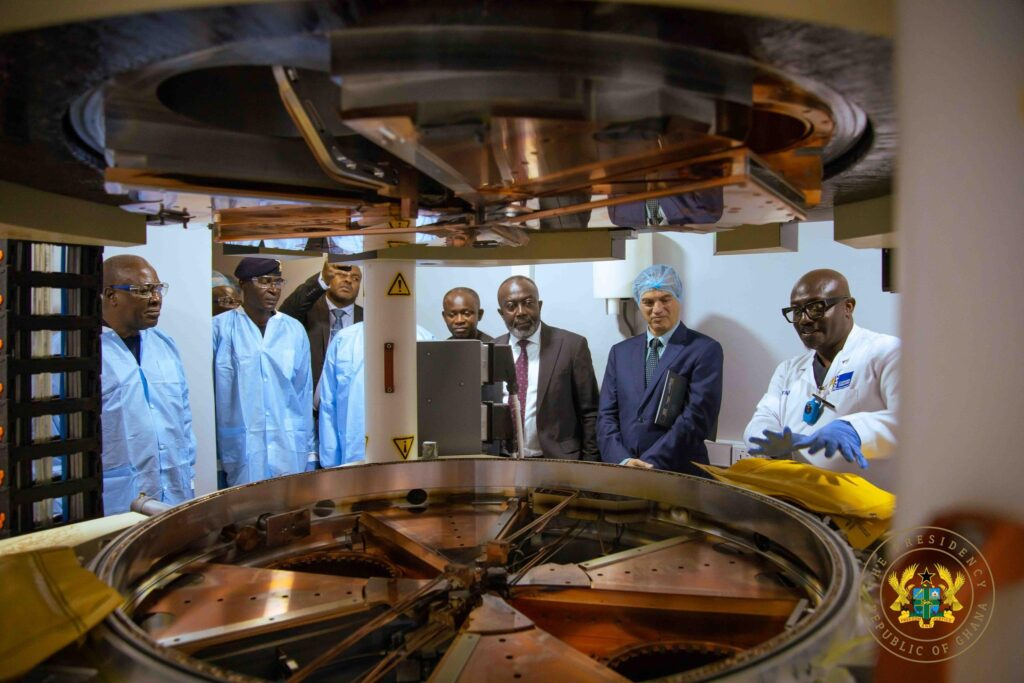
According to him, the introduction of PET Scan technology would help improve patient outcomes by enabling quicker and more accurate diagnosis of diseases, particularly cancers, which often require specialised imaging for effective treatment planning.
The President further noted that the facility could position Ghana as an emerging destination for medical care within the West African sub-region, attracting patients seeking specialised diagnostic services.
President Mahama also used the occasion to reaffirm the government’s commitment to strengthening healthcare infrastructure nationwide. He disclosed that plans are underway to construct additional regional hospitals and expand access to advanced medical technologies, including the installation of more CAT laboratories.


Beyond healthcare, the President outlined several social intervention projects being pursued by the government in the areas of housing and education. He referenced ongoing housing schemes targeted at teachers and reiterated government’s determination to eliminate the double-track system in senior high schools.
He revealed that the government’s $300 million STARR-J initiative is expected to fully address the double-track challenge by 2027.
President Mahama commended the Ghana National Association of Teachers and the management of the Swedish Ghana Medical Centre for their contribution to the country’s healthcare sector, describing the investment as forward-looking and beneficial to national development.
He stressed that improving healthcare delivery, enhancing teacher welfare, and ensuring access to quality education remain key priorities of his administration.