






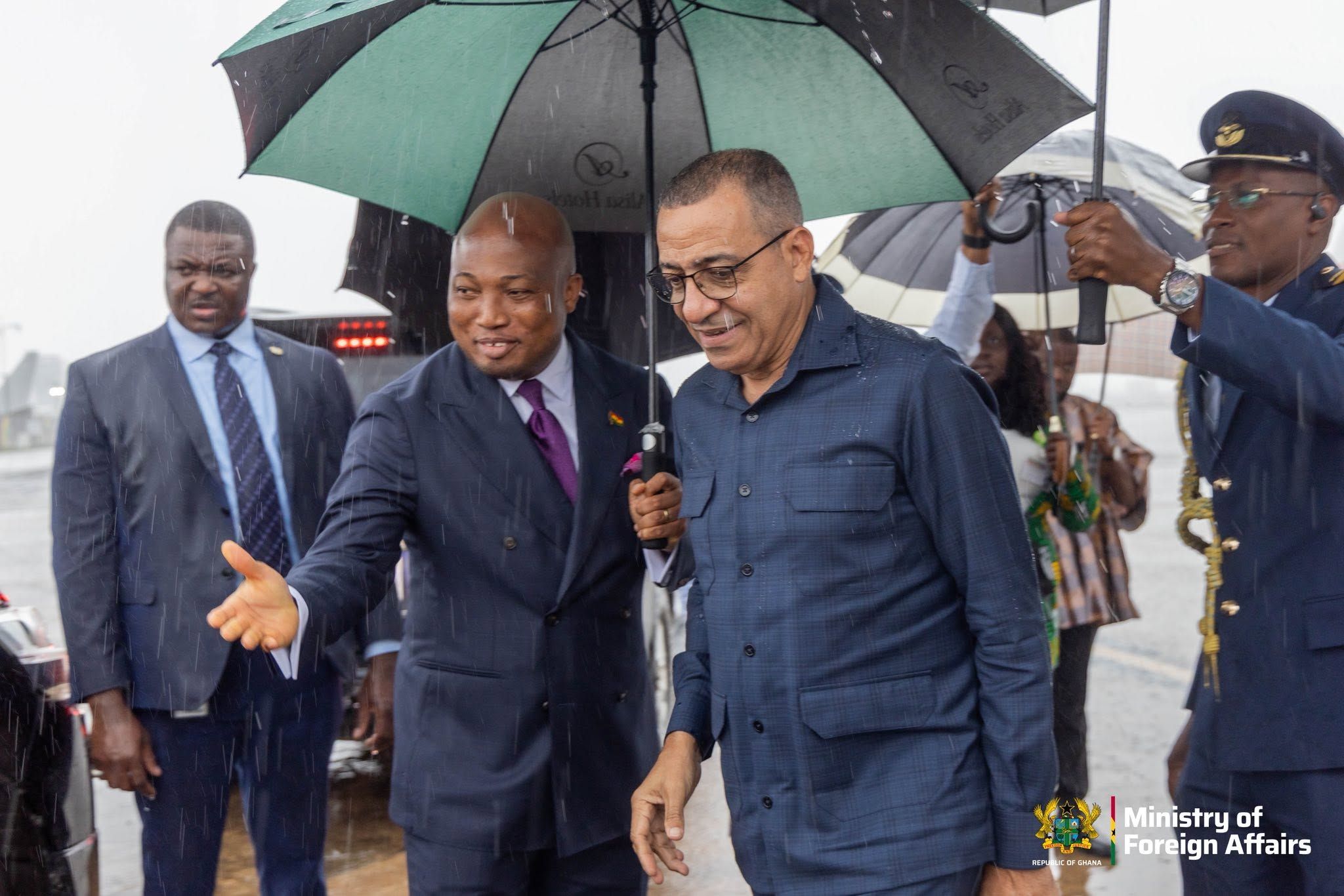
Accra is hosting a major international conference on reparatory justice this week as political leaders from more than 80 countries convene to advance global efforts aimed at addressing the legacy of the transatlantic slave trade.
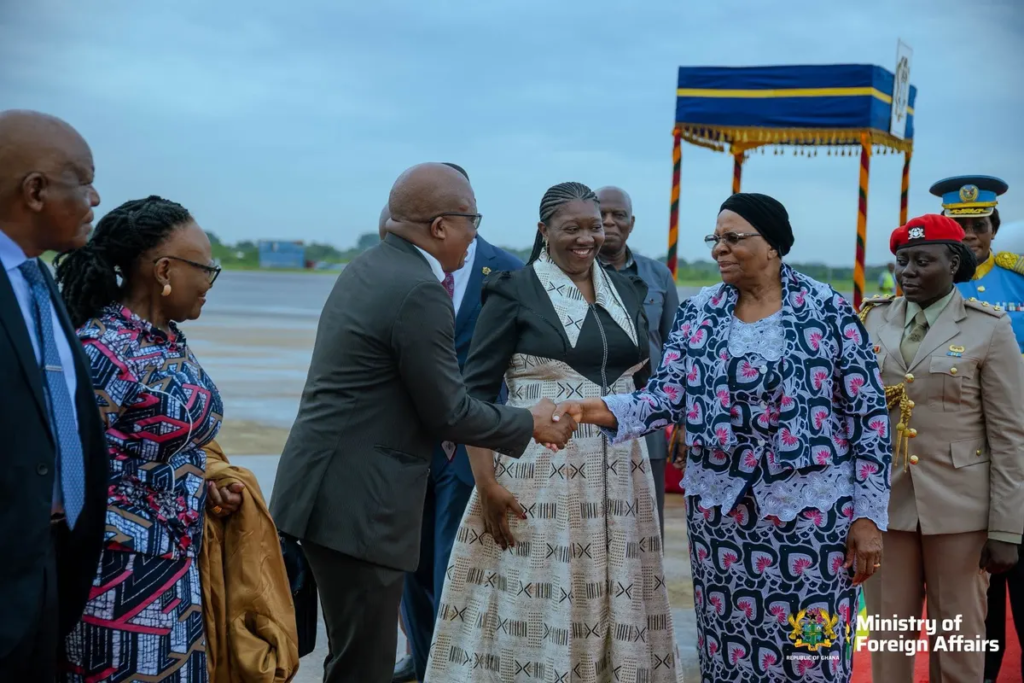
The three-day Next Steps Conference on Reparatory Justice, taking place from June 17 to June 19, 2026, was convened by President John Dramani Mahama and has attracted presidents, prime ministers, parliamentary leaders, ministers, academics, and advocates from across Africa, the Caribbean, the Americas, and other parts of the world.
Among the high-profile participants are the Presidents of Senegal, Namibia, Liberia, and São Tomé and Príncipe, Barbados Prime Minister Mia Mottley, Equatorial Guinea’s Vice Prime Minister, and the Speaker of Algeria’s Parliament. French President Emmanuel Macron is also expected to join the gathering.

The conference comes at a pivotal moment in the global reparations movement, following the adoption of United Nations Resolution A/RES/80/250 earlier this year. The resolution formally recognised transatlantic enslavement as the gravest crime against humanity, marking a significant milestone in international efforts to acknowledge the lasting impact of the slave trade and colonial exploitation.

Speaking ahead of the conference, Minister for Foreign Affairs Samuel Okudzeto Ablakwa said the meeting would serve as an important platform for developing a coordinated international response to the enduring consequences of transatlantic enslavement. Discussions are expected to focus on practical pathways toward reparatory justice and measures that can address historical injustices and their present-day effects.



The conference is bringing together policymakers, scholars, civil society actors, and government representatives to explore strategies for advancing restorative justice, strengthening international cooperation, and building consensus around reparations frameworks.
President Mahama is expected to use the summit to reinforce Ghana’s position as a leading advocate for reparatory justice and to encourage greater collaboration among nations seeking redress for the historical wrongs associated with the transatlantic slave trade.
Ghana’s role as host reflects its longstanding commitment to championing issues affecting Africa and the African diaspora, while promoting global recognition of the profound social, economic, and cultural consequences of centuries of enslavement.
Widely regarded as the most significant international gathering on reparatory justice since the passage of the UN resolution, the outcomes of the Accra conference are expected to influence future global advocacy efforts and shape the next phase of discussions on reparations and restorative justice.