






Cabinet has approved the immediate revocation of Executive Instrument (E.I.) 144, a move that will restore portions of the Achimota Forest Reserve that were previously removed from its protected status.
The decision effectively returns the affected lands to their original legal classification as part of the Achimota Forest Reserve, reversing changes introduced under the Executive Instrument issued in 2022.
E.I. 144, which took effect on May 1, 2022, provided for the excision of approximately 361.5 acres (about 146 hectares) of land from the forest reserve. The instrument included specific survey descriptions detailing the portions of land to be removed from the protected area.
The move sparked significant public debate, with environmental groups, civil society organisations and sections of the public raising concerns that the change could expose the forest to commercial and residential development.
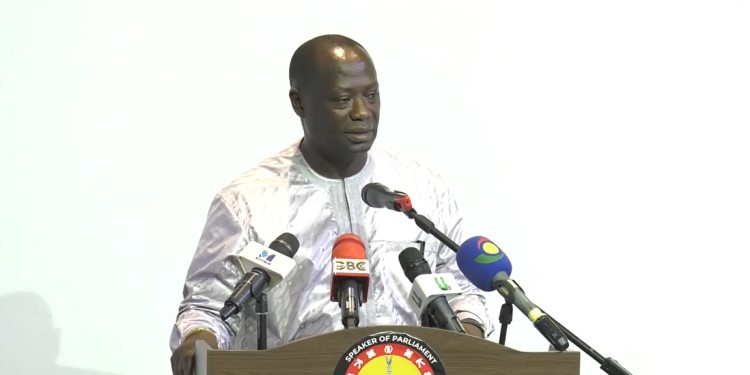
Addressing the issue during the Government Accountability Series, Minister for Lands and Natural Resources, Emmanuel Armah-Kofi Buah, announced Cabinet’s decision, stating that the government remains committed to preserving the Achimota Forest for future generations.
He said the revocation of E.I. 144, together with its amendment under E.I. 234, reflects government’s determination to protect the ecological importance of the forest and maintain its role in sustaining Accra’s environmental balance.


According to the minister, the reversal means all lands affected by the previous Executive Instrument will return to their former status as protected forest land.
“The government’s position is clear: we must protect the Achimota Forest because of its environmental value and its contribution to the well-being of communities within Accra and beyond,” he said.
The Achimota Forest is considered one of Greater Accra’s key urban green spaces, providing benefits including carbon storage, improved air quality, biodiversity protection and climate regulation.
The forest also serves as a recreational area for residents and remains a critical ecological buffer within Ghana’s rapidly developing capital.