






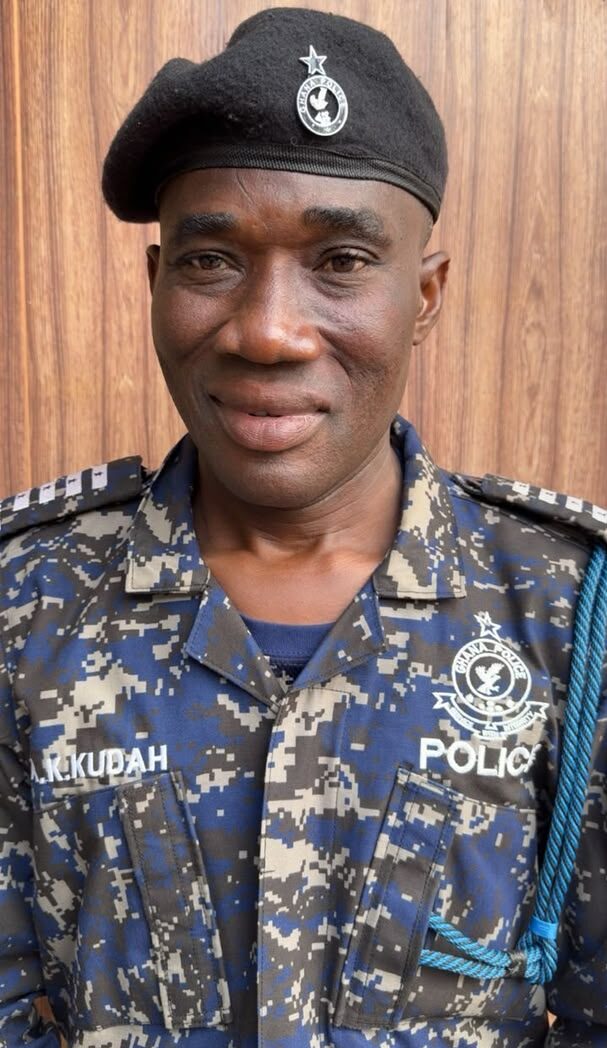
In Ashaiman, one of Greater Accra’s densely populated and crime-prone communities, Chief Inspector Kofi Ambrose Kudah has earned a reputation for going beyond routine policing to improve public safety and the working conditions of his colleagues.
From helping to secure funding for a new police station to responding to robbery incidents and establishing another station at Katamanso, his career has been marked by a commitment to serving the public.
Stationed at Ashaiman Tulaku, Chief Inspector Kudah has spent much of his career addressing the practical challenges facing frontline officers, often seeking solutions beyond the resources available to him.
For years, officers in the area operated from modest facilities shared with the Motor Transport and Traffic Directorate (MTTD), an arrangement that highlighted the need for improved infrastructure.
Rather than accept the situation, Kudah approached Mudashco Enterprise, a local steel and building materials company, to seek support for a new police station.


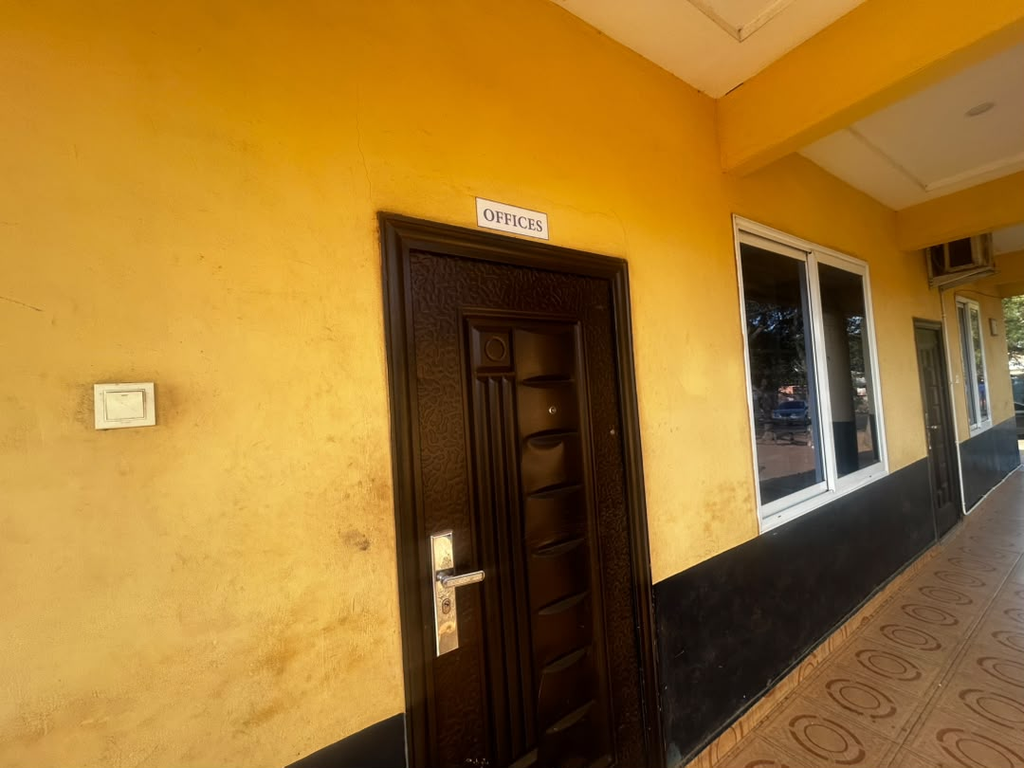
Israel, an employee of the late chief executive of the company, Mudashiru Alhassan, said his former employer agreed to finance the project as part of the company’s corporate social responsibility.
“The idea came from Chief Inspector Kudah, and my boss accepted that as his corporate social responsibility, funding the project entirely until its completion,” he said.
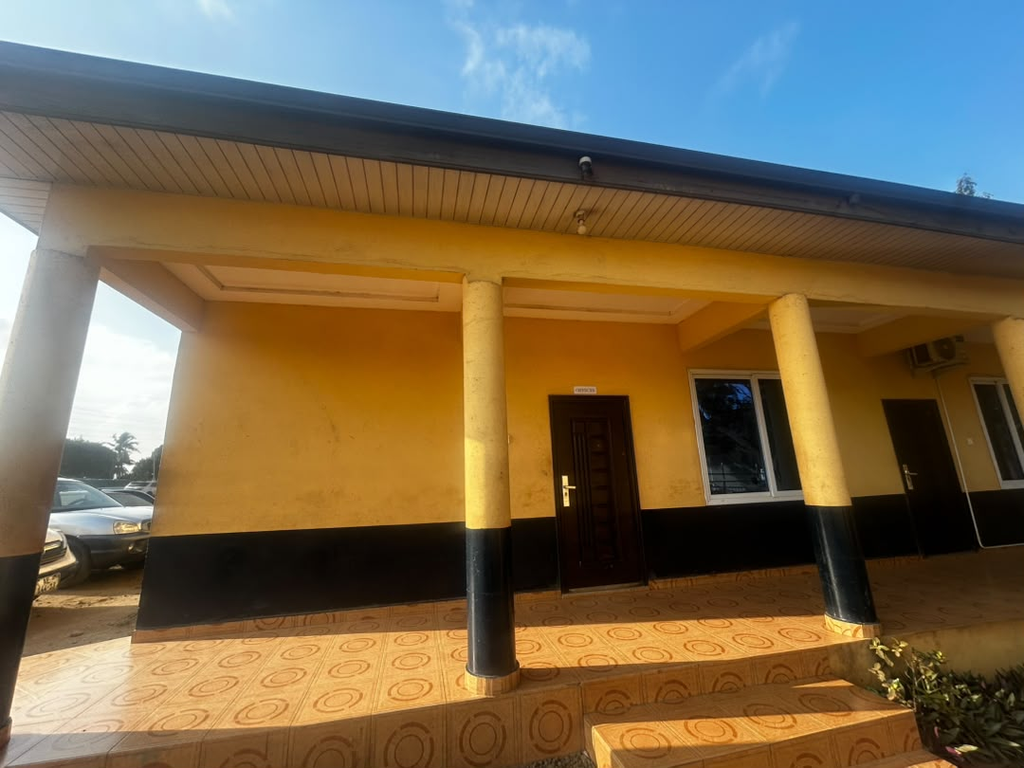
Kudah also sourced air-conditioning units to improve conditions for officers working at the station.
For those who have witnessed his work, such efforts reflect an officer whose commitment extends beyond fighting crime to creating an environment in which the police can serve more effectively.
“You can only admire his passion for his work. I wish all policemen were as diligent and professional as him,” said Joseph Terkpertey, a former resident of Ashaiman.
On the frontline against crime
Improving police infrastructure is only one aspect of Kudah’s work. Residents also point to his visibility and willingness to respond to emergencies as evidence of his commitment to keeping the community safe.
Terkpertey recalled contacting the officer during an active robbery, saying Kudah responded swiftly to help address the situation.
His account reflects the importance residents place on accessible and responsive policing, particularly in communities where officers are often required to act quickly under difficult circumstances.
But Kudah’s approach to law enforcement has also brought him into conflict with colleagues.
In 2023, he intercepted and confiscated 16 sacks of compressed cannabis, which he subsequently transferred to the district police station.
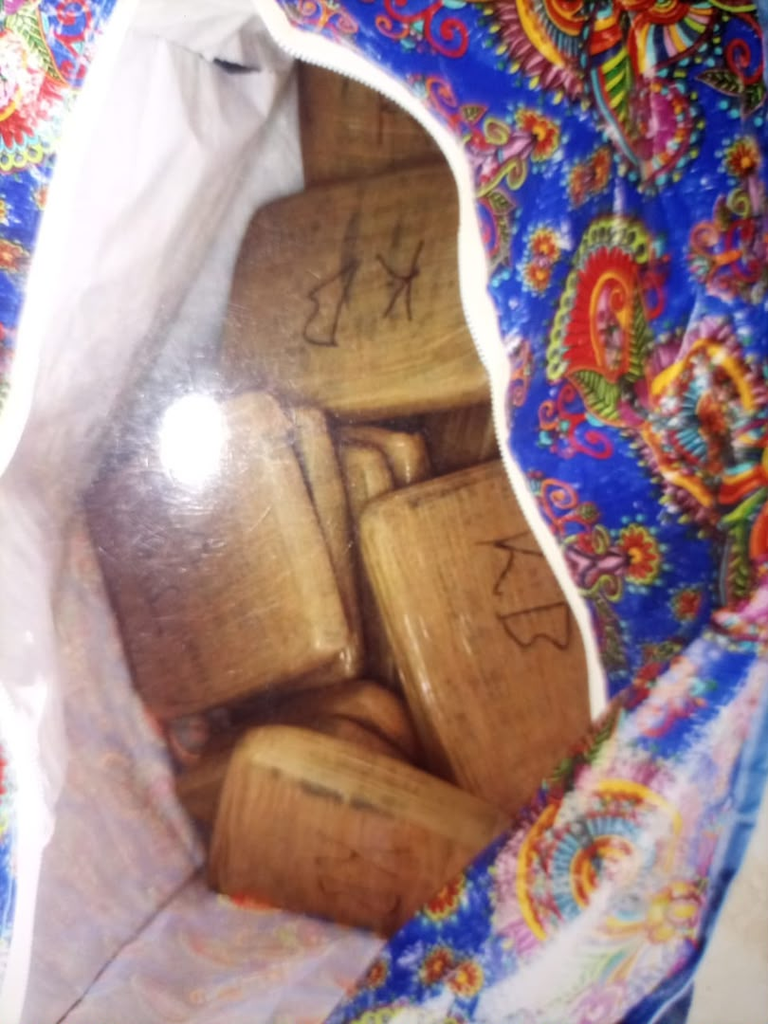
He later discovered that the consignment had been burnt without his knowledge and, he says, without the necessary regulatory approvals.
After raising questions through official communications to senior command, Kudah says he faced resistance and false accusations from colleagues before being transferred out of the unit.
The circumstances surrounding the destruction of the drugs and the subsequent allegations have not been independently established for this report.
Building a legacy of service
Despite the difficulties, Kudah’s commitment to policing has remained unchanged.
He spent four years helping to establish and develop the Katamanso Police Station before returning to Ashaiman Tulaku, where he continues to serve.
Having joined the Ghana Police Service in 1999, he has spent more than two decades in a profession he describes not simply as a job, but as a calling.
For Kudah, the measure of his work lies not in personal recognition or material reward, but in what remains for the communities he serves.
“I am not bothered. I was born to be a police officer, and I am proud to be serving my motherland,” he said.
“I know very well that when I leave, I will not take anything with me. I do all this for the future.”
His story highlights a dimension of policing that extends beyond arrests and crime statistics, reflecting the determination of individual officers to strengthen the institutions they serve and leave their communities better equipped for the future.
By: Dennis Osei Gyamfi