







The Majority Caucus in Parliament has defended the Bank of Ghana over its reported GH¢15.6 billion operating cost for 2025, insisting that the expenditure does not affect the central bank’s core mandate of regulating Ghana’s economy.
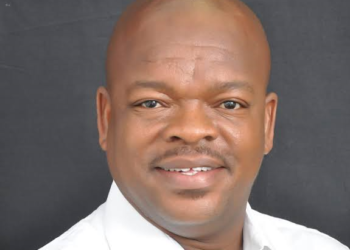
Addressing a press conference in Accra on Thursday, the Member of Parliament for Sagnarigu, Issah Atta, stated that the authority of the central bank is grounded in law and not determined by the strength of its balance sheet.
According to him, central banks across the world have recorded losses while still maintaining effective control over inflation and economic stability.
He cited the European Central Bank, which reported losses in 2023 and 2024, as well as the Federal Reserve System in the United States, which has faced continuous income shortfalls since September 2022.
The MP also referenced the Czech National Bank, noting that it operated with negative equity for 17 consecutive years while remaining one of Europe’s most credible financial institutions.
“Bringing inflation down costs the Central Bank money. It is the same situation everywhere; Ghana is not an outlier,” he stated. Despite the high operating cost, the Majority Caucus said the Bank of Ghana has shown strong financial resilience and improved policy performance.
According to the caucus, the bank’s policy position improved significantly from about GH¢700 million to GH¢5.5 billion, demonstrating its ability to generate enough income to support macroeconomic stability.
The funds, they explained, have been used to anchor inflation, stabilise the Ghana Cedi, and restore policy solvency.


The Majority further disclosed that the 2025 financial statements of the Bank of Ghana were prepared in line with International Financial Reporting Standards (IFRS) and independently audited.
The statements are expected to be presented to Parliament when the House resumes sitting.
Meanwhile, Hon. Issah Atta stated that the financial results released reflect the work required to restore the country’s economic stability. According to him, the necessary measures have been implemented, resulting in lower inflation, a stronger cedi, declining lending rates, reduced public debt, and economic growth.
He added that confidence has returned to the economy and the institutions responsible for maintaining stability remain sound and fully capable of carrying out their mandate.