






Iran has announced that the Strait of Hormuz is “completely open” to commercial shipping, offering a measure of stability to global energy markets even as diplomatic efforts to end the ongoing conflict intensify.
In a statement shared on Friday, Iranian Foreign Minister Abbas Araghchi said, “In line with the ceasefire in Lebanon, the passage for all commercial vessels through Strait of Hormuz is declared completely open for the remaining period of ceasefire.” He added that vessel movement would follow designated routes coordinated by Iran’s Ports and Maritime Organisation.
The announcement follows a 10-day ceasefire agreement between Israel and Lebanon reached late Thursday, although uncertainty remains over whether Hezbollah will fully adhere to the truce.
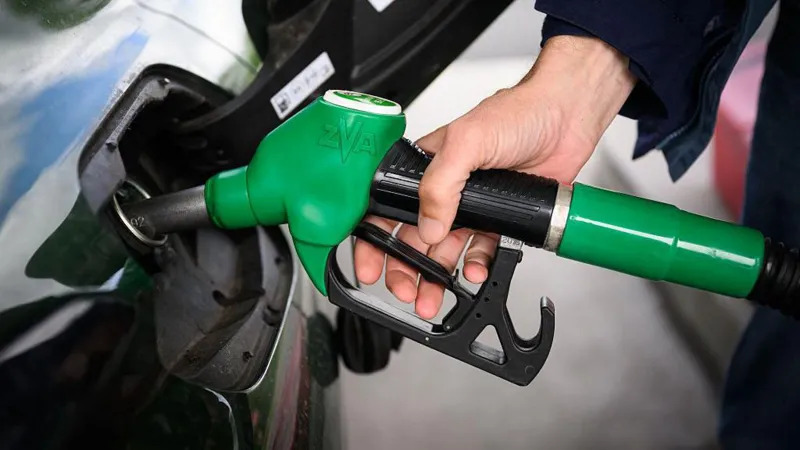
Global oil markets reacted swiftly to the development. Brent crude prices fell sharply to $87.94 per barrel, while US crude dropped to $83.33, reflecting reduced fears of supply disruptions from one of the world’s most critical maritime chokepoints.
Before the conflict, Brent crude was trading at under $70 per barrel. It rose above $100 before reaching a peak of more than $119 per barrel in March.
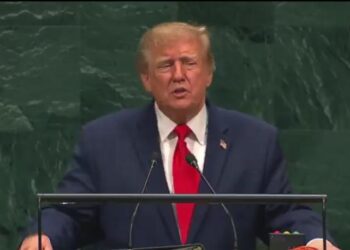
United States President Donald Trump also weighed in, confirming via social media that the strait was “completely open and ready for business and full passage.” However, he maintained that the US naval blockade targeting Iran would remain in place until a broader agreement is reached to end hostilities.
In a separate post, Trump claimed that Iran had committed to “never close the Strait of Hormuz again”, adding, “It will no longer be used as a weapon against the World!”
Despite the reopening, Iranian authorities indicated restrictions would still apply. A senior military official stated that only non-military vessels would be permitted to transit the strait, subject to approval by the Islamic Revolutionary Guard Corps Navy.
The Strait of Hormuz, through which roughly a fifth of global oil and liquefied natural gas supplies pass, has been a focal point of tensions since the outbreak of the US-Israel war on Iran on February 28. The conflict has claimed more than 3,000 lives and previously saw Iran halt maritime traffic through the corridor.
While the reopening signals de-escalation, pressure from Washington remains firm. Reporting from the US capital, analysts note that the naval blockade is being used as leverage to push Iran towards concessions, particularly regarding its nuclear programme.
Trump underscored that point, suggesting progress in negotiations. Speaking to international media, he said there were “no sticking points” remaining and that a deal to end the war was “very close.” He also stated that the US intends to recover Iran’s enriched uranium as part of any agreement, declaring, “The U.S.A. will get all Nuclear ‘Dust,’ created by our great B2 Bombers – No money will exchange hands in any way, shape, or form.”
However, Iran has pushed back on claims of any such arrangement. State media outlet Mizan reported that “No negotiation regarding the transfer of Iran’s highly enriched uranium to America had ever taken place, and naturally, there is no agreement on this matter, either.”
Meanwhile, developments on the Lebanon front remain fragile. Trump asserted that Israel had been barred from launching further strikes, stating, “Israel will not be bombing Lebanon any longer. They are PROHIBITED from doing so by the U.S.A. Enough is enough!!!”
As diplomatic manoeuvring continues, the reopening of the Strait of Hormuz offers temporary relief to global markets, but the broader conflict—and the negotiations surrounding it—remain ongoing.


Source: Al Jazeera