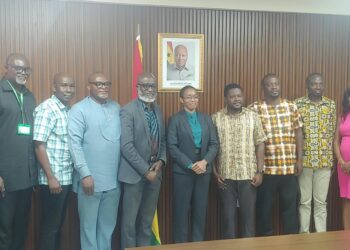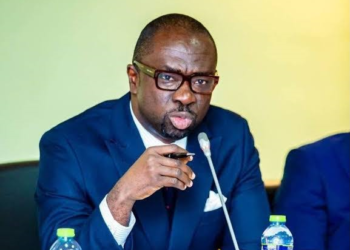








President John Dramani Mahama has nominated public finance expert Pamela Graham as Ghana’s next Auditor-General, in a move that signals a renewed push to strengthen accountability and public financial management.
The nomination has been formally communicated to the Council of State by the Secretary to the President in line with Article 70(1)(b) of the 1992 Constitution. The advisory body is expected to review the submission and provide its recommendations before a final appointment is made.
Sources familiar with the process describe the decision as deliberate and reform-focused, with the Presidency reportedly intent on restoring public confidence in key financial oversight institutions.
“This is not just a routine appointment,” one senior government official, who spoke on condition of anonymity, said. “There is a clear expectation that the next Auditor-General will be proactive, independent and firm in enforcing accountability across the public sector.”
Another source within the economic management team said Graham’s nomination reflects the administration’s broader push to deepen reforms in public finance management.
“The President wants someone who understands both the technical and institutional challenges in public finance,” the source said. “There is a strong emphasis on credibility and reform-oriented leadership.”
According to sources, Graham brings extensive experience in auditing, public financial management, and institutional governance, and is widely regarded for her professional integrity.


The Auditor-General’s role remains one of the most critical constitutional offices, responsible for auditing public accounts and ensuring compliance with financial regulations across state institutions. Observers say the position has gained even greater importance amid ongoing efforts to improve fiscal discipline and transparency.
Graham’s curriculum vitae has already been submitted for review as part of the formal appointment process.
If approved by the Council of State, she will take on the responsibility at a time when public scrutiny of government spending and accountability remains particularly high.